U.S. Men's National Team Prepares for World Cup Opener Against Paraguay
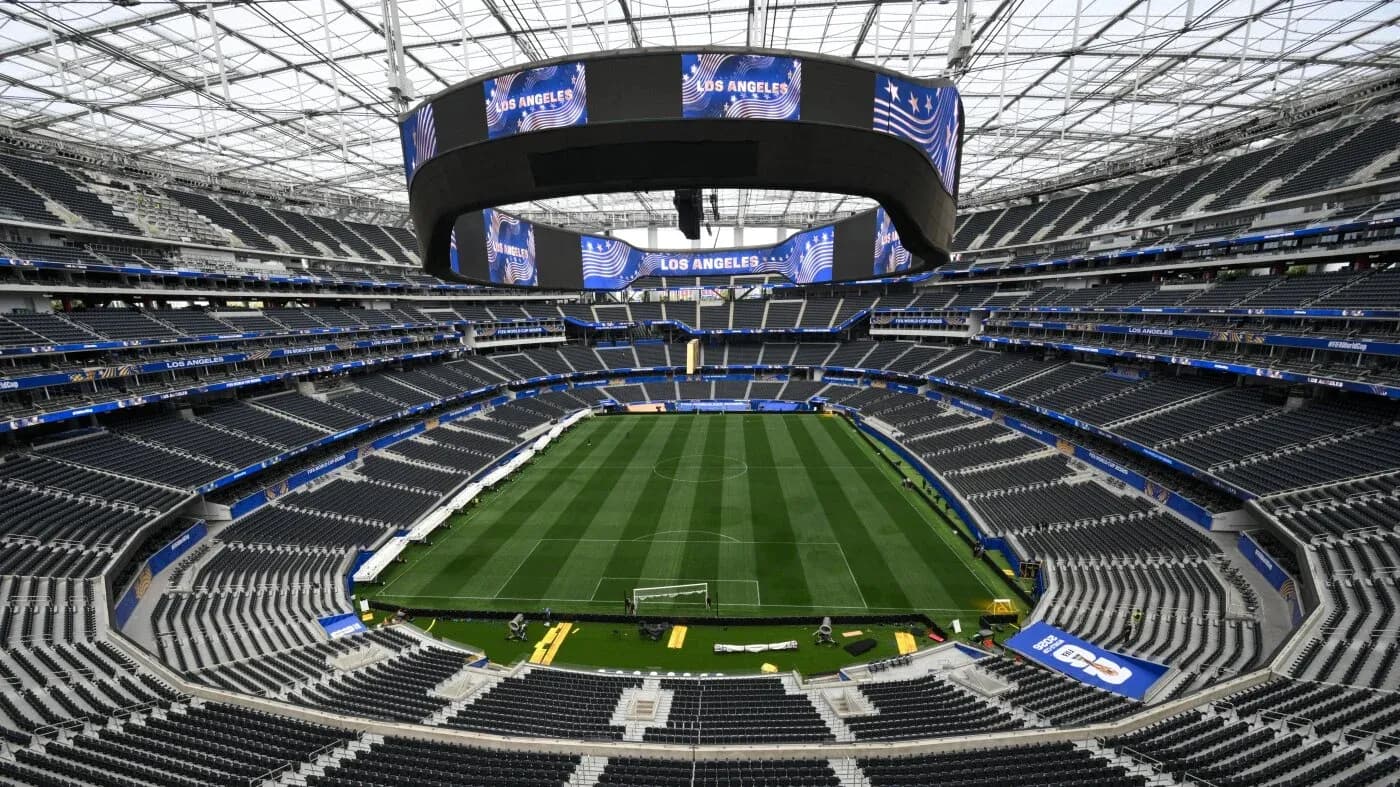
INGLEWOOD, Calif. — The World Cup is back in the United States, and this time there’s nowhere to hide.
On Friday night in Southern California, the U.S. men’s national team walks into a moment it has been chasing, planning for, and talking about for nearly a decade: a home World Cup opener, under the lights, against Paraguay. It is the first World Cup match on American soil since 1994. It feels heavier than that. This is not just a tournament; it is a referendum on everything U.S. Soccer has tried to build.
For years, the conversation around the U.S. at World Cups has circled the same themes: plucky, organized, awkward to play against, but rarely truly feared. The quarterfinal run in 2002 remains the modern high-water mark. Since then, just three wins across all World Cups. Flashes of progress, followed by hard ceilings.
Now comes a different kind of test. The U.S. is not stumbling into this World Cup; it has been circling 2026 in red ink for years. The federation has built toward this cycle, banking on a golden generation maturing just as the world arrives on its doorstep. The question is no longer whether the U.S. belongs at this level. It’s whether it can finally look like it owns the stage.
For once, the roster backs up the ambition.
This is the first U.S. team whose core players don’t just visit Europe — they live there, week after week, in the sharpest end of the sport. Tyler Adams, Chris Richards and Antonee Robinson are entrenched in the Premier League. Weston McKennie has fought his way into the heart of Juventus. Christian Pulisic, once the teenage hope of an anxious soccer nation, is now 27 and carrying the No. 10 shirt for AC Milan, a star in one of the game’s historic cathedrals.
“This is for me the biggest opportunity to grow the game, to inspire people, to show that American players are at the level of the rest of the world,” Adams said Thursday. It didn’t sound like a sales pitch. It sounded like a mission statement.
First, though, comes a bruising reality check.
Paraguay arrives ranked No. 40 in the world, a team that usually prefers the role of spoiler to showpiece. The U.S. knows better than to read too much into rankings. The last time these sides met, in a feisty friendly last November, the Americans edged a 2-1 win, a game that descended into a stoppage-time scuffle and left a clear impression: Paraguay will not tiptoe into challenges.
“We know that they’re gonna be super, super aggressive, so we’re going to have to match that. We saw that the last time we played them,” U.S. forward Tim Weah said. The message was simple — expect a fight before you expect a football match.
Paraguay’s plans have already taken a hit. Their brightest young talent, 22-year-old midfielder Julio Enciso, was stretchered off during the first half of their final warm-up game last week. His availability for the opener is in serious doubt. For a side that leans heavily on his creativity and energy between the lines, that’s a significant blow.
Still, no one inside the U.S. camp is treating this as a gift. A home World Cup opener brings its own weight. The pressure to start fast, to justify the hype, to prove that all those nights watching European club games with American starters were building to something tangible — it all lands on this first whistle.
And this is only the beginning.
After Paraguay, the U.S. faces Australia next week, a team that relishes upsetting hosts, then closes the group on June 25 against Turkey, a side capable of swinging from chaos to brilliance in the space of 10 minutes. It is a group with traps everywhere, but also a clear path: handle your business early, and the knockout rounds open up.
So the stage is set in Inglewood. A home World Cup, a generation in its prime, a nation waiting to see if the promise matches the platform. For three decades, the U.S. has chased the rest of the world.
Now the world has come to America. What happens if the U.S. finally looks ready to lead?