USA vs Belgium: Tactical Showdown in World Cup 1/8 Final
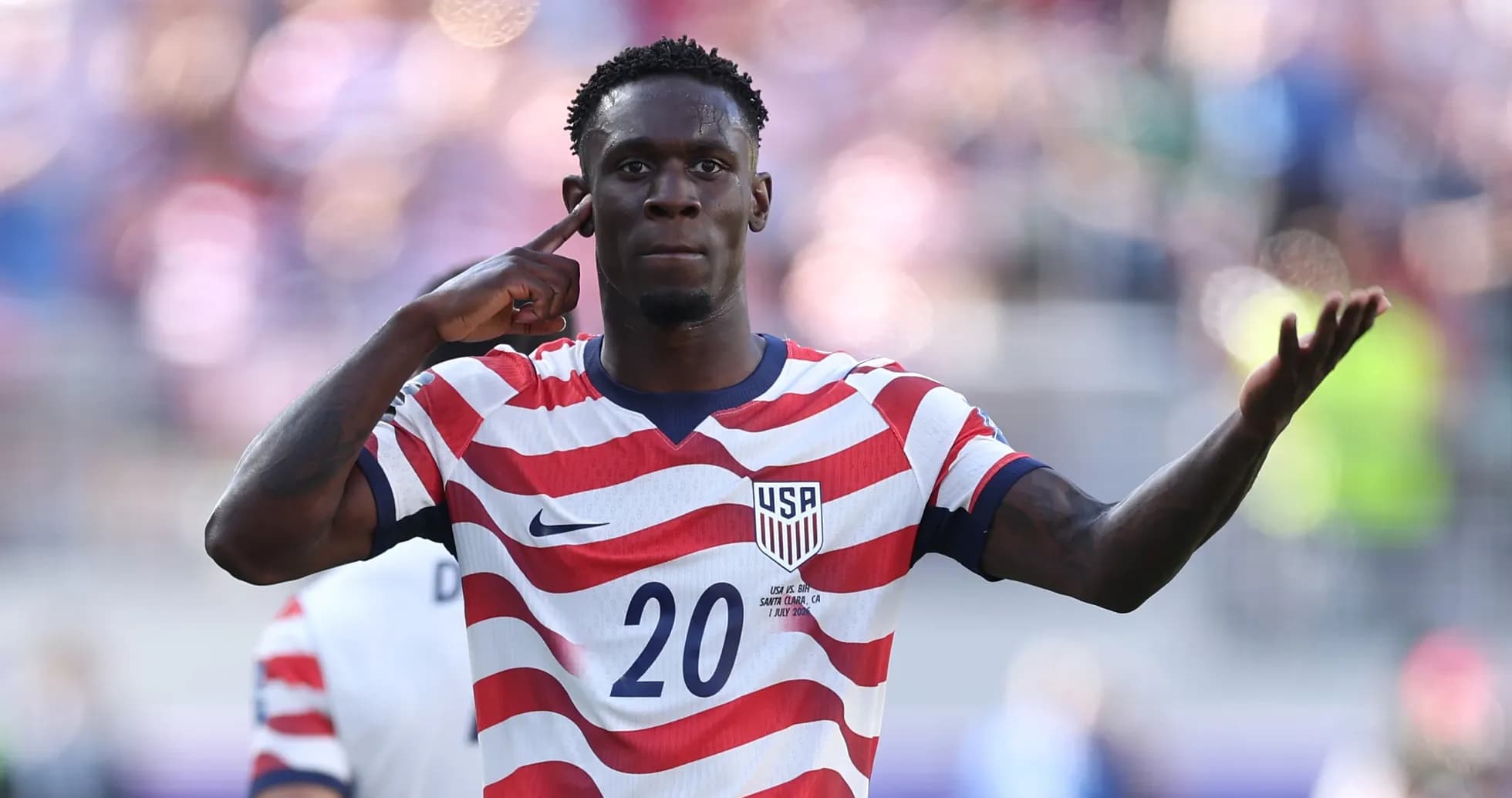
A high-stakes World Cup 1/8 final at Lumen Field pits group winners USA against fellow group winners Belgium, with both sides coming off strong group stages and knowing that defeat here instantly ends their 2026 campaign and reshapes their cycle plans.
Head-to-Head Tactical Summary
The most recent meeting came on 28 March 2026 in a Friendly International at Mercedes-Benz Stadium in Atlanta, where USA hosted Belgium. USA led 1-1 at half-time (1-1), but Belgium overpowered them after the break to win 5-2. That game underlined Belgium’s capacity to punish transitions and sustain attacking pressure away from home.
Their last World Cup clash was on 1 July 2014 in a Round of 16 tie at Itaipava Arena Fonte Nova in Salvador, where Belgium were the home side and USA the away team. The match finished 0-0 in regular time before Belgium edged it 2-1 after extra time. That encounter showed Belgium’s ability to create volume over 120 minutes while USA stayed competitive through defensive organisation and counter-attacks.
Across these two knockout-style contests (one literal, one friendly but high-profile), Belgium have consistently found a way to impose themselves late in games, while USA have relied on resilience and direct threat but struggled to contain Belgium’s sustained attacking waves over 90–120 minutes.
Global Season Picture
- League Phase Performance: In the group stage, USA topped Group D with 6 points, scoring 8 goals and conceding 4 across 3 matches, reflecting a proactive, high-output attack and a defense that still allows chances. Belgium led Group G with 5 points, scoring 6 and conceding 2 in their 3 games, pointing to a more controlled balance between attack and defensive stability.
- Season Metrics: Across all competitions, USA have played 4 matches, winning 3 and losing 1, with 10 goals scored and 4 conceded. Their attacking output is aggressive (2.5 goals per game on average), but the defensive line can be exposed away from their primary base (3 goals conceded in their single away match). Discipline is a concern: yellow cards are spread across game phases, with notable spikes between minutes 16–30 and 46–60, plus a red card between 61–75, indicating potential vulnerability to suspensions and in-game disruption. Belgium, also across all competitions, are unbeaten in 4 matches (2 wins, 2 draws), scoring 9 and conceding 4. Their attack is flexible, with a big away win (5 goals scored) and a solid home scoring base, while defensively they hold opponents to around 1 goal per game. Their card profile shows early and mid-second-half yellow cards, and a red card between 61–75, suggesting that intensity in the middle third of matches can boil over.
- Form Trajectory: In the group stage, USA’s form string of WLWW shows a bounce-back mentality: an early setback followed by two straight wins, indicating upward momentum and confidence heading into the knockouts. Belgium’s WWDD sequence shows a fast start with back-to-back wins followed by two draws, suggesting they began strongly and then shifted into more controlled, risk-managed performances once qualification looked secure. USA arrive with a sharper recent surge; Belgium arrive with a longer unbeaten rhythm but slightly flatter results curve.
Tactical Efficiency
With USA’s group-stage numbers (8 goals for, 4 against in 3 matches) and their wider 10-for, 4-against profile across all competitions, their game model is clearly front-foot: they accept defensive risk to generate high shot volumes and goal opportunities. The card distribution, including a red in the 61–75 window, reinforces that their intensity can spill into over-aggression when defending transitions or protecting leads.
Belgium’s 6 goals scored and only 2 conceded in the group stage, combined with 9 for and 4 against across all competitions, point to a more efficient, balanced structure. They score at a slightly lower raw rate than USA but concede significantly fewer goals in the group context, indicating a defense-first refinement layered with selective attacking surges. Their biggest away win (1-5) shows they can explode offensively when space is available, which is particularly relevant against an expansive USA side.
In comparative terms, USA’s attacking efficiency is high-volume and momentum-driven, but their defensive phase is more fragile under sustained pressure. Belgium’s attack/defense balance is more measured: they maintain a stable defensive block while choosing their moments to overload, which historically has troubled USA in both the 2014 World Cup and the March 2026 friendly. In a knockout setting, that efficiency tilt slightly favors Belgium’s capacity to control game states over 90 minutes or more, especially if USA’s discipline issues reappear.
The Verdict: Seasonal Impact
This 1/8 final is a hinge moment for both national projects. For USA, elimination here would stall the narrative built by topping Group D with 8 goals scored, recasting their 2026 as a positive but ultimately unfulfilled campaign and raising questions about defensive robustness and in-game discipline at the highest knockout level. Progress, by contrast, would validate their attacking-first identity, mark a tangible step beyond the Round of 16 barrier that stopped them against Belgium in 2014, and strengthen the case for continuity in this tactical blueprint through the next cycle.
For Belgium, going out after leading Group G with just 2 goals conceded would be framed as underachievement for a side that has already shown they can dominate USA in recent meetings. A loss would accelerate debates about whether their current core can still convert control into deep-tournament runs. A win, however, would confirm that their more balanced, controlled approach remains effective in knockout football, set up a credible push toward the 1/4 final and beyond, and sustain their status as a benchmark side in global tournaments.
Structurally, this result will not alter a league table, but it will redefine the trajectory of both programs: USA are chasing a statement breakthrough that proves their high-intensity style can survive elite knockout pressure, while Belgium are under pressure to turn group-stage efficiency and historical head-to-head superiority into a deep World Cup run rather than another early knockout exit.