USMNT Faces Australia: A Must-Win Match
The United States walk into this one with expectation, not hope. After dismantling Paraguay, anything less than a win over Australia would feel like a jarring step backward for a USMNT that suddenly looks built for something bigger than just getting out of a group.
The mood around the camp reflects that. The performances have raised the bar. So have the stakes.
A game the U.S. should own – but might have to suffer for
On paper, this is a match the Americans should control. They were “simply too good” against Paraguay, dominant in every phase, and if they hit anything close to that level again, this should be manageable. That’s the expectation from inside and out: the U.S. have more talent, more depth, and more ways to hurt you.
But no one around this team is pretending it will be a stroll.
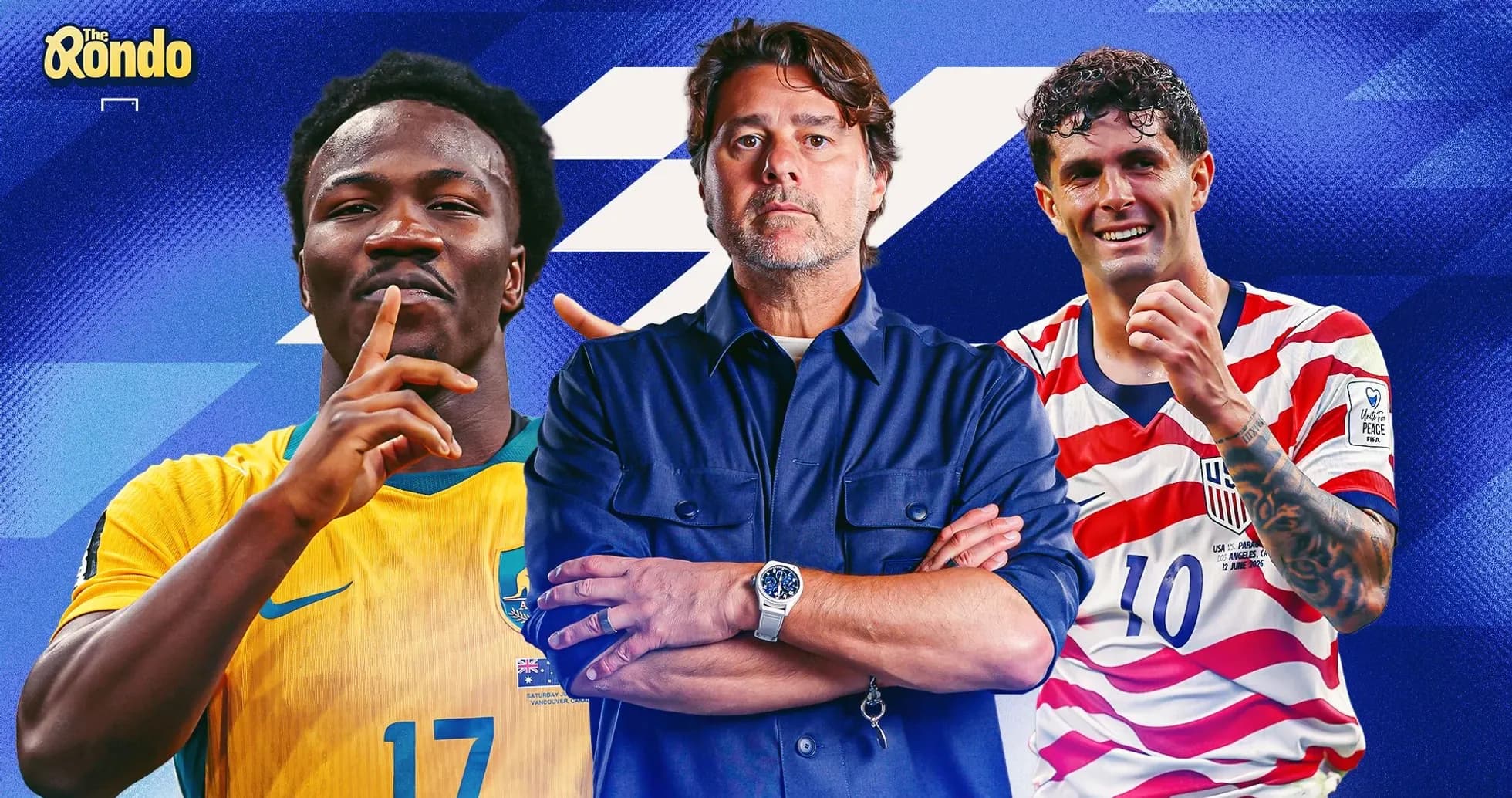
Australia will make it ugly if they can. Physical, tight, stop-start. A match decided not by structure, but by moments. That’s where the U.S. believe they have the edge: gamechangers. Nestory Irankunda has already shown he can be one for Australia, exploding into life against Turkey. The Americans, though, have several players capable of flipping a match in a heartbeat. In a knockout-style contest dressed up as a group game, that matters.
The danger for the U.S. is complacency. Turkey learned the hard way. The sense in the American camp is that lesson has already been absorbed. They don’t plan on being the next favorite to get ambushed.
The Pulisic problem: risk, reward and a nervous sideline
All of that confidence comes with a sizeable asterisk: Christian Pulisic.
“Losing your best player ain’t good” is the blunt reality. For this USMNT, it’s more than that. Pulisic is the hub of almost everything they do in the final third. He’s the one who breaks structure, who beats a man, who turns safe possession into panic in the opposition box. Without him, the U.S. are not the same side.
Mauricio Pochettino now faces the kind of decision that shapes tournaments. Does he roll the dice and start his star, try to secure the win early and then protect him later? Or does he take the long view, bench him, and trust the squad to get the job done without their talisman?
Inside the camp, there’s a clear understanding of what’s at stake. Sergiño Dest was asked who, after himself, is the best American at beating a defender one-on-one. He didn’t hesitate: Pulisic. The opening goal in the last match underlined it. One burst, one moment of individual quality, and the game changed.
If he can’t go, someone else has to make defenders uncomfortable. Someone else has to be the one who breaks the line when the match tightens and the space shrinks. That’s the part that has people concerned.
Long term, the anxiety runs deeper. There’s a sense this U.S. team might be on the verge of something special in this tournament. That requires their best player on the pitch, not wrapped in cotton wool on the bench.
Australia’s wild card: Irankunda’s pace vs a vulnerable back line
This Australia isn’t packed with Premier League names, and that can lead to them being dismissed too quickly. It’s a mistake. The squad might lack big-club gloss, but it doesn’t lack threat.
Nestory Irankunda is the obvious headline. A livewire from the left, he will give Dest a full 90 minutes of work. The U.S. back line has shown cracks in recent months, and one trait keeps popping up: they can be beaten by pace.
That’s where Irankunda becomes a problem. Put him in a foot race with Tim Ream and there’s only one outcome. Chris Richards is coming off an ankle injury. The fullbacks love to bomb on. Every time they do, space opens behind them, and Irankunda is exactly the sort of player who can rip through it.
If he breaks out here, it won’t be subtle. It will be sudden, and it will be devastating.
Behind him, Mathew Ryan offers Australia something just as valuable in a tight game: experience. The veteran keeper has seen most of what this sport can throw at you at club and international level. Matt Freese barely had a glove dirtied against Paraguay. Ryan will not be so idle. If this turns into a grind, where one save changes everything, the Australian captain could tilt the balance.
U.S. match-winners: Balogun, Tillman and the weight of responsibility
For the U.S., this is a day for difference-makers.
Australia are likely to sit in a back five, dig in, and dare the Americans to find a way through. That kind of setup puts enormous pressure on the U.S. attackers. Pulisic is the obvious answer, if fit. But there are others who need to step into the spotlight.
Malik Tillman is at the front of that queue. His off-ball work against Paraguay was “elite” – pressing, covering, linking. On the ball, he left more on the table. The sense is that Pochettino might have unlocked something new by using the Leverkusen man as a No. 8 rather than a classic No. 10. If Tillman can add a goal or an assist to that industry, it could transform his role in this tournament and give the U.S. a new attacking dimension.
Then there’s Folarin Balogun. Paraguay offered space; Australia probably won’t. This is where a No. 9 earns his reputation. If Pulisic is limited or absent, Balogun becomes the focal point, the one asked to shoulder the attacking burden. He can do it by scoring himself or by dragging defenders into places they don’t want to go and bringing teammates into play. In a cramped game, those little combinations around the box can be decisive.
If the U.S. are serious about winning this group, those two can’t just be passengers. They have to be protagonists.
The cost of failure
So what if it goes wrong?
From a pure numbers perspective, a defeat wouldn’t be fatal. You can sometimes escape a group with three points. But tournaments aren’t just about math. They’re about momentum and matchups.
Drop this one and topping the group becomes very difficult. That opens the door to a potential clash with Argentina later on – the kind of collision you usually try to delay for as long as possible. It also drags tension into the final group game, when the U.S. would much rather be rotating and recharging than scrambling for survival.
There’s a wider context, too. For two decades, the USMNT have flirted with the idea of a “next step” without ever really stamping their authority on a major tournament. Promising cycles have been undercut by stumbles at the very moment the program seemed ready to climb.
This time, there’s more on the line. U.S. Soccer has invested heavily in Pochettino and in this generation. Winning the group isn’t just a box to tick; it’s a statement that the money, the planning, the patience are paying off.
Australia will test that resolve. They’ll test the back line with Irankunda’s pace, test the U.S. attack without Pulisic at full tilt, test the composure of a team that suddenly has expectations instead of excuses.
Get it done here, and the path ahead opens up. Slip, and the old questions about this team’s ceiling come roaring back.