World Cup Drama Unfolds Into Controversy, Leaving FIFA Facing Tough Questions
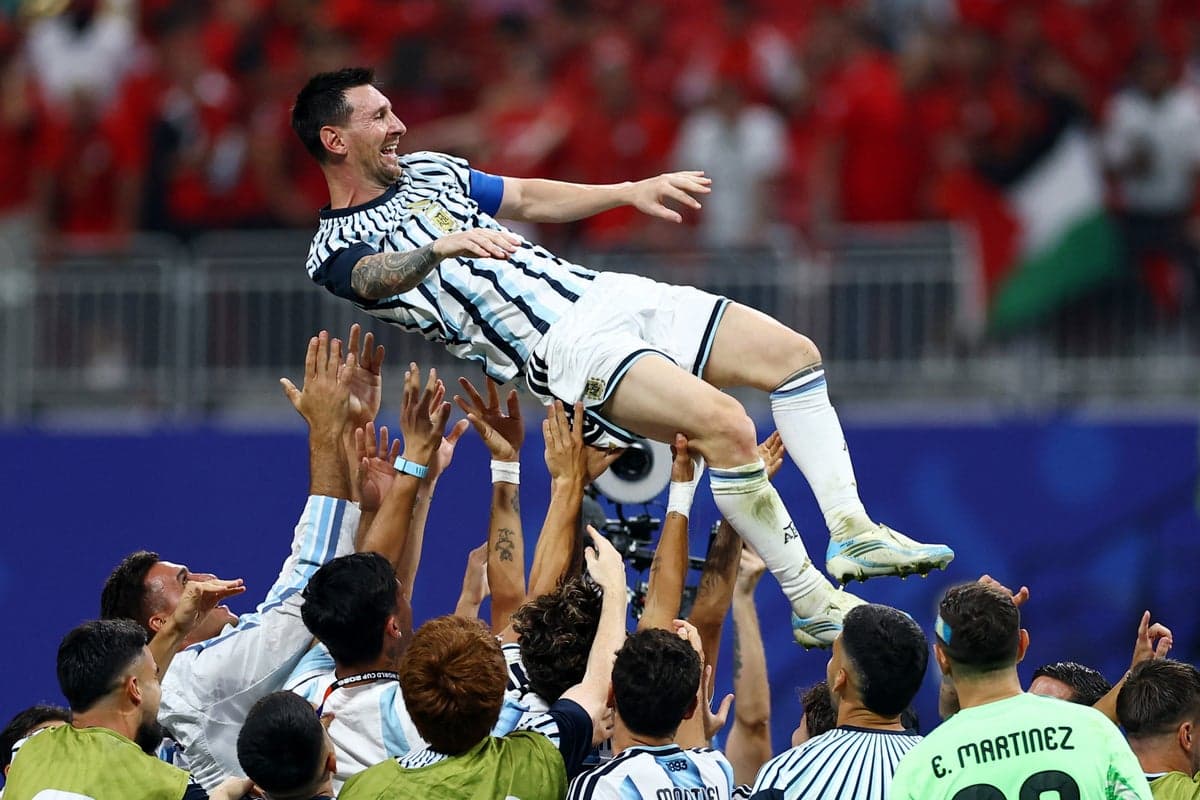
As Lionel Messi was lifted by his Argentina teammates following their win over Egypt, emotions ran high across the tournament. The scene felt like something out of a film, with the passionate cheers of Argentina's fans adding to the atmosphere. Moments like these have defined this World Cup, filled with intense highs and lows that tug at every emotion.
Messi and his manager, Lionel Scaloni, were visibly moved after the victory. Scaloni admitted, "I can’t look at you, I’m too emotional. What a group of players, my brother, that’s all… I can’t." This match held special weight for Messi, possibly marking his final World Cup appearance, while Scaloni was defending his title as the reigning World Cup-winning coach.
Argentina has long been known for their emotional intensity in the tournament, but now that passion is spreading to other teams. England, for instance, has experienced its own rollercoaster, with none of the usual calm progress seen in past tournaments like West Germany in 1990 or Brazil in 2002.
More Goals, More Passion
The last 16 stage has been lively, with 23 goals scored compared to just 15 in 2006. The style of play seems less constrained by club tactics and more driven by the significance of representing their countries. Games feel like true national events, marked by open play and heightened emotions.
Matches such as Mexico's 2-3 loss to England and Argentina's thrilling performances have added to what might be considered a golden era for the World Cup’s on-field spectacle.
Controversies Cast Shadows
Not all moments have been uplifting. The controversy surrounding Folarin Balogun revealed a darker side, though the player himself was not involved in any wrongdoing. Egypt's coach, Hossam Hassan, openly expressed frustration after their defeat to Argentina, saying his team faced injustice.
"It’s all about money," Hassan claimed. "They want Messi to stay in the tournament. In football, many things happen off the pitch because of interests. What happened was unfair. Egypt deserved to qualify. We were the better team."
He added that Egypt had suffered unfair treatment and declared he would no longer watch the tournament.
This sentiment echoes among some European clubs, who find certain decisions unsettling, especially when refereeing appears inconsistent. For example, Mostafa Ziko’s disallowed goal raised eyebrows because the foul was minor and far from the action, contrasting with the otherwise light touch officiating throughout the competition.
The reality might be simple refereeing inconsistency, complicated by officials coming from different countries with varied interpretations. Such erratic calls are part of the sport’s nature, yet they fuel doubts when paired with external controversies.
Political Turmoil Heightens Suspicion
FIFA’s predicament worsened with the Donald Trump incident overshadowing the tournament. People now wonder what else might be influenced behind the scenes. Every close call involving big names risks being viewed as scripted, like a staged drama. While the idea is absurd, it has gained traction online, with memes comparing the event to professional wrestling.
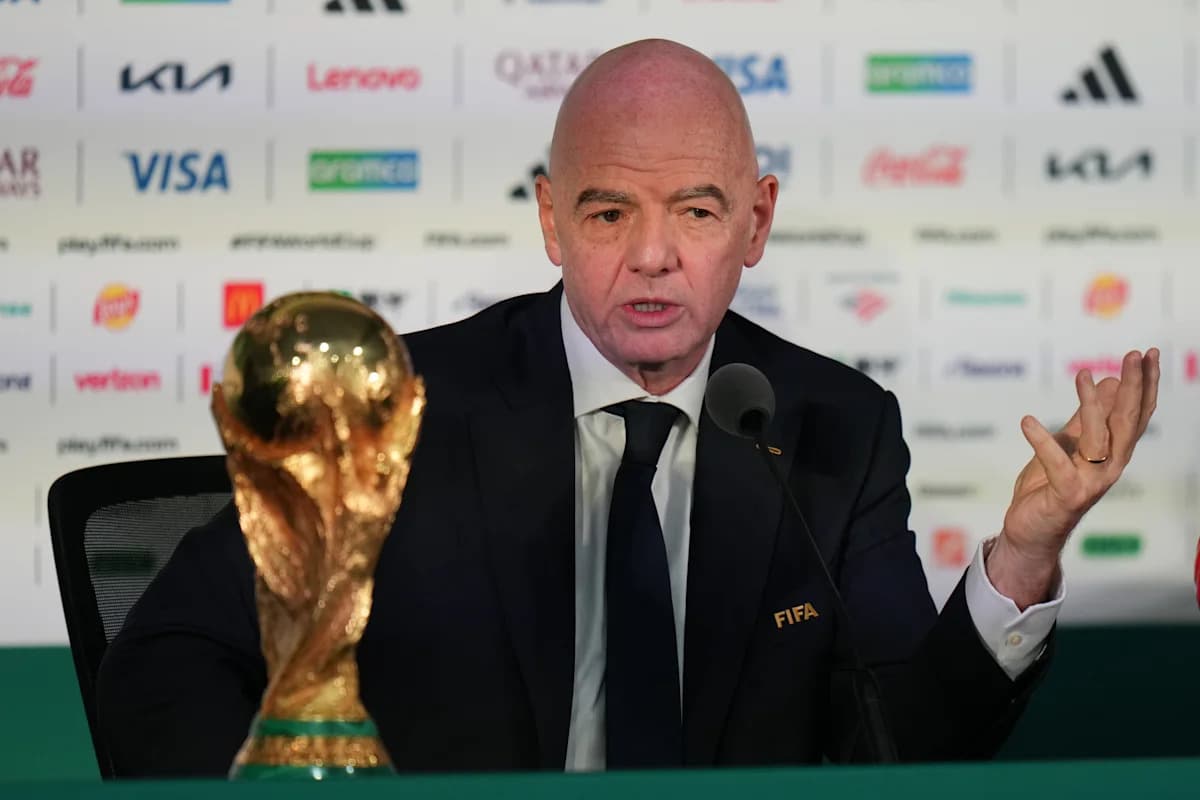
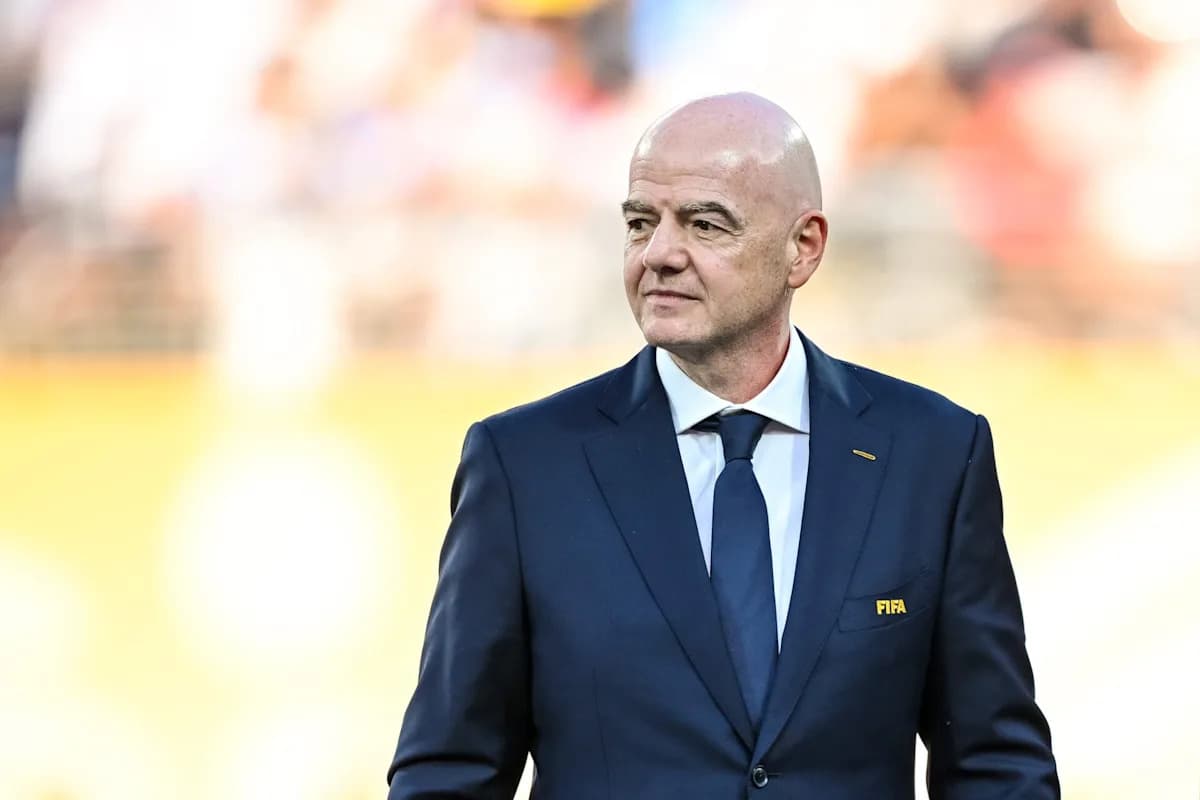
This growing suspicion is difficult to ignore. FIFA President Gianni Infantino has even faced calls to resign amid the turmoil. The Premier League has grappled with similar accusations of corruption, which fuels legal battles and public distrust.
FIFA finds itself in a crisis of legitimacy. It’s a harsh irony since the football itself has been authentic and emotionally powerful, giving the tournament a genuine feel despite the off-field issues.
Financial Influence Shapes the Competition
Looking at the quarter-final lineup reveals another layer. Six of the eight teams—France, Spain, England, Switzerland, Belgium, and Norway—are wealthy Western European nations. Meanwhile, the US debate over high youth fees highlights a contrast in development models.
These European countries have perfected coaching systems, creating pipelines of talent unlike the US, which often views player development through short-term financial gains. Morocco stands out as an exception, their rise tied to a state-backed sports initiative similar to Hungary’s approach under Viktor Orban.
FIFA does redistribute wealth globally, led by campaigns like those initiated by Arsene Wenger aiming to raise standards worldwide. Yet this redistribution also plays into political dynamics, becoming a double-edged sword that complicates the landscape.
The whole situation feels like political satire, making the World Cup's theatrical nature all the more fitting.