World Cup 2026: The Intersection of Football and Betting
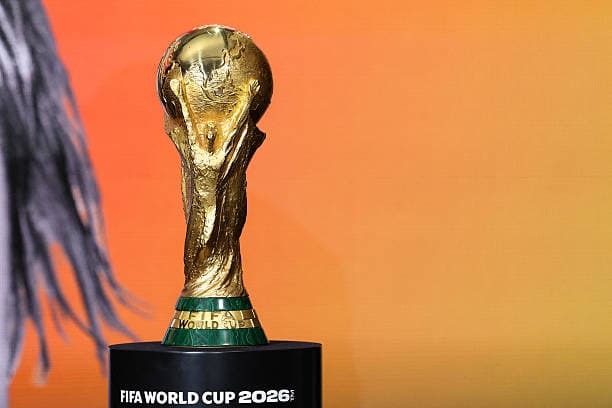
The 2026 FIFA World Cup will not just be the largest tournament in football history. It will be the most heavily bet-on sporting event the game has ever seen.
FIFA’s decision to stretch the competition to 104 matches across the United States, Canada and Mexico has blown the doors off the traditional World Cup rhythm. More games, more kickoff windows, more broadcast hours. That means more space for bookmakers, sponsors, streaming platforms and data providers to plug into the spectacle and keep fans locked in from breakfast to midnight.
This isn’t just a football festival. It’s a live, global betting marketplace wrapped around the sport’s biggest stage.
From Kickoff to Cash-Out: How Mobile Betting Took Over Matchday
For many fans, watching a World Cup game in 2026 will start with a tap on a phone, not the sound of a national anthem.
Mobile betting now sits at the heart of football culture. Odds move with every injury update, every leaked lineup, every tactical hint from a pre-match press conference. Supporters scroll through markets as naturally as they check team news. They don’t just see a fixture; they see a board of prices constantly shifting with the flow of information.
Once the whistle goes, the pace only accelerates. A goal, a penalty, a red card, a substitution – within seconds, sportsbooks rewrite the numbers. Live betting markets flicker and refresh, offering new angles on the same 90 minutes: next goalscorer, total corners, booking points, in-play player props. The match never stands still; neither do the odds.
That is why so many viewers now arrive at a major tournament with a betting app already loaded on their phones. They want speed: fast registration, rapid withdrawals, instant access to in-play markets. During a World Cup watched by billions, the competition between operators for those mobile users becomes as fierce as anything on the pitch.
The 2022 final between Argentina and France drew an average live audience of 571 million. Those numbers are not just a TV triumph. They are a signal: in 2026, the intersection of football, data and real-time wagering will operate on a scale the sport has never seen.
America Legalises, Broadcasters Monetise
The United States has quietly rewritten the commercial rules of sports coverage in less than a decade.
Since the 2018 Supreme Court ruling that lifted federal restrictions on sports betting, state after state has opened legal markets. Licensed operators, mobile apps, advertising deals and betting integrations have flooded into American sports.
By 2026, that ecosystem is fully formed. Watch a US broadcast and the betting layer is everywhere: live odds on the screen, lines discussed in pregame shows, halftime segments built around in-play markets. The World Cup will drop straight into that environment.
For casual supporters, downloading a betting app often becomes part of the build-up, another way to “join” the tournament. For broadcasters and sportsbooks, the World Cup is the perfect storm: a month-long, global event with wall-to-wall fixtures and a ready-made audience already trained to expect odds and betting angles as part of the coverage.
Regulators Push Back as the Money Floods In
Governments have not stood still.
Across North America, Europe, Latin America and parts of Africa, regulators have spent recent years tightening gambling laws and frameworks ahead of major global events. Countries such as Brazil have moved toward broader online betting regulation, opening the door to licensed operators in markets with enormous football followings.
On regulated platforms, the difference is obvious. Stronger identity checks. Tighter payment verification. Clearer responsible gambling tools. Stricter rules around advertising. Operators now sell security and compliance as much as they sell odds, knowing that public trust is vital when billions of viewers and millions of accounts are in play at the same time.
A newer headache has emerged in the shape of prediction markets. Some financial platforms now offer event-forecasting products linked to sports results. Are these financial instruments or gambling products? Regulators are still arguing over where they sit, and with that come thorny questions about tax, licensing and consumer protection.
The legal framework is still catching up with the technology.
An Expanded World Cup, A Different Betting Rhythm
The new tournament format changes everything for bettors.
Twelve groups. A fresh round of 32. Then the traditional knockouts. The result is a longer schedule packed with more fixtures than any previous World Cup, spread across multiple time zones and daily kickoff windows.
For sportsbooks, it is a dream. Hundreds of extra markets: player props, correct scores, corners, booking totals, halftime bets, live micro-markets that track every twist of a match. For fans who like to follow football every day during a tournament, there is barely a pause. Morning, afternoon, late night – somewhere, a World Cup game is on, and a betting market is open.
Search data already reflects the pattern: many supporters create accounts specifically for big tournaments, drawn in by the dense schedule and the sense that they can be “in the game” every day, not just when their own country plays.
The expansion also pulls smaller football nations into the spotlight. More teams qualify, more fanbases feel a direct connection. When a country returns to the World Cup after a long absence, interest spikes not just in the team but in everything around it: tactical breakdowns, injury news, statistical previews. That curiosity naturally spills into the betting markets.
Sportsbooks have moved to meet those new audiences with multilingual apps, localized promotions, regional sponsorships and tailored content. For supporters in emerging betting markets, downloading a sportsbook can feel like another step in the countdown to kickoff, a modern accessory to flags, shirts and watch parties.
Data, Algorithms and the New Language of Risk
Behind the colourful graphics and slick interfaces sits a hard, analytical core.
Modern football betting is built on real-time data and machine learning. Expected goals. Pressing intensity. Shot quality. Defensive pressure. Transition efficiency. These metrics, once niche, now dominate football debate and sit at the centre of how odds are made.
Sportsbooks ingest live data feeds that track player movement, possession chains, substitution patterns and tactical shifts. Algorithms convert those signals into prices, adjusting markets almost instantly when the game tilts one way or the other. A tweak in formation, a drop in pressing, a full-back pinned deeper than expected – all of it can move a line before most viewers consciously notice the change.
Operators increasingly showcase these numbers to customers. Live dashboards, performance trackers, statistical overlays: the modern bettor is offered not just a price, but a set of tools to interpret the match in real time. Entertainment and analysis now move in lockstep.
This constant connectivity also changes the emotional tempo of betting. Wagering is no longer confined to a betting shop or a pre-match coupon. It lives in the same space as banking apps, streaming subscriptions and social feeds. For younger audiences, placing a live bet during a World Cup match feels as natural as sending a message or checking a notification.
The 2026 World Cup will be remembered for its size, its three-host structure, its expanded cast of nations. It may also be remembered as the moment when the world’s biggest sporting event and the world’s fastest-growing betting markets finally fused into a single, always-on experience.
The question now is not whether fans will bet on the World Cup. It is how deeply betting will shape the way they watch it.