How Geopolitics Influence World Cup Referee Assignments
As the 2026 World Cup advances, not only players but also referee appointments are under scrutiny. The recent choice of an all-Argentine referee team for France's 2-0 victory over Morocco sparked debate, especially with Argentina likely to face France again in the final, repeating the 2022 matchup.
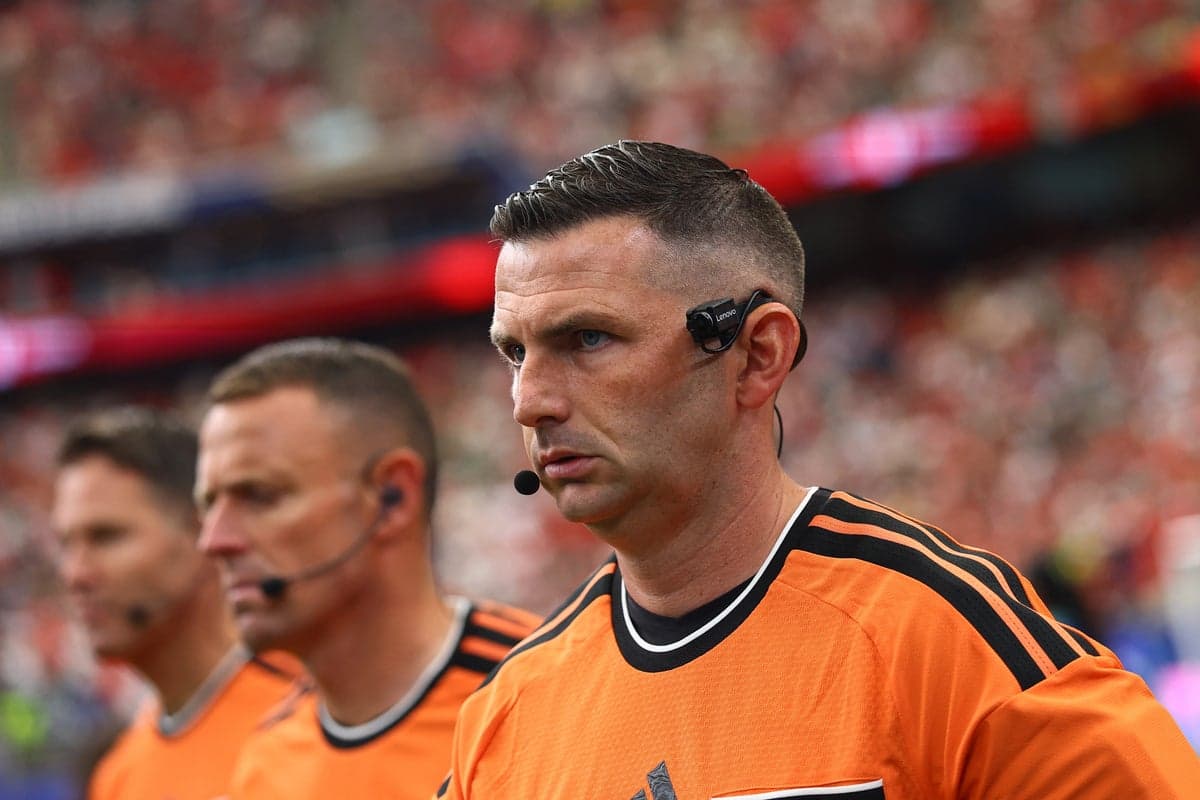
FIFA confirmed that English referees Anthony Taylor and Michael Oliver are barred from officiating any matches involving Argentina, a decision rooted in the lingering impact of the 1982 Falklands War.
Criteria Behind Referee Selection
The primary factor in choosing referees is their collective performance, assessed over multiple years by FIFA's Referees Committee, led by former World Cup final referee Pierluigi Collina. Accuracy in decision-making remains the core focus.
Referees cannot oversee games featuring their home country. Moreover, officials avoid matches where outcomes could directly affect their nation's path in the tournament. For instance, English referees would not manage a match like Argentina vs Switzerland if the winner might face England next.
Neutrality and Political Sensitivities
FIFA prefers referees from neutral confederations. A European official might handle a game between African and South American teams. When two European teams compete, such as Spain versus Belgium, a European referee is acceptable.
Beyond neutrality, political tensions shape assignments. No American referee would oversee an Iran match due to strained relations. The process remains flexible, guided by common sense to avoid politically sensitive situations.
The Falklands War's Lingering Effect
A FIFA spokesperson confirmed that the Falklands conflict still influences referee assignments. English referees won't officiate Argentina matches or those whose results impact Argentina's progress, and vice versa.
This constraint makes it unlikely that English officials will oversee the final, as England and Argentina share the same half of the draw. The war's sensitivity was highlighted when Argentine players celebrated their win over Egypt by singing “Muchachos,” referencing the Malvinas, Argentina's name for the islands.
Conflicts dating back to World War II, however, do not influence appointments; thus, German referees can officiate England’s games without issue.
Exceptions in History
There have been exceptions. In 2006, Argentine referee Horacio Elizondo took charge of England’s quarter-final loss to Portugal, a match famous for Wayne Rooney’s contentious red card. FIFA did not clarify why the current Falklands-related rules were absent then.