AC Milan's Tactical Dominance Against Hellas Verona
Under the grey Verona sky, this felt less like a routine league fixture and more like a referendum on two very different seasons. At the Stadio Marcantonio Bentegodi, the bottom‑placed Hellas Verona, drowning in a relegation fight, met an AC Milan side travelling like a machine: second in Serie A, chasing the leaders with the cold efficiency of a team that knows exactly what it is.
The scoreboard at full time read 0–1, echoing the structural imbalance between the sides. Heading into this game, Verona were 19th with 18 points from 33 matches, their overall goal difference a bruising -33 (23 scored, 56 conceded). At home, they had taken just 1 win in 16, with 12 goals for and 25 against, an average of 0.8 goals scored and 1.6 conceded at Bentegodi. Milan arrived in stark contrast: 2nd place on 66 points, with a total goal difference of +21 (48 for, 27 against). On their travels, they had been ruthless: 10 wins from 17 away matches, scoring 26 and conceding only 11, an away average of 1.5 goals scored and 0.6 conceded.
I. The Big Picture: Structures and Intent
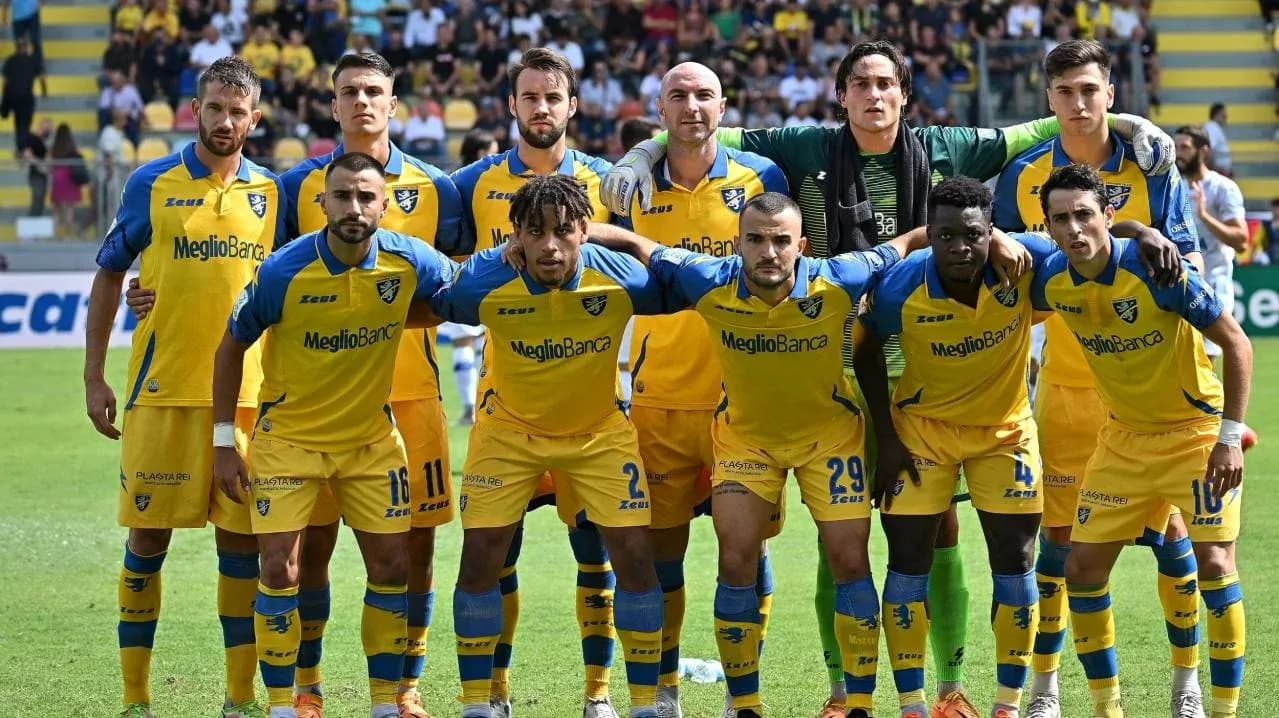
Paolo Sammarco rolled his dice with a 3-4-2-1, a shape that on paper promised numbers between the lines but, in reality, underlined Verona’s season‑long struggle to translate structure into threat. L. Montipo anchored a back three of N. Valentini, A. Edmundsson and V. Nelsson, with the wing-backs D. Bradaric and D. Oyegoke asked to stretch the pitch and provide the few attacking outlets Verona could muster.
In central midfield, J. Akpa Akpro and R. Gagliardini were the double pivot – part shield, part reluctant playmakers – feeding a narrow band of R. Belghali and A. Bernede behind lone striker G. Orban. It was a design that screamed survival: compact, reactive, and heavily dependent on Orban’s ability to turn scraps into chances.
Opposite them, Massimiliano Allegri’s Milan lined up in a 3-5-2 that was anything but conservative. M. Maignan stood behind a composed trio of S. Pavlovic, M. Gabbia and F. Tomori, a back line built for front‑foot defending. Across midfield, D. Bartesaghi and Z. Athekame provided width, while the central corridor of Y. Fofana, Luka Modric and Adrien Rabiot controlled tempo and territory. Up front, Rafael Leão and Christian Pulisic formed a mobile, interchanging front two, blending pace, dribbling and penalty‑box presence.
Given Milan’s season profile – an overall scoring average of 1.5 goals per game and only 0.8 conceded – the tactical script was clear: Milan would own the ball and the territory; Verona would cling to defensive structure and hope.
II. Tactical Voids: Absences and Discipline
Verona’s margin for error was already thin; their absentees only deepened the void. K. Bowie was out injured, D. Mosquera and S. Serdar both sidelined with knee injuries, and A. Sarr listed as inactive. None were on the team sheet, and their absence narrowed Sammarco’s options in both rotation and in‑game adjustment.
This mattered particularly in the wide and attacking zones. Without Bowie’s energy or Mosquera’s presence, Verona’s bench leaned heavily on untested or defensive profiles. It meant that when the match demanded a different gear, Sammarco’s toolkit was limited to shuffling similar pieces rather than changing the picture.
Disciplinary trends framed the risk profile. Heading into this game, Verona’s yellow cards were most concentrated between 46-60 minutes (23.38%) and 31-45 (22.08%), with a late spike between 76-90 (14.29%). Their red cards showed a worrying late‑game pattern too: 50.00% of dismissals coming between 76-90. Milan, by contrast, carried their own edge – 24.00% of their yellows arriving between 76-90 and 20.00% between 46-60 – but with far greater control of game state, those cards often came in the context of tactical fouling rather than desperation.
III. Key Matchups: Hunter vs Shield, Engine Room vs Enforcer
The headline duel was always going to be Rafael Leão against Verona’s back three. Leão entered as one of Serie A’s most productive forwards this season: 9 total goals and 3 assists in 25 league appearances, with 40 shots (23 on target). His dribbling profile – 51 attempts with 22 successes – and 31 fouls drawn made him a nightmare for defenders already under siege.
For Verona, the “shield” was collective rather than individual. Valentini, Edmundsson and Nelsson had to compress space, while Akpa Akpro and Gagliardini dropped into the back line whenever Leão drifted into the half-spaces. Gagliardini, one of the league’s top yellow‑carded players with 8 bookings and 37 fouls committed, embodied Verona’s risk: his aggression is essential to breaking up play, but one mistimed challenge against Leão or Pulisic could tilt the match.
On Milan’s side, Pulisic brought both end product and creativity: 8 total goals and 3 assists in 26 appearances, with 36 shots (23 on target) and 36 key passes. He has also missed a penalty this season, a reminder that Milan’s attacking volume is not without its imperfections. Still, his capacity to drift wide, combine with Leão, or drop into pockets between Verona’s lines constantly pulled Sammarco’s back three out of shape.
In the engine room, Rabiot was the metronome and enforcer in one. With 4 total assists and 6 goals, 1,115 completed passes at 85% accuracy, and 46 tackles plus 14 interceptions, he was the hinge between Modric’s orchestration and the forwards’ movement. His duels – 262 contested, 144 won – underlined his ability to dominate the central lane. For Verona, Akpa Akpro’s 39 tackles, 6 blocks and 18 interceptions framed him as the primary disruptor, but he too walks the disciplinary tightrope with 8 yellow cards and 34 fouls committed.
IV. Statistical Prognosis and Tactical Verdict
Heading into this game, the numbers were brutal for Verona. Overall, they averaged just 0.7 goals scored per match and 1.7 conceded. At home, their 0.8 goals for per game were undermined by 1.6 against, and they had failed to score in 8 home fixtures. Milan, away from San Siro, combined 1.5 goals scored with only 0.6 conceded, backed by 8 away clean sheets and just 3 away matches where they failed to score.
Overlaying those profiles, the xG‑style expectation was almost pre‑written: Milan to create more and better chances, Verona to rely on low‑probability moments, set‑pieces, or transitions through Orban. Orban himself, with 7 total goals and 2 assists across the campaign and 2 penalties scored, represented Verona’s sharpest attacking edge, but he was working against a side that concedes little space and even less composure.
Defensively, Milan’s structure – three centre‑backs, two hard‑working wing‑backs, and a midfield that can both press and retreat – dovetailed with Verona’s attacking limitations. With Verona having failed to score in 17 matches overall, the probability of them breaking down a side that concedes only 0.8 goals per game across the season was always slim.
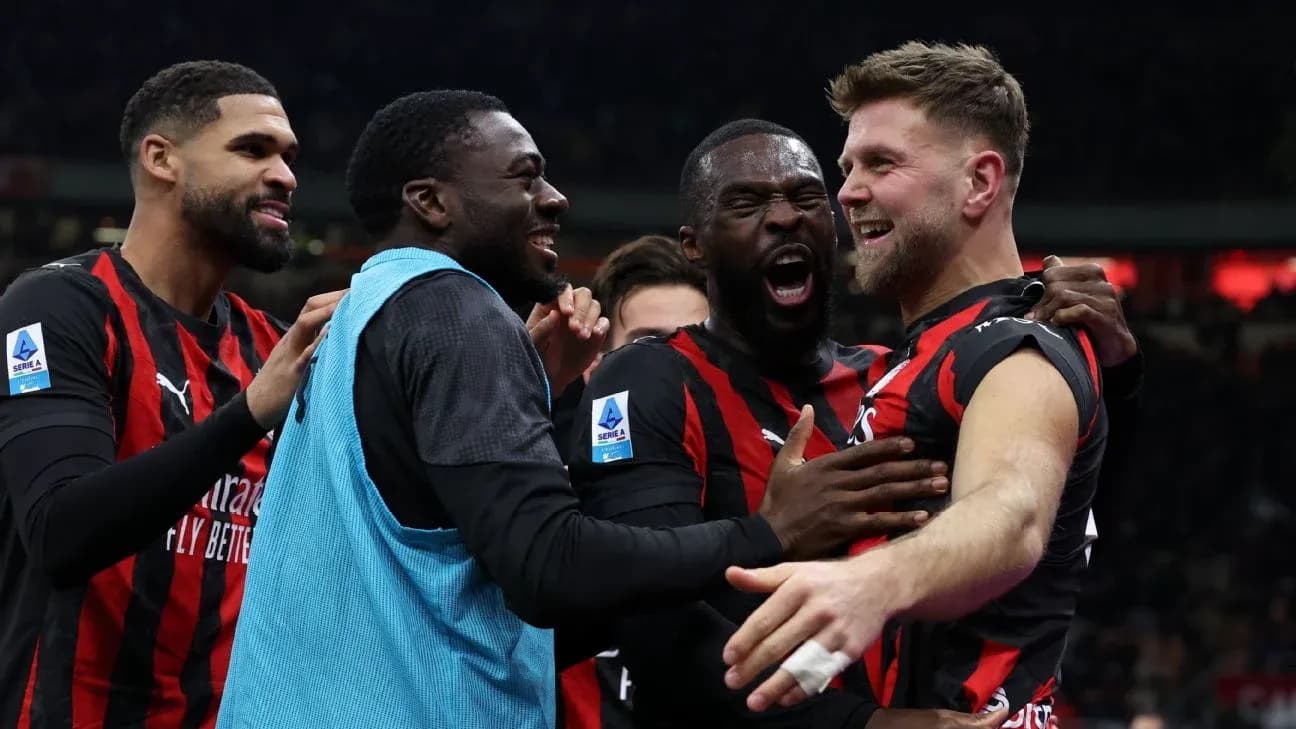
Following this result, the 1–0 scoreline felt almost understated. It encapsulated Milan’s controlled superiority and Verona’s season‑long impotence without descending into a rout. Allegri’s side confirmed, once again, that their away form is the foundation of a serious title push. Verona, meanwhile, remained trapped in a pattern: structurally earnest, individually brave, but statistically and tactically overmatched by the league’s elite.