AEK Athens FC's Champions League Journey: Tactical Insights and Key Matchups
Allwyn Arena in Athens has already staged the opening act of AEK Athens FC’s Champions League return: a tight, disciplined 1–0 win over Lask Linz in the League Stage - 1. With both lineups and early-season numbers now on the table, the contours of each squad’s identity are starting to harden — and so are the tactical battle lines for the campaign ahead.
I. The Big Picture – Emerging Identities
Following this result, AEK sit 12th in the overall league table with 3 points, a goal difference of +1 (1 goal scored, 0 conceded in the standings snapshot), and a perfect early record in Europe: overall they have played 3 matches, winning 2 and drawing 1, with no defeats. At home, they have played 2, won 2, drawn 0, lost 0, scoring 5 and conceding 0. On their travels, they have played 1, drawn 1, and have yet to score or concede.
Lask Linz, by contrast, occupy 31st place with 0 points and a goal difference of -1 (0 scored, 1 conceded in the standings snapshot). Their broader Champions League form is more volatile: overall they have played 3, winning 1 and losing 2, with no draws. At home they have played 1, won 1, scored 5 and conceded 1; away they have played 2, lost both, failing to score and conceding 4.
The raw season metrics underline the divergence. AEK’s overall goals for total stands at 5, with an overall average of 1.7 goals scored per match and an overall average of 0.0 conceded — three clean sheets in three games. Lask also have 5 goals scored in total with the same overall average of 1.7, but they have conceded 5 overall, for an overall goals against average of 1.7. AEK’s European story so far is one of control and defensive perfection; Lask’s is one of extremes: a 5–1 home statement, but fragility once they leave their own ground.
II. Tactical Voids – Discipline and Margins
There are no listed injuries or suspensions, so both Marko Nikolic and Dietmar Kuhbauer are working with essentially full squads. That places even greater emphasis on structural choices and in-game management.
Disciplinary trends are already telling. AEK’s yellow cards are evenly spread: 25.00% of their bookings have come in each of the 31–45, 46–60, 61–75 and 76–90 minute windows. It suggests a side that defends with consistent intensity throughout rather than suffering obvious concentration dips. No red cards have been recorded so far.
Lask’s yellow-card profile is more jagged and late-game heavy. Overall, 20.00% of their yellows arrive between 31–45 minutes, another 20.00% between 61–75, but there is a spike to 40.00% between 76–90 and a further 20.00% in added time (91–105). This late surge hints at a team that increasingly defends on the edge as legs tire and game states turn against them — a dangerous pattern against an AEK side that already look comfortable protecting leads.
From the spot, AEK are flawless so far: overall they have taken 1 penalty and scored it, with 100.00% conversion and no misses. Lask, however, carry a psychological scar: overall they have taken 1 penalty, missed it, and their penalty conversion stands at 0%, with 100.00% of their penalties missed. In tight European ties, that difference in composure could become decisive.
III. Key Matchups – Hunter vs Shield, Engine Room vs Press
The most obvious “Hunter vs Shield” narrative centres on Barnabás Varga. The AEK forward has been one of the early Champions League standouts: overall he has scored 2 goals in 3 appearances, with 204 minutes played and an impressive average rating of 7.63. He has taken 4 shots in total, with 2 on target, and contributed 2 key passes from 50 total passes. His duel numbers — 37 duels contested, 20 won — underline a striker who relishes physical contact, can play with his back to goal, and occupies centre-backs relentlessly.
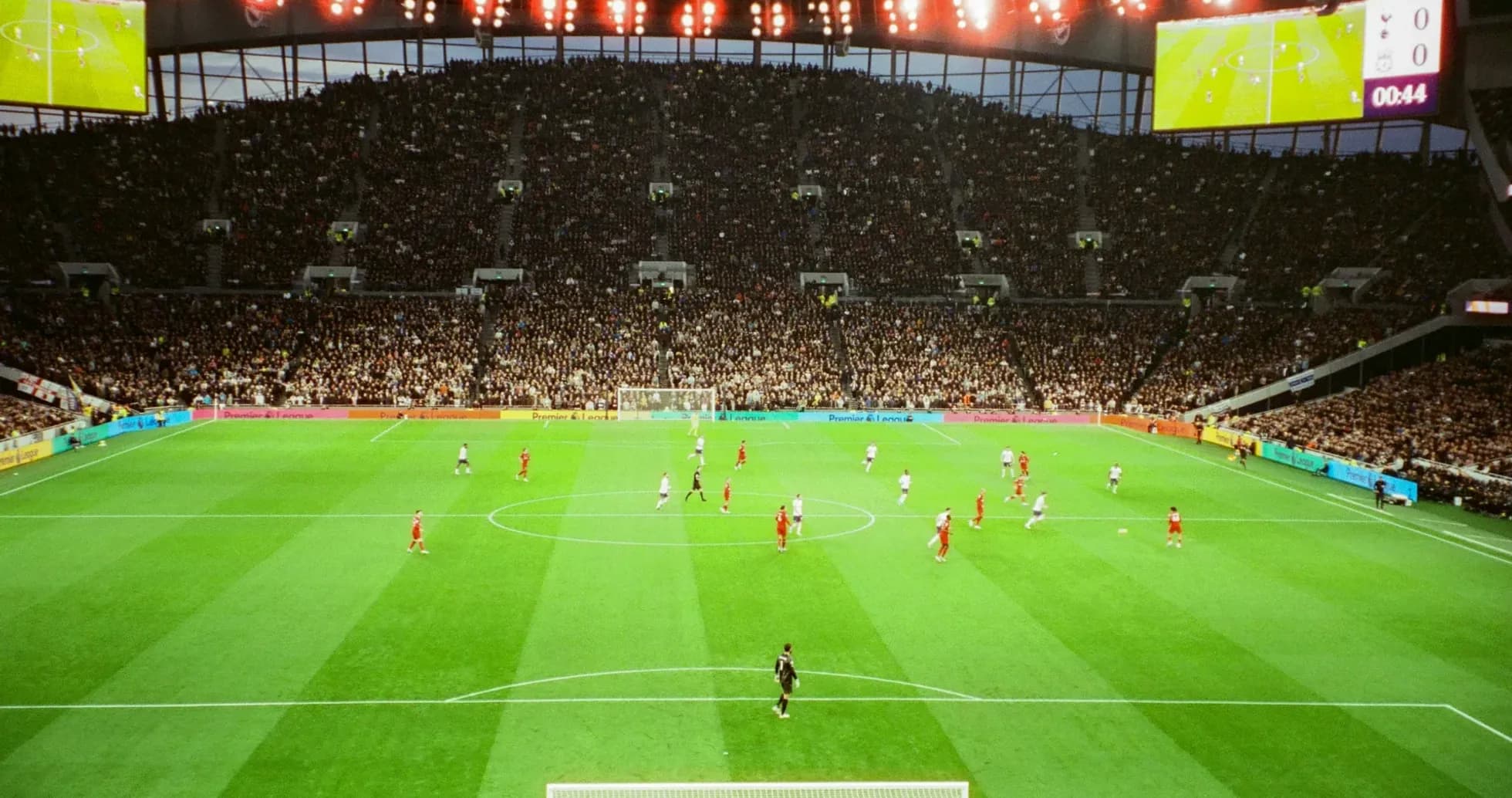
He will continue to be fed by a 4-4-2 structure that looked well-drilled against Lask: A. Brignoli in goal behind a back four of L. Rota, H. Moukoudi, F. Relvas and S. Pilio, with a midfield line of L. Majer, M. Vitalis, R. Marin and A. Koita. Up front, Varga was paired with L. Jovic, giving AEK a classic two-pronged threat — one more of a penalty-box reference, the other able to drift and combine.
This unit is the “Shield” as much as the “Sword”: overall, AEK have not conceded a single goal, home or away. At home specifically, they have scored 5 and conceded 0, with 2 clean sheets in 2 games. The back four plus Brignoli form a compact, low-error block; with no goals against in any minute band yet, their defensive timing weaknesses are simply not visible.
Lask’s counter to this is a back three in a 3-1-4-2 that morphs into a five when defending. L. Jungwirth anchors the last line, protected by X. Mbuyamba, J. Tornich and A. Andrade, with M. Bogarde as the screening midfielder. Ahead of them, K. P. Molgaard Jorgensen, R. Ljubicic, S. Horvath and G. Bello form a busy, energetic band of four, supporting the front duo of M. Usor and C. Lang.
Yet the numbers show that on their travels, Lask’s defensive platform has not held: away they have conceded 4 goals in 2 matches, for an away average of 2.0 goals against per game, while scoring 0 away goals. Their overall clean-sheet count is 0, and they have failed to score in 2 matches overall, both away. That sets up a clear dynamic: AEK’s home firepower and defensive stability against a Lask side that transforms dramatically — and not in a good way — once it leaves Linz.
In the “Engine Room”, the duel between AEK’s central pairing of M. Vitalis and R. Marin and Lask’s central cluster of Bogarde, Ljubicic and Horvath will decide territory. AEK’s 4-4-2 can be outnumbered centrally against Lask’s 3-1-4-2, but Nikolic’s side compensate with compact lines and wide midfielders who tuck in. Lask’s task is to use that extra man in midfield to break AEK’s block and create angles into Usor and Lang before the home team can collapse around the ball.
IV. Statistical Prognosis – Edges in the Margins
From a statistical standpoint, AEK carry the more sustainable profile. Overall, they average 1.7 goals scored with 0.0 conceded, supported by 3 clean sheets in 3 games and a 100.00% record from the penalty spot. Their home record — 2.5 goals scored per match at home on average, 0.0 conceded — turns Allwyn Arena into a fortress.
Lask’s numbers are more fragile: overall they average 1.7 goals scored but also 1.7 conceded, with no clean sheets and 2 matches overall in which they have failed to score. Away, the picture is stark: 0.0 goals scored on average, 2.0 conceded, and a missed penalty hanging over them.
Overlay that with the disciplinary timelines — AEK’s balanced yellow-card distribution versus Lask’s late-game surge (40.00% of yellows between 76–90 and another 20.00% in added time) — and the likely script emerges. In matches where AEK can establish control early, their defensive solidity and composure should allow them to manage leads, while Lask’s tendency to grow more desperate and exposed late on could open the door for players like Varga and Jovic to punish them in the final quarter.
In narrative terms, AEK look like a side quietly building a Champions League campaign on structure, clean sheets and a focal striker in form. Lask, explosive at home but brittle away, must solve their travelling identity crisis and rediscover their attacking edge on their travels if they are to climb from 31st and turn this group from survival mission into genuine contest.