Afghanistan Women’s National Team: A New Era in Football
For nearly five years, the Afghanistan Women’s National Team existed in a kind of footballing limbo — training in borrowed facilities, scattered across continents, with no flag to play under and no official tournament to aim for.
Now, that exile has a crack of light.
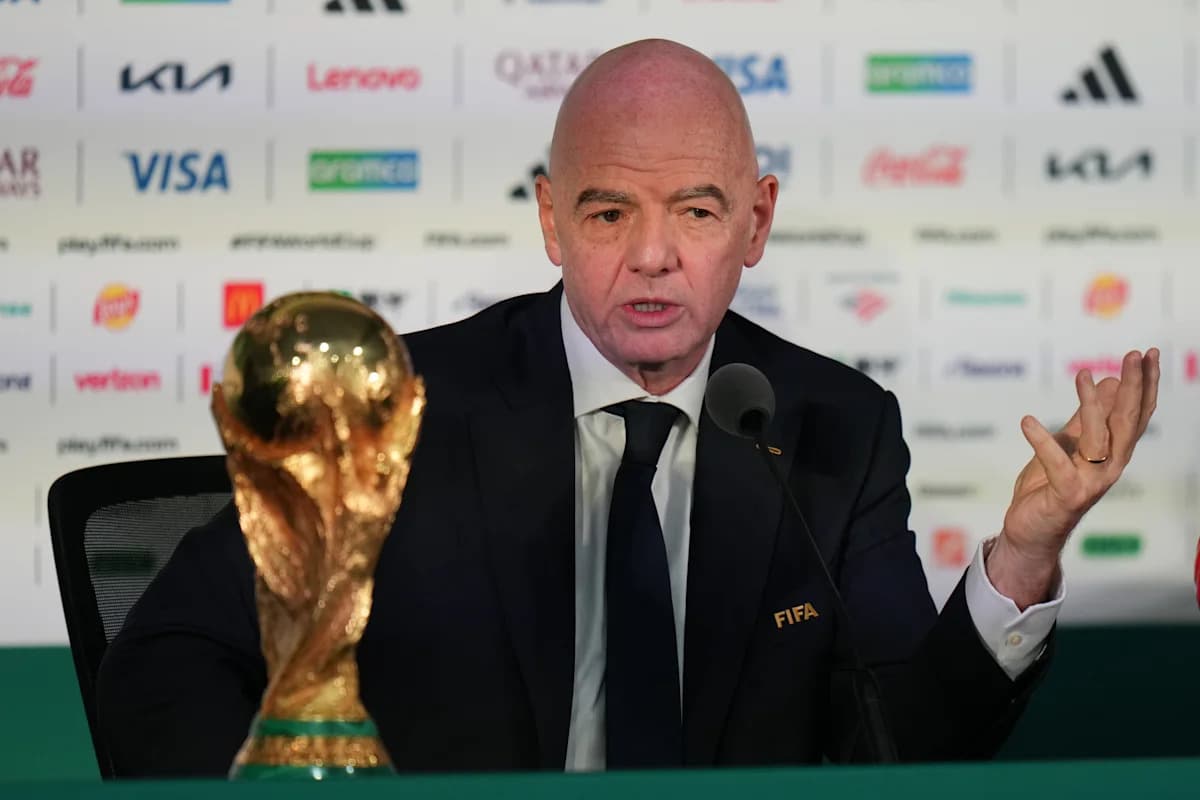
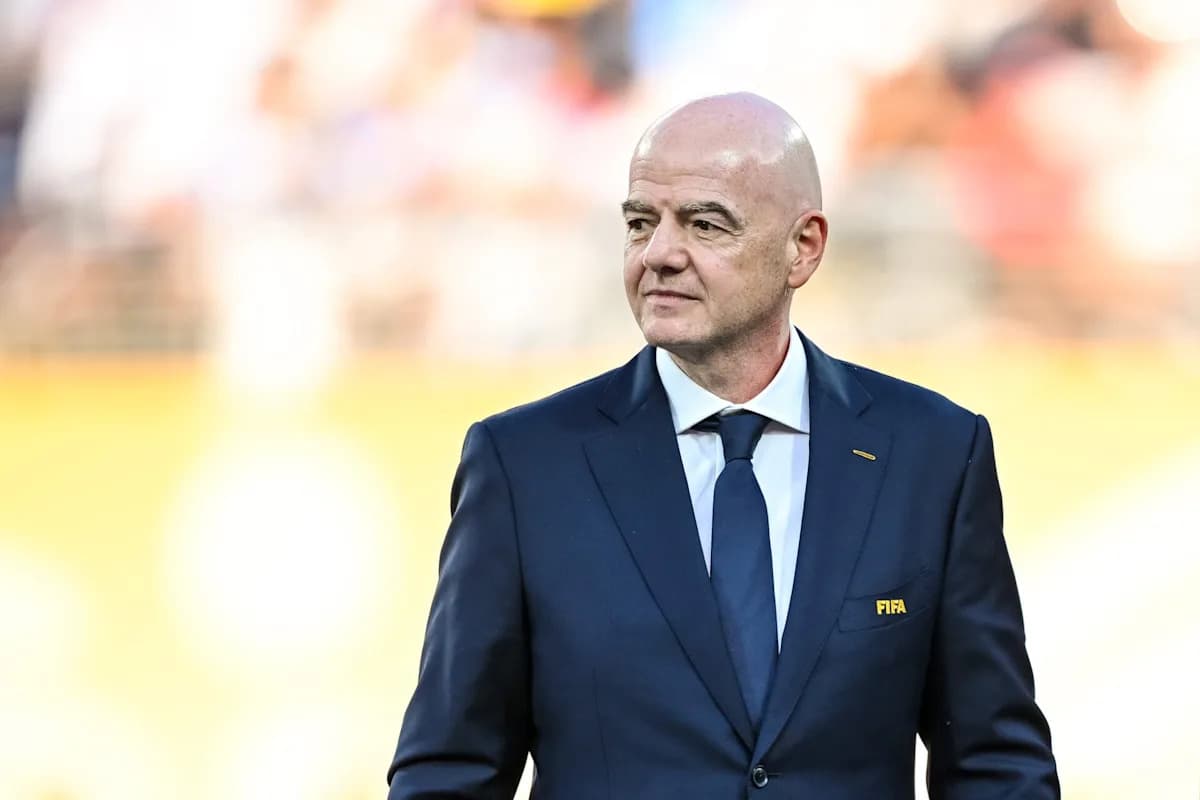
A decision by the FIFA Council on April 29, 2026, to amend its Governance Regulations has opened the door for the team to be officially recognised in exile and, crucially, to compete in FIFA competitions without the approval of the Taliban-controlled Afghanistan Football Federation. For Afghan women’s football, it is nothing short of a reset.
This is not a new team suddenly emerging from nowhere. This is a team that refused to disappear.
A Rulebook Rewritten
Under the previous rules, national teams could only enter official FIFA competitions through their home member association. For Afghanistan’s women, that meant the federation controlled by the same Taliban authorities who banned women and girls from sport after seizing power in August 2021.
The result was brutal in its simplicity: the players could train, speak, advocate, and organise in exile — but they could not truly compete.
The new amendment changes that. It gives FIFA the authority, in consultation with the relevant confederation, to register national teams for official competitions when their own member association is “unable to do so.” In practice, it closes the loophole that allowed a regime’s discrimination to be enforced through international football’s own statutes.
For the Sport & Rights Alliance, Amnesty International, Human Rights Watch and others who have pushed this case for years, it is a landmark. For the players, it is a lifeline.
“The Rebirth of Hope”
Few voices capture the weight of this shift better than Khalida Popal, founder and director of Girl Power and former captain and cofounder of the Afghanistan Women’s National Team. She has lived this struggle from inside the dressing room and on the front lines of advocacy.
“For five years, we were told the Afghanistan Women’s National Team could never compete again because the men who took our country would not allow it,” she said. That sentence alone tells you what this decision is up against.
Her response to FIFA’s move was defiant and deeply personal. She called it “the rebirth of hope and a strong message to those who try to erase women from society: you will not succeed. Women belong on the pitch, in public life, and everywhere decisions are made.”
That line — “Women belong on the pitch, in public life, and everywhere decisions are made” — now reads like the motto of a team that has been forced to become a movement.
A Team Scattered, Not Broken
Since 2021, the Afghanistan Women’s National Team has been living and training in exile, spread across Albania, Australia, Portugal, the United Kingdom, and the United States. They have worn different club shirts, spoken to different media, and played under different skies, but always with the same question hanging over them: what are we playing for?
They showed resilience. They kept training. They told their stories. Yet they remained locked out of official competitions because the rules placed their fate in the hands of those who had already banned them.
FIFA’s formation of the Afghan Women United refugee team offered a partial answer — a way to keep them active and visible. It was a gesture, not a full solution. The new amendment finally goes further, opening a pathway to restore them as a national squad with full status and the right to chase World Cup qualification, not just friendly fixtures and symbolic appearances.
Human Rights at the Heart of the Decision
This is football, but it is also politics, human rights, and the question of what global sports bodies do when entire groups of athletes are erased by their own governments.
Andrea Florence, executive director of the Sport & Rights Alliance, framed the decision in those terms. She called it “critical to ensuring every Member Association upholds their responsibilities toward gender equity and human rights,” stressing that this is “about more than just football: it’s about sending a message that no government should have the power to erase women from public life.”
Human Rights Watch echoed that sentiment. Minky Worden, the organisation’s director of global initiatives, said FIFA had “finally done the right thing by closing the loophole that allowed the Taliban’s discriminatory policies to be enforced on the global stage.” In her view, this should stand as a model for how international sports bodies respond when athletes are shut out because of gender, ethnicity, or beliefs.
A pivotal March 2025 report from the Sport & Rights Alliance — titled “It’s Not Just a Game. It’s Part of Who I Am” — laid out the legal and ethical case. It argued that the continued exclusion of the Afghanistan Women’s National Team breached FIFA’s own commitments on nondiscrimination and gender equity. That report now looks like the blueprint for what unfolded in Zurich this week.
“Punished Twice” – and a Chance at Justice
For Amnesty International, the decision carries a broader moral charge. Steve Cockburn, head of economic and social justice, did not sugarcoat what the players have endured.
“Afghan women have been punished twice: once by the Taliban who drove them from their homes, and again by global sports bodies that let them fall through the cracks,” he said.
To him, official recognition is not just a sporting outcome; it is “a step toward justice for all Afghan women, and proof of what can be achieved when the international community refuses to look away.”
That phrase — “refuses to look away” — is central here. The players’ struggle forced football’s governing body to confront a hard truth: neutrality in the face of discrimination is not neutral at all.
A Precedent Far Beyond One Team
The Sport & Rights Alliance has been clear about what this moment represents. This is a victory for the Afghanistan Women’s National Team, but it is also a marker for every girl and woman who may one day find her right to play threatened by politics, prejudice, or power.
By rewriting its own rules, FIFA has set a precedent: when a federation cannot or will not uphold basic principles of equality, the game does not have to follow suit. There is another route.
The Alliance has paid tribute to the players, fans, coaches, and activists whose relentless pressure made this possible. They kept the story alive when it would have been easier to let it fade into the background of global crises.
Now, the conversation shifts from whether Afghanistan’s women can exist as a national team to what they can achieve as one.
They have a pathway. They have recognition. The question, at last, is no longer if they will return to the biggest stage — but how far they can go when the whistle finally blows again in a World Cup qualifier with their country’s name beside theirs.