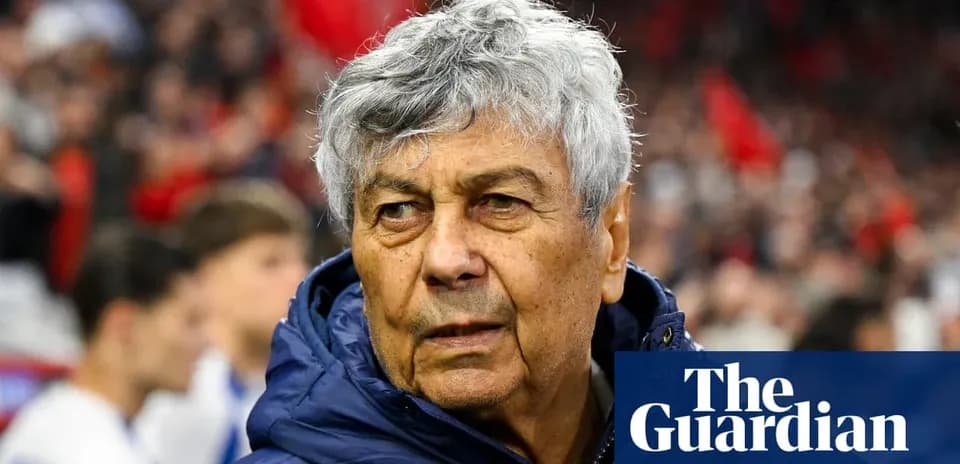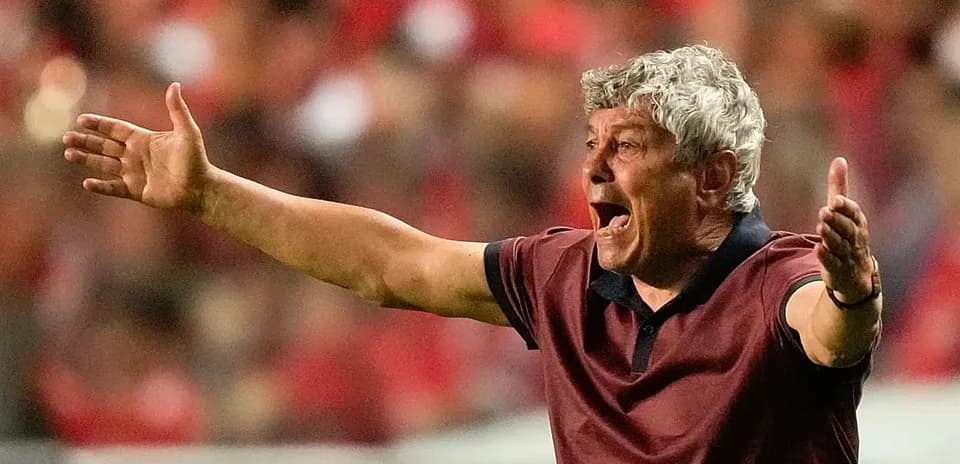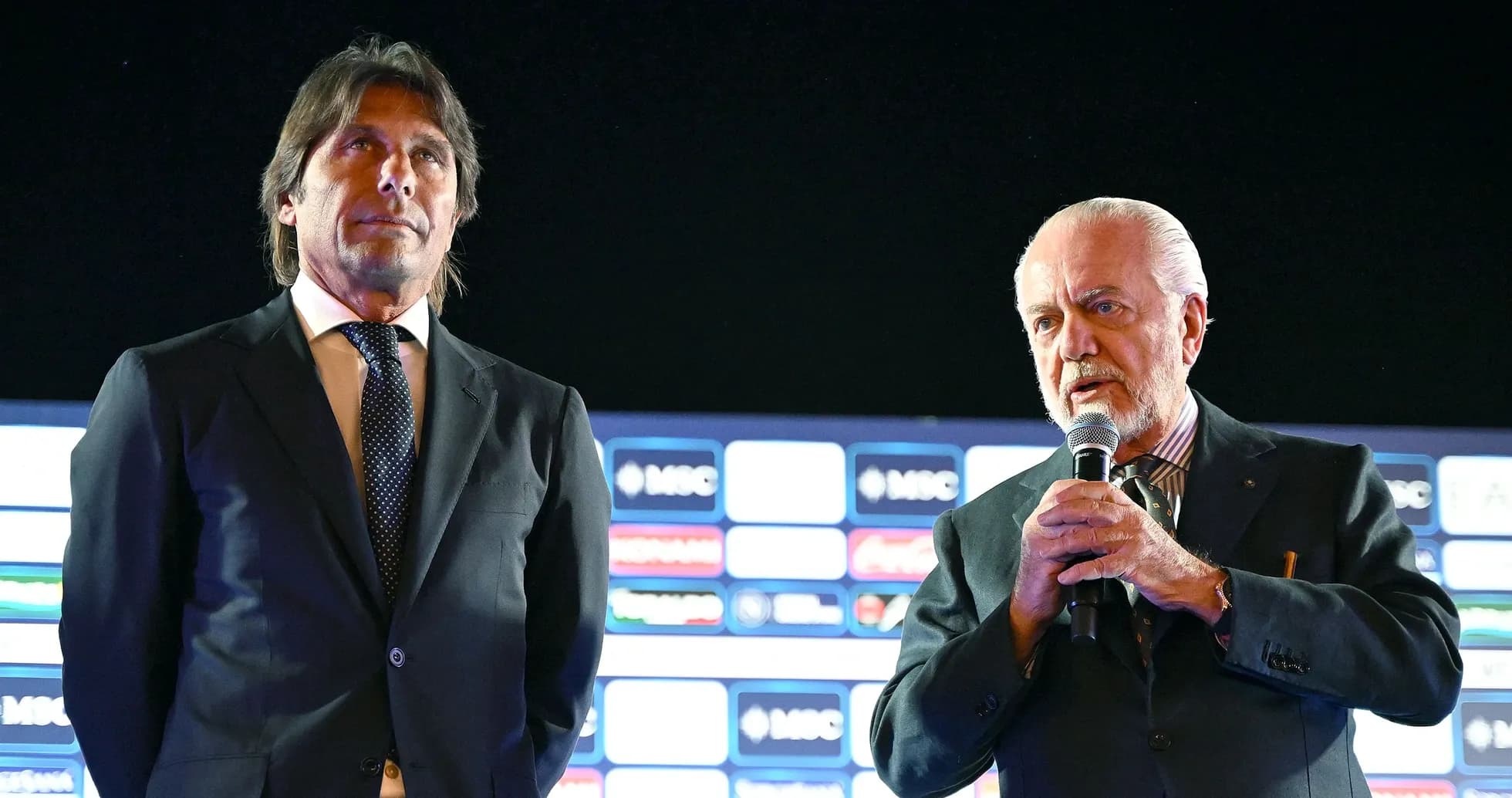
Antonio Conte stands once again at the edge of the Azzurri dugout, but this time the debate is less about tactics and far more about power, politics and a federation on its knees.
The Italy job is vacant after Gennaro Gattuso walked away in the aftermath of the World Cup play-off final defeat to Bosnia-Herzegovina, a result that sent shockwaves through a country already scarred by repeated failures on the biggest stage. The calls are growing: not just for a new coach, but for a complete reset of Italian football’s ruling class. In that storm, one name keeps returning. Conte.
Conte, the unfinished chapter
Conte knows the weight of the blue shirt better than most. He took charge of the national team in 2014, straight off a dominant spell at Juventus, and dragged a flawed squad to the edge of something memorable. Across 25 matches with Italy, he collected 14 wins and suffered just five defeats, before bowing out after the agonising Euro 2016 quarter-final loss to Germany on penalties.
That campaign felt like a starting point. It ended up being a full stop.
Since then, Conte’s career has been a tour of Europe’s elite benches. At Chelsea he won the Premier League. At Inter he wrestled the Scudetto away from Juventus. At Tottenham he fought against the club’s limitations more than its opponents. At Napoli he restored chaos into order, guiding them to the title last season and reasserting his status as one of the game’s most forceful personalities.
Now, with Italy broken and directionless, the idea of Conte returning is no longer just a media fantasy. It is an active conversation at the top of the Italian game.
De Laurentiis opens the door – with conditions
Napoli president Aurelio De Laurentiis, never one to duck a microphone, addressed the rumours head-on in an interview with CalcioNapoli24. He did not hide behind contracts or long-term projects. He made it clear: Napoli would not stand in Conte’s way if the federation came calling.
“Conte new coach of the national team? If Antonio asked me, I think I would say yes,” De Laurentiis said, framing himself as an ally rather than an obstacle.
Then came the sting.
Because for De Laurentiis, the real problem is not whether Conte wants the job. It is whether the Italian Football Federation (FIGC) is worthy of him.
“As long as there is no serious interlocutor, and up to now there have been none, I believe he would desist in imagining himself at the head of something completely disorganised,” he warned, firing a shot straight at the heart of the federation’s credibility.
In one breath, he opened the door for Conte. In the next, he questioned whether anyone inside the FIGC is capable of walking through it.
A federation at breaking point
The backdrop is bleak. Italy’s latest collapse in World Cup qualifying has pushed public patience past its limit. The campaign started under Luciano Spalletti, with hope of continuity after the tactical sophistication he showed at club level. It ended in chaos, with Gattuso drafted in late as a firefighter.
Gattuso’s record on paper is not disastrous: eight games, six wins. But two defeats – one to Norway in the final group match, the other to Bosnia-Herzegovina in the play-off final – have come to define his short reign. Those losses did more than end a campaign. They deepened a crisis of identity.
Italy will miss the World Cup in 2018, 2022 and 2026. Three consecutive absences from football’s biggest stage. For a four-time world champion, it is not just a failure. It is an indictment.
The fallout has already begun. FIGC president Gabriele Gravina has stepped down. Delegation chief Gianluigi Buffon followed him out. The sense is not of a system in need of tweaks, but of a structure that has rotted from the inside.
In that climate, the idea of Conte marching back into Coverciano as a mere head coach feels almost naive. Any return would be a political act as much as a sporting one.
“Cinderella” Serie A and a fight for control
De Laurentiis has never hidden his contempt for the way Italian football is governed, and the current crisis has given him another platform. He is not just talking about coaches and formations; he is talking about who really runs the game.
He has thrown his support behind Giovanni Malagò, the president of CONI, as the man to step in as commissioner and ultimately take over the FIGC. In De Laurentiis’ eyes, Malagò is the figure who can impose order on a federation he paints as chaotic and self-serving.
At the heart of his anger is the power balance between Serie A and the rest of the Italian football pyramid.
“Italian football is Serie A which is considered like a Cinderella, it only has 18% in terms of the federation, while the amateurs and the players have the majority,” De Laurentiis argued, calling the current set-up an “absurdity”.
His point is blunt: Serie A clubs pour money into the system – “a good €130 million a year”, as he underlined – yet hold a minority share of influence. For him, that is not just unfair. It is unsustainable.
Without Serie A, he insists, the federation would not exist. Yet the league that finances the machine is treated as an afterthought in its own house.
Can Conte fix more than a team?
This is the context in which Conte’s name is being pushed back into the spotlight. Not as a simple solution, not as a nostalgic return, but as a potential strongman at the centre of a broken structure.
De Laurentiis believes Conte is “very intelligent” and suggests that very intelligence would stop him from accepting a role inside an organisation he views as “completely disorganised”. The implication is clear: unless the FIGC changes, Conte will stay away.
So the question is no longer just whether Italy want Conte. It is whether Italian football can rebuild itself fast enough, and convincingly enough, to attract a coach who has grown used to winning titles and demanding control.
Italy need more than a new face on the touchline. They need a figurehead willing to step into a storm – and a federation ready to let him lead. Conte has worn the Azzurri tracksuit before. The real drama now is whether he is prepared to wear it again under these conditions, and whether the FIGC is capable of becoming an organisation a coach of his stature would even recognise.