Arsenal vs Burnley: Tactical Analysis of a 1-0 Victory
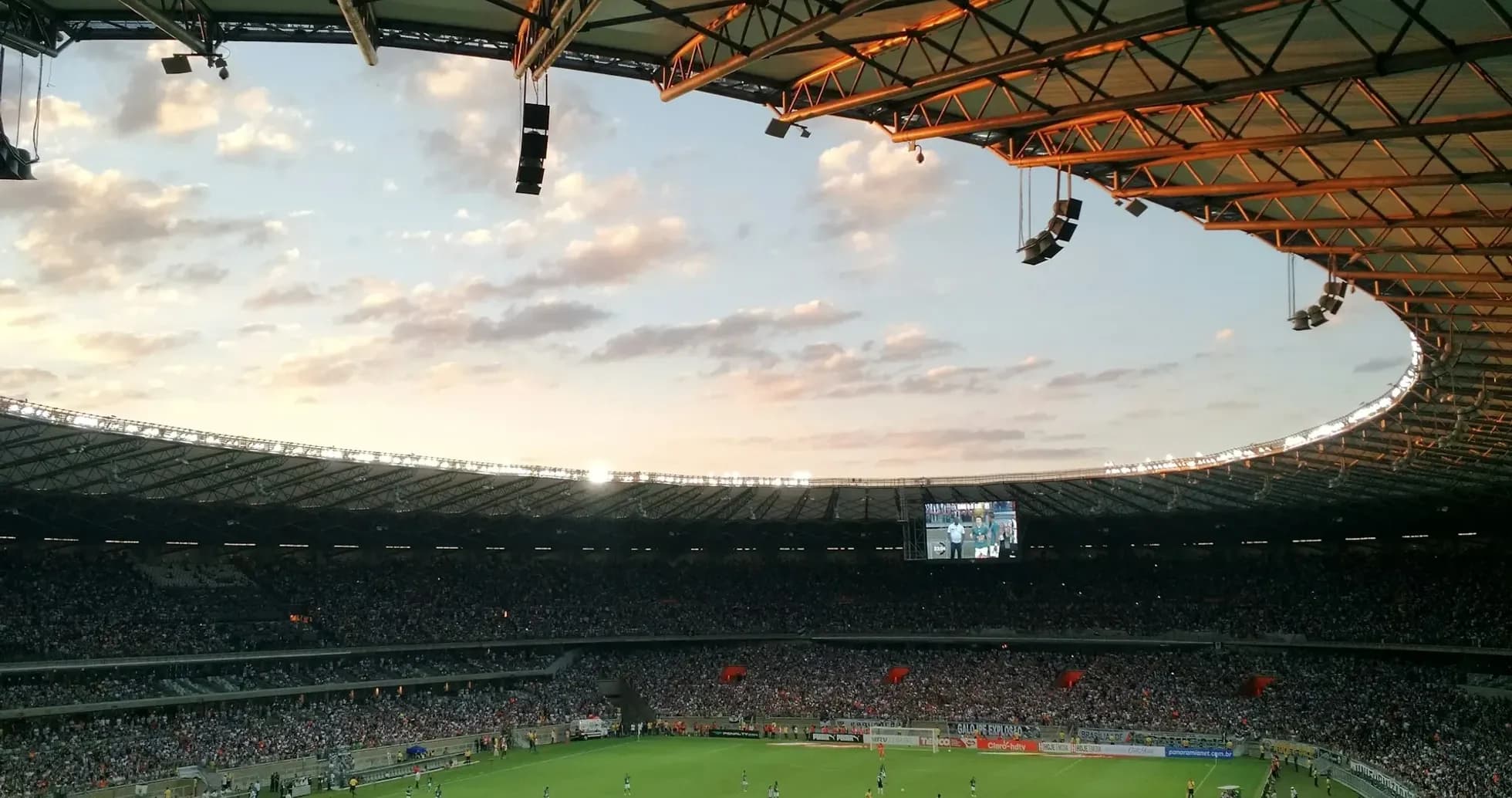
Under the London floodlights at Emirates Stadium, this felt like a meeting of opposites. Arsenal, heading into this game top of the Premier League with 82 points and a formidable goal difference of 43 (69 scored, 26 conceded overall), hosted a Burnley side marooned in 19th on 21 points, their goal difference a stark -37 (37 for, 74 against overall). The final scoreline – 1-0 to Arsenal – was narrow, but the tactical story behind it was anything but.
I. The Big Picture – Structures and Seasonal DNA
Mikel Arteta went to his trusted 4-3-3, a system that has underpinned Arsenal’s season-long dominance. At home they have been ruthless: 19 matches played at Emirates, 15 wins, 2 draws, 2 defeats, with 41 goals for and only 11 against. An average of 2.2 goals scored at home against just 0.6 conceded captures the basic power dynamic: Arsenal impose, then suffocate.
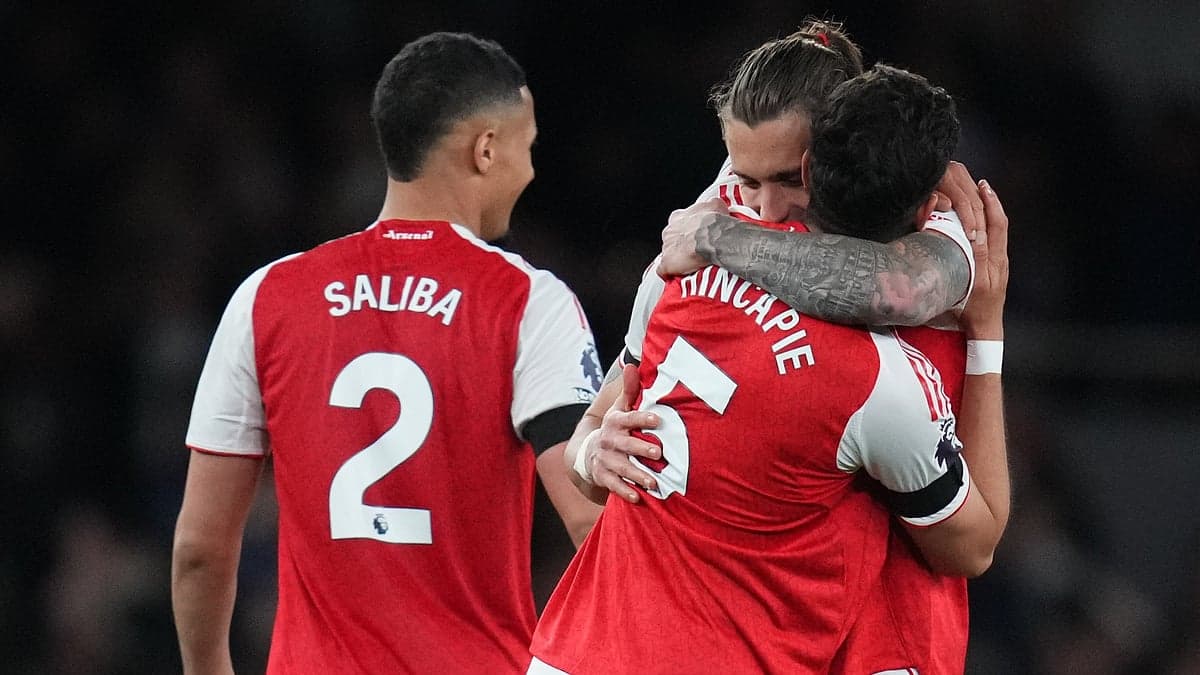
The XI reflected that identity. David Raya behind a back four of Riccardo Calafiori, Gabriel, William Saliba and C. Mosquera gave Arsenal both security and progression. In midfield, Declan Rice anchored with Martin Ødegaard and Eberechi Eze as dual interiors, while Bukayo Saka, Kai Havertz and Leandro Trossard formed a fluid front three.
Burnley, by contrast, arrived with the scars of a brutal campaign. On their travels they had played 19, winning just 2, drawing 3 and losing 14, scoring 20 and conceding 46 – an away average of 1.1 goals for and 2.4 against. Mike Jackson’s choice of a 4-2-3-1 was pragmatic: M. Weiss in goal; a back four of Lucas Pires, Maxime Esteve, Axel Tuanzebe and Kyle Walker; Florentino and Lesley Ugochukwu as the double pivot; L. Tchaouna, Hannibal Mejbri and Jaidon Anthony supporting Zian Flemming as the nominal striker.
Arsenal’s season-long goal timing trends explained the rhythm of the contest. Overall they have scored most in the 31-45 minute window (24.24% of their goals) and maintain a strong late push, with 22.73% between 76-90 minutes. Burnley, meanwhile, leak heavily just before half-time (27.40% of goals conceded in 31-45) and again late (23.29% in 76-90). This was always likely to be a match of sustained Arsenal pressure building towards those critical periods.
II. Tactical Voids – Absences and Discipline
Arsenal’s squad sheet carried notable absences. Mikel Merino (foot injury), Jurrien Timber (ankle) and Ben White (knee) were all listed as missing. The impact was subtle but real. Without Merino’s control and Timber’s versatility, Arteta doubled down on his core structure, leaning on Rice’s range and Calafiori’s ability to step inside to help progression. White’s absence nudged Mosquera into the right-back role, slightly altering the balance of Arsenal’s build-up, which tilted more naturally towards Calafiori’s flank.
Burnley had their own voids. Central defender J. Beyer (hamstring) and midfielder Josh Cullen (knee) were unavailable, thinning Jackson’s options for both deep build-up and defensive resilience. Without Cullen’s calming presence and Beyer’s aerial strength, Burnley’s 4-2-3-1 was forced to defend deeper, relying heavily on Tuanzebe and Esteve to survive the waves of Arsenal pressure.
Disciplinary patterns shaped the tone. Arsenal’s yellow-card distribution shows a late spike: 26.00% of their yellows arrive between 76-90 minutes, with another 14.00% in 91-105. Burnley, by contrast, are volatile earlier, with 20.31% of their yellows in 16-30 and significant late-game accumulation (18.75% in 76-90 and 18.75% in 91-105). That mix foretold a match where Burnley’s resistance might fray just as Arsenal’s pressure peaked.
III. Key Matchups – Hunter vs Shield, Engine Room
The “Hunter vs Shield” duel centred on Arsenal’s attacking collective, led by Viktor Gyökeres from the bench, against Burnley’s porous away defence. Gyökeres has 14 goals and 3 scored penalties this season without a miss, a ruthless presence to introduce if the game tightened. He has taken 40 shots with 22 on target, and his physical profile – 189 cm, 90 kg – makes him a punishing focal point against a defence that concedes an away average of 2.4 goals.
On Burnley’s side, Zian Flemming carried the main threat. With 10 league goals, 37 shots (20 on target) and 2 penalties scored, he is both finisher and reference point. His duels record – 268 contested, 109 won – underlines his ability to occupy centre-backs. But against a unit that concedes just 0.7 goals per game overall and keeps clean sheets in 19 matches in total (11 at home), Flemming’s task bordered on the heroic. Saliba and Gabriel, shielded by Rice, compressed the spaces he normally exploits between the lines.
In the “Engine Room”, Martin Ødegaard and Declan Rice faced Florentino and Ugochukwu. Ødegaard’s creative metrics are elite: 6 assists, 40 key passes and an 84% pass accuracy across 828 total passes. His ability to receive between Burnley’s lines and slide angled passes into Saka and Trossard repeatedly stretched the visitors’ double pivot.
Rice, with his positional discipline, ensured Arsenal could sustain pressure without being exposed in transition. Burnley’s pivots, Florentino and Ugochukwu, were forced into a reactive posture, rarely able to step forward. Their primary task was to screen Flemming’s supply and protect the half-spaces where Ødegaard and Eze rotated.
Out wide, Bukayo Saka’s duel with Kyle Walker was the game’s purest “Hunter vs Shield” subplot. Saka’s season – 7 goals, 5 assists, 63 key passes and 50 successful dribbles from 101 attempts – shows a winger who relentlessly attacks his full-back. Walker, one of the league’s most active defenders, came in with 55 tackles, 10 blocked shots and 44 interceptions, but also 9 yellow cards. Arsenal’s tendency to draw cards late, combined with Saka’s 54 fouls drawn, meant this flank was always a disciplinary tightrope for Burnley.
On the opposite side, Leandro Trossard provided the cerebral counterpoint. With 6 goals, 6 assists and 36 key passes, he drifted inside to overload central zones, allowing Calafiori to advance on the outside. His defensive work – 27 tackles, 3 blocked shots, 9 interceptions – also helped Arsenal lock Burnley in.
IV. Statistical Prognosis – Why 1-0 Felt Inevitable
Even though this was a post-match snapshot, the underlying numbers explain why Arsenal controlled the narrative. Heading into this game they averaged 1.9 goals per match overall and conceded just 0.7, with only 3 fixtures all season where they failed to score. Burnley, in turn, failed to score in 14 matches overall and kept just 4 clean sheets, none of them away.
The intersection of Arsenal’s scoring peaks and Burnley’s defensive troughs was decisive. Arsenal’s 24.24% goal share in 31-45 minutes directly overlapped Burnley’s 27.40% conceded in the same window, perfectly mirroring the half-time score of 1-0. From there, Arsenal’s game management and defensive solidity – 19 clean sheets overall – took over.
If the Expected Goals models were laid over this contest, they would almost certainly show Arsenal creating the higher-quality chances, particularly around that pre-interval surge. Burnley’s away average of 1.1 goals for suggests they could craft moments, but against this Arsenal back line those half-chances were smothered before they could swell into genuine xG.
Following this result, the 1-0 scoreline felt less like a narrow escape and more like the logical outcome of a season’s worth of structural superiority: Arsenal’s well-drilled 4-3-3 grinding down a fragile 4-2-3-1, their hunters finding just enough joy against a shield that has bent all year and finally broke at exactly the moment the numbers said it would.