Arsenal walk into Lisbon carrying the weight of a season that has suddenly shrunk.
Two weeks ago, Mikel Arteta’s team were flirting with the idea of a quadruple. Now the domestic cups are gone, the margins have tightened, and the Champions League quarter-final first leg against Sporting CP has become something far heavier than just another big European night. It feels like a test of nerve.
From quadruple talk to a reality check
The collapse came quickly. A Carabao Cup final defeat to Manchester City, then a meek FA Cup exit at Southampton. Two knockout blows, two trophies gone, and a narrative rewritten almost overnight.
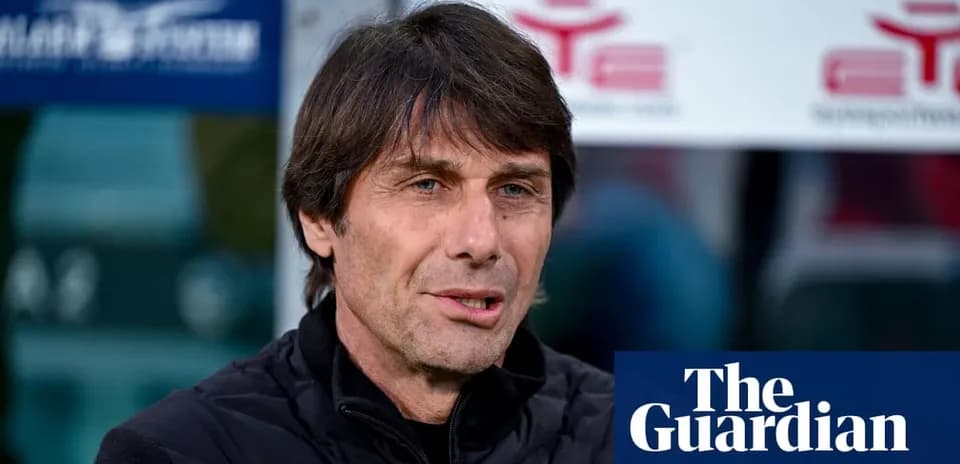
Arteta knows exactly how that looks from the outside. He also knows he cannot let it seep inside. Around Arsenal, criticism never arrives quietly; it comes with history, with old scars, with the sense that any wobble confirms every doubt people ever had about this project.
So he has developed his own ritual for nights like the one at St Mary’s. Reset the expression. Reset the message. Even in private, he forces his body language to change before he walks into a dressing room or a press conference. The players see a manager in control, not a man rattled by another chance lost.
“Someone has to take responsibility. That’s me,” he said after Southampton, refusing to hide behind injuries or fatigue. He called it “the most beautiful period of the season” and challenged his squad to treat this as their first real spell of adversity, not a crisis.
The subtext was clear: if this is what “difficulty” looks like, you haven’t seen anything yet.
Lisbon as a crossroads
Now comes Sporting. A club with its own sense of resurgence, a stadium that can turn feral under the lights, and a team that has already shown it can bend a tie to its will.
Sporting finished seventh in the new-look league phase of the Champions League, then produced one of the comebacks of the season in the round of 16. Thrashed 3-0 in Norway by Bodø/Glimt, they returned to Lisbon, dragged the tie into extra time and ran riot, winning 5-0 on the night and 5-3 on aggregate. That kind of turnaround leaves a mark. It breeds belief.
This is only Sporting’s second ever European Cup quarter-final, but they do not arrive here by accident. They have rhythm, they have resilience, and they have the memory of responding when a campaign looked on the brink.
Arsenal, by contrast, must prove they can do the same.
A perfect Europe, suddenly under strain
Up to now, Europe has been Arteta’s sanctuary. Arsenal were flawless in the league phase: eight games, eight wins – the first team to achieve that under the new format. Then came Bayer Leverkusen in the round of 16, and the Gunners handled them with a calm, professional 3-1 aggregate victory.
Those numbers matter. They tell of a side that can control games, manage pressure and turn chances into results when the stage is continental rather than domestic. They also set a standard that makes any stumble from here feel sharper.
The last time Arsenal came to Portugal to face Sporting, they cut loose. A 5-1 win on Matchday 5 last season, with goals from Gabriel Martinelli, Kai Havertz, Gabriel, Bukayo Saka and Leandro Trossard, drowned out a solitary reply from Gonçalo Inácio. That night felt like a statement of superiority.
This one feels very different. The stakes are higher, the mood more fragile, and Sporting are no longer approaching Arsenal with the wide-eyed respect of underdogs.
Injuries, doubts and the burden of belief
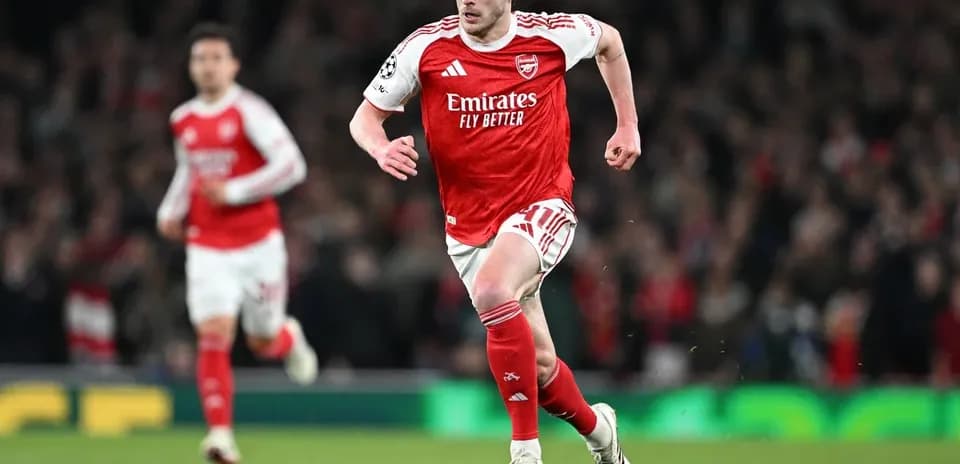
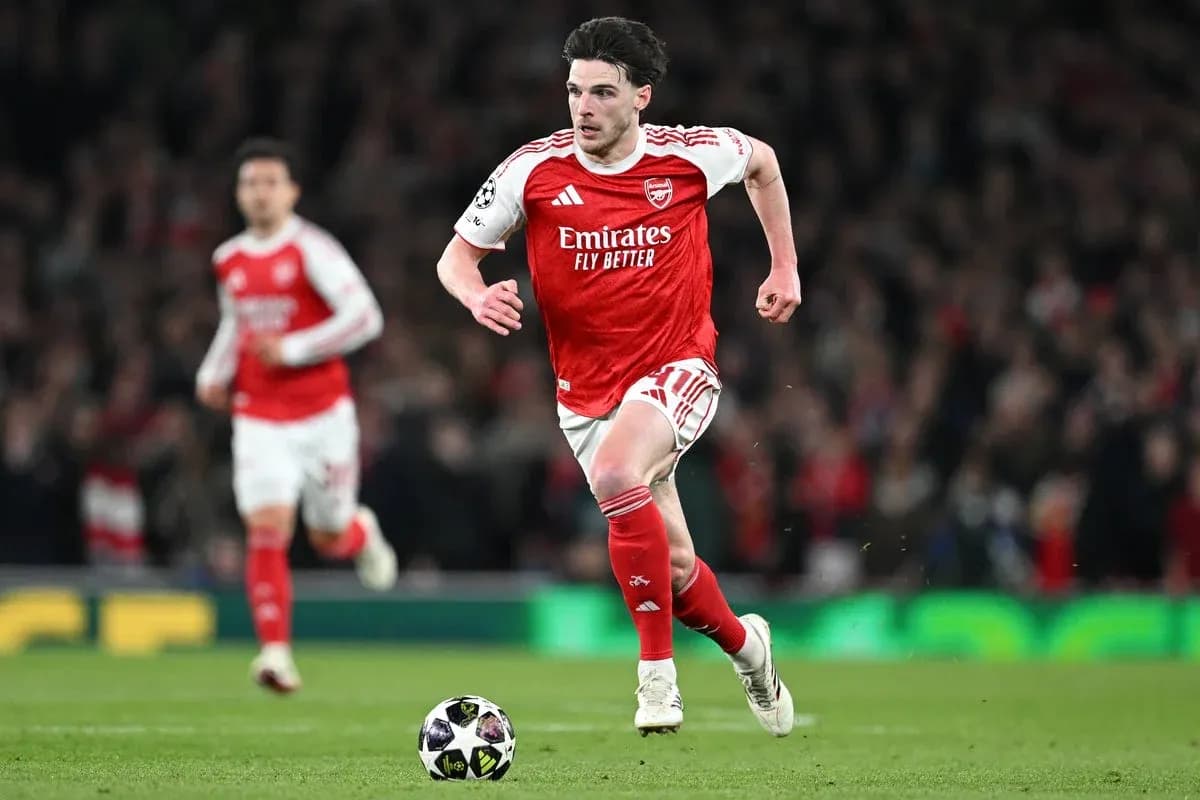
Complicating everything are the bodies. Declan Rice and Gabriel are doubts, and for a team built on control in midfield and aggression in the back line, those are not the players you want in the “maybe” column.
Arteta has spoken often about responsibility. About owning the moments that go wrong. At Southampton, he pointed to “defending errors” and refused to dilute the criticism. This was not a hard-luck story; it was a failure of details and focus.
The dressing room has responded with its own language of belief. Noni Madueke, speaking to UEFA, framed it in the terms modern athletes increasingly use: manifestation, conviction, a kind of necessary delusion.
“I feel like the greatest athletes of all time have a little bit of delusion because you need to believe it before it manifests,” he said. You could hear the echo of his manager’s demands in that line. Step on the pitch, believe you can be decisive “in any game, in any context, versus any opponent”.
For Madueke, it is also about connection. The buzz of the Emirates, the sense of 60,000 people leaning forward, waiting for the next touch, the next run. “It’s an amazing feeling,” he said. “It’s something that you can’t really explain, and it’s something that you’re always chasing.”
Lisbon will not give them that comfort. The noise will be hostile, the energy tilted the other way. Arsenal must manufacture that feeling among themselves.
Arteta’s tightrope
So this is where Arteta’s process meets reality. He has to project calm while the season teeters on a knife-edge. He has to convince a squad still smarting from a Championship side knocking them out of the FA Cup that they are ready to go toe-to-toe with Europe’s best.
The league still looms, the Premier League title race still breathing down their necks, but there is no room to drift. The Champions League has become one of two remaining avenues to silverware in 2026. Lose the thread here and the narrative changes again, from “beautiful period” to something far more uncomfortable.
Arsenal travel with history on their side against Sporting – unbeaten in five meetings, two wins, three draws – but history doesn’t track back when the whistle goes. It certainly didn’t help them at Wembley or at St Mary’s.
What happens now will say as much about the club’s maturity as any run of eight straight European wins. Can this version of Arsenal absorb a punch, walk into a hostile quarter-final, and impose itself again?
The answer in Lisbon will shape how this season is remembered: a brief flirtation with greatness, or the start of something that can survive its first real storm.