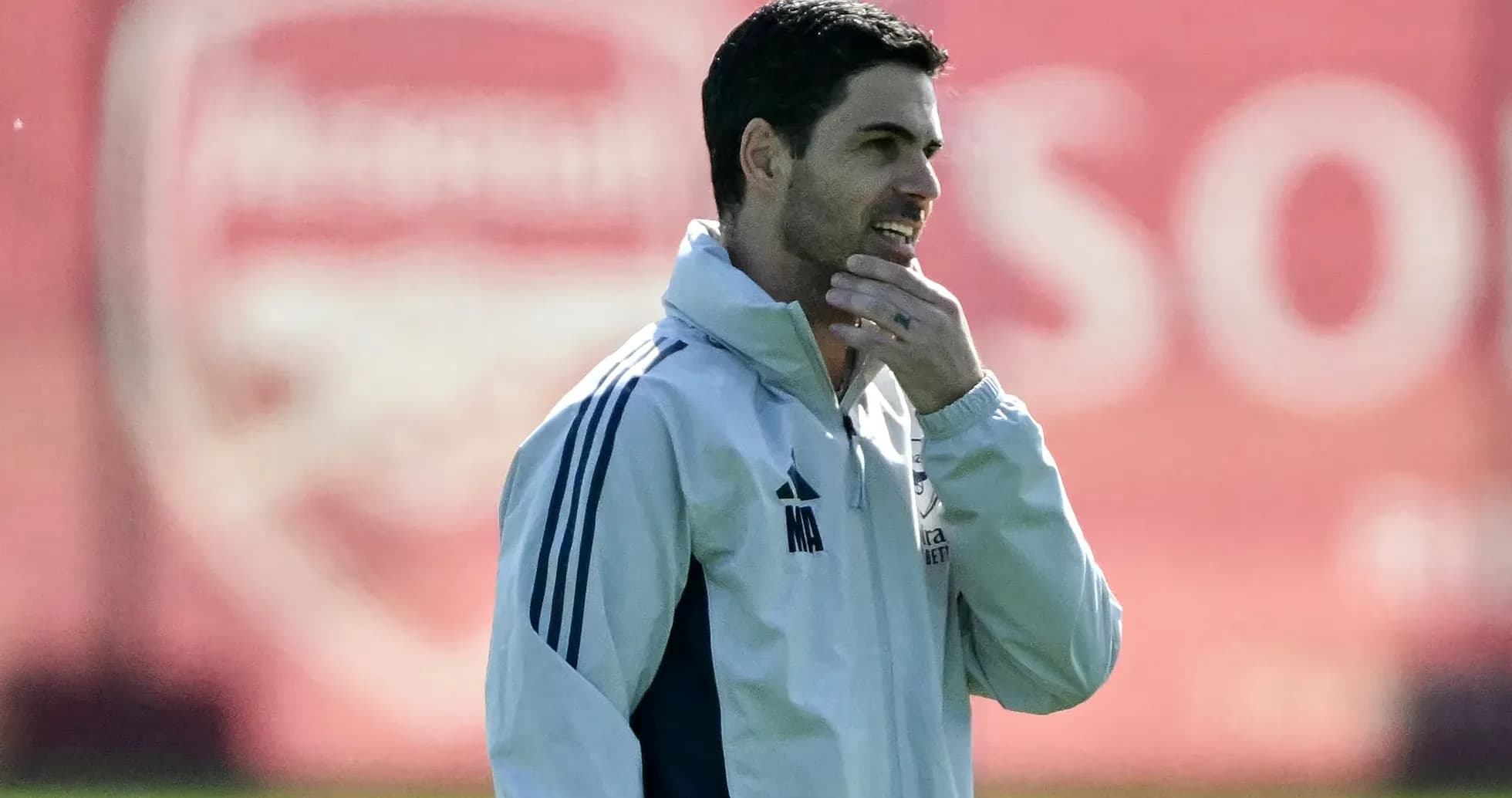
Out at London Colney, the scene looked more like an icebreaker at a corporate retreat than the final tune‑up for a Champions League quarter-final.
Arsenal players formed tight circles, snapping passes around under pressure, eyes fixed on the ball. Between their fingertips, though, each player gripped a pen. The task was brutal in its simplicity: keep the ball, keep the pen. Lose either, and the exercise broke down.
It was awkward. It was unusual. And it was exactly Mikel Arteta.
Arteta’s Theatre of the Mind
The Spaniard has never been shy about turning training into a stage for his ideas. He has brought in light bulbs to illuminate concepts of “connection”, invited professional pickpockets to demonstrate how easily focus can be stolen, and leaned into any tool that might sharpen minds when legs grow heavy.
The pens are the latest prop.
Footage from the session shows players trying to juggle two realities at once: the chaos of a possession drill and the delicate balance of not dropping a flimsy piece of plastic. It looks faintly ridiculous. It also looks exhausting.
Arteta, 44, has no interest in explaining the full symbolism. Asked about it before Arsenal’s Champions League quarter-final first leg against Sporting CP in Lisbon, he swerved the specifics and went straight to the bigger picture.
“Instead of panic, understand if that happens why it happened and bring clarity,” he said. “There’s always going to be a question mark and that’s it. You have to live the present, you have to deliver it every day. That’s the standard we set and that’s part of our identity and it’s part of this football club. A training session has to have different elements. And it has to be related to the messages we send and the compromises and commitments we’ve done between us.”
In other words: the pen is less important than the pressure around it.
The drill forces players to manage stress, to make decisions with their bodies and brains pulled in different directions. Drop the pen and you’ve lost control of one detail. Lose the ball and the whole unit suffers. It’s a physical metaphor for what awaits in Lisbon.
Lisbon Looms
This is not a gentle reintroduction to European knockout football. Sporting have turned their home ground into a fortress in this season’s Champions League, winning all five of their matches there. They play with aggression, with tempo, and with the conviction of a side that knows exactly what it is on its own turf.
Arsenal, by contrast, carry baggage into Portugal. They have never won an away knockout tie there in European competition. Six attempts, six disappointments: four draws, two defeats. The most recent scar came in 2024, a 1-0 loss at FC Porto that underlined just how unforgiving these trips can be.
So this is not just about tactics or team selection. It is about handling the weight of history, the noise of a hostile crowd, and the knowledge that a single lapse can tilt a tie.
That is where the pens come in.
Arteta wants his squad to live inside that discomfort before they ever step onto the pitch at Estádio José Alvalade. To feel what it is to be pulled mentally in two directions and still make the right choice. To understand that panic is optional, clarity is trained.
Beyond Sporting, the Etihad Shadow
This match carries its own stakes, but it also sits in the shadow of something even bigger. In 12 days’ time, Arsenal are due at the Etihad Stadium for a visit that could shape the title race.
Lisbon, then, becomes a stress test. A dress rehearsal in a different colour shirt.
Can Arsenal manage a high-pressure away night without letting the occasion swallow them? Can they impose their identity on a team that has been flawless at home in this competition? Can they finally tear up that wretched Portuguese record?
Arteta’s answer is to prepare them with pens and possession, with metaphors and meticulous detail, with the insistence that every training session carries the same intensity as a knockout tie.
The props will be gone by the time the whistle blows in Lisbon. The question is whether the composure they were designed to build will still be there when the ball starts to move and the pressure really bites.