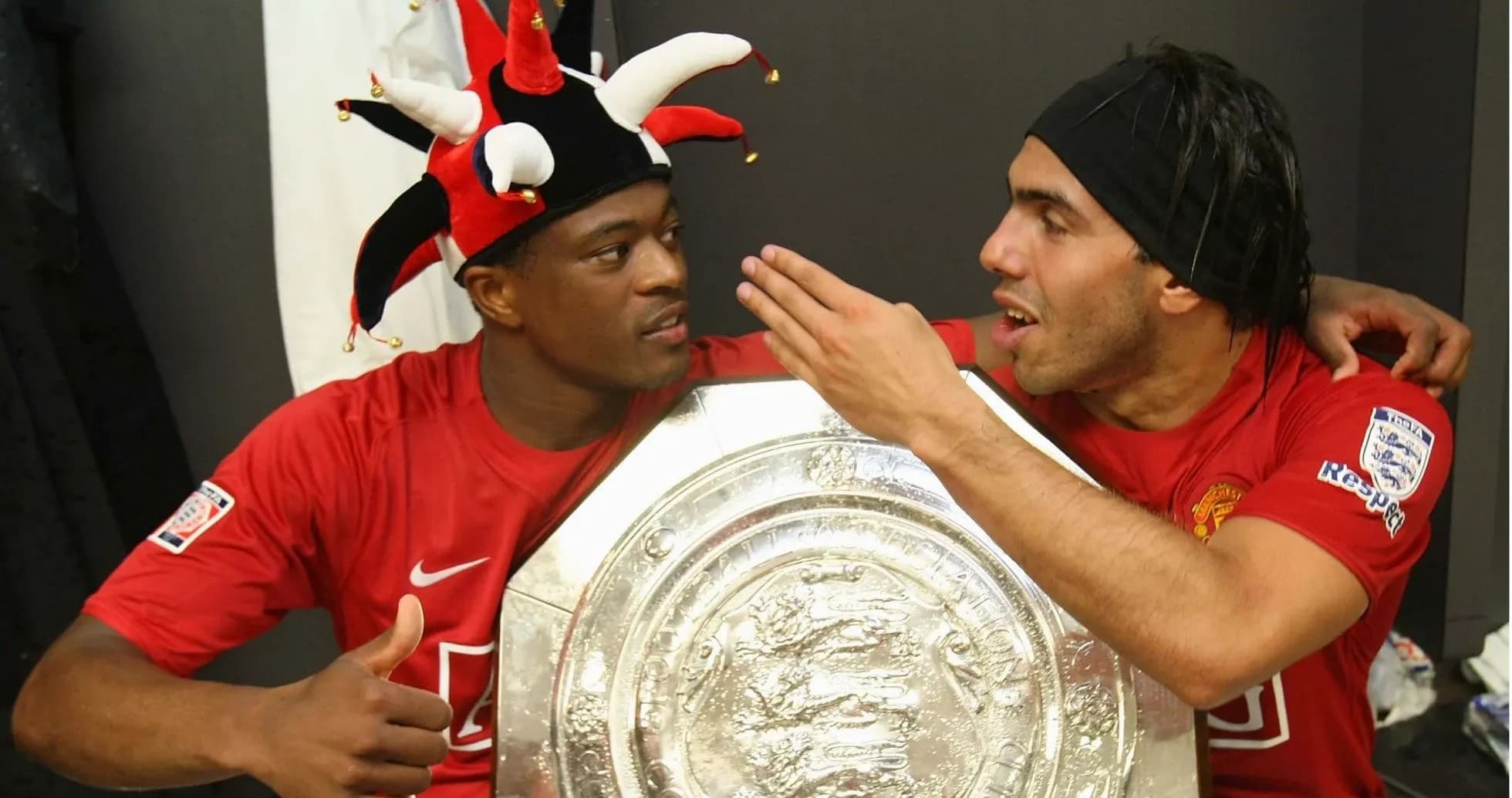
Patrice Evra still remembers the moment the news flashed up. Sun on his face, holiday mode on, and then: “Boom! Tevez is joining Manchester City.”
Everything changed in that instant.
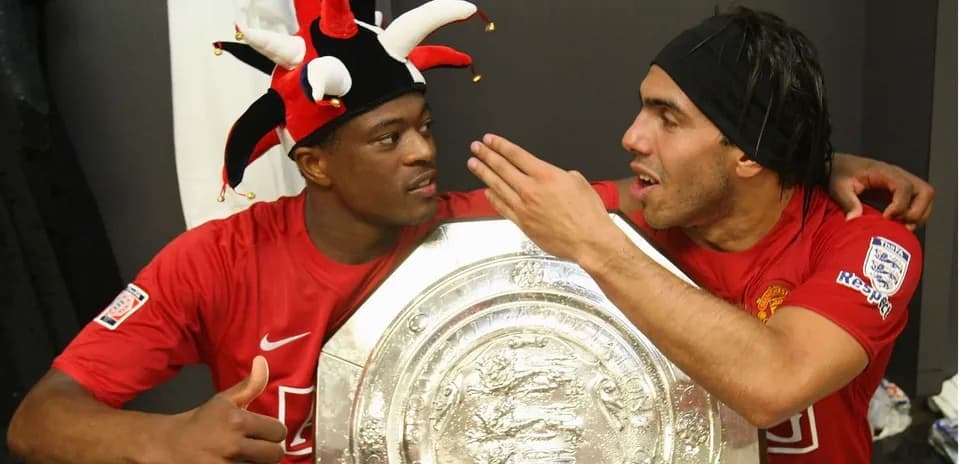
For Evra, Carlos Tevez was more than a teammate. The pair shared the pitch 79 times for Manchester United, forged in the heat of title races and European nights, bound by what Evra still calls a brotherly bond. They had just come through the pain of losing the 2009 Champions League final to Barcelona. The dressing room was raw, emotions frayed. Then came a decision that would redraw the map of a city.
Tevez crossed the divide.
Evra, speaking to The Athletic, did not sugarcoat how that felt. “It was painful, man. It was heartbreaking. I couldn’t believe it,” he said. The context still stings: Tevez left after a season in which he had not started that Champions League final and, according to Evra, felt unwanted by the club hierarchy.
“He had a beef with Ferguson,” Evra recalled. “Tevez was like ‘They didn’t offer me nothing’.”
From Evra’s perspective, that tension with Sir Alex Ferguson and the lack of a contract offer lit the fuse. The forward, adored by United fans for his relentless work rate and big-game goals, walked away not just from a club, but from a dynasty in full stride. And he didn’t just leave. He went next door.
Evra remembers the shock turning quickly into anger. As soon as he saw the headline, he picked up the phone. “I called him and said, ‘I’m going to kill you, I’m going to break your legs Carlito’. This was too painful. It was difficult to swallow.”
Beneath the dark humour, there was a genuine sense of betrayal, not only on a personal level but in what it meant for United. Evra is convinced that Tevez’s switch did more than inflame a rivalry; it shifted the landscape of English football.
He believes that move handed City the platform they needed to grow into the powerhouse they have since become. Tevez arrived as a statement: City were no longer content to lurk in United’s shadow. They were coming for their neighbours, and they were doing it by taking one of their own.
Inside the United camp, it felt like a shot to the heart. Outside, it looked like a power grab.
Evra frames it as a form of retribution aimed at Ferguson. “I think this was a payback to Sir Alex Ferguson,” he admitted. That is where his disappointment still lies. Not just in the fact that Tevez left, but in the sense that the real reasons, the full story behind the breakdown, remain locked away.
“Because at the end,” Evra said, “you will never know the true story.”
The friendship survived. The city did not stay the same.