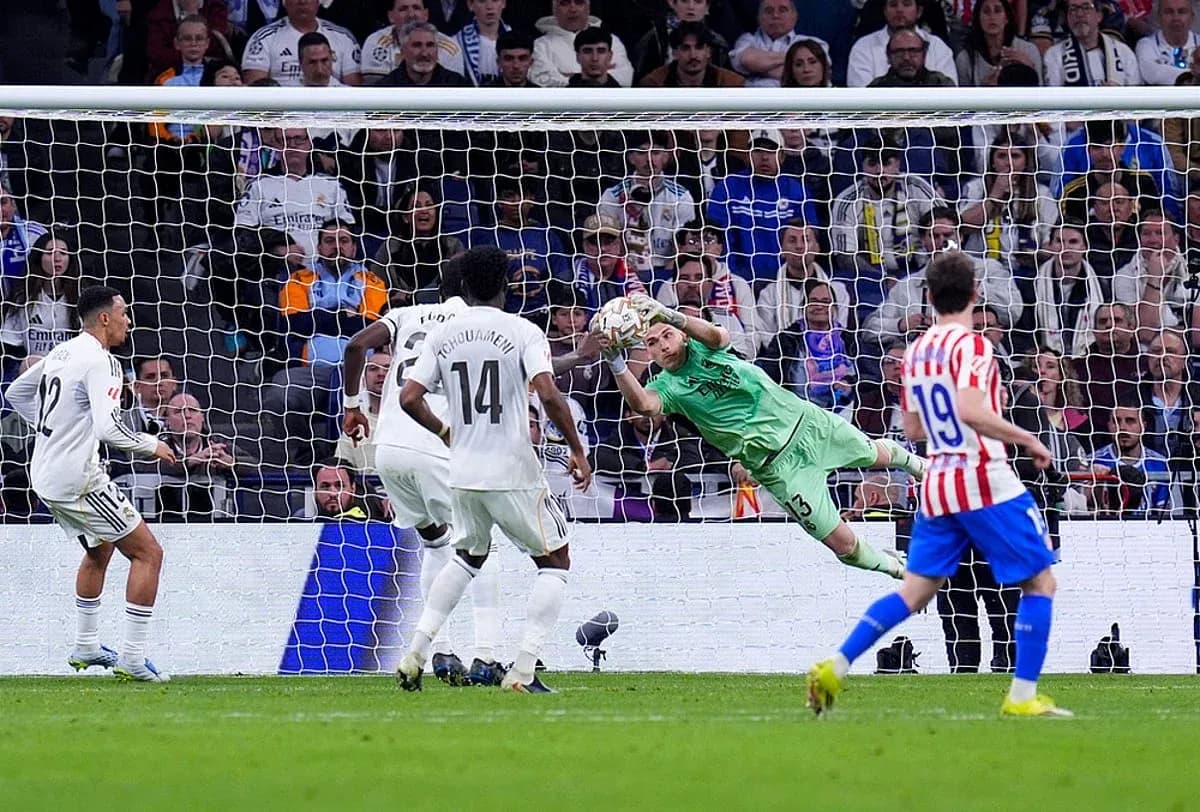
Athletic Club vs Celta Vigo: Key Clash for European Qualification
Ahead of this Round 37 clash at Estadio de San Mamés in La Liga, Athletic Club sit 9th with 44 points while Celta Vigo are 6th on 50 points. In the league phase, it is a high‑leverage game for European qualification: Celta are defending a Europa League pathway position, and Athletic must win to keep any late push for Europe alive and to avoid slipping into a congested mid‑table pack.
Head-to-Head Tactical Summary
The recent head-to-head data shows a genuinely balanced matchup with strong home influence. On 14 December 2025 in Vigo, Celta Vigo beat Athletic Club 2-0 at Estadio Abanca Balaídos (HT 0-0), underlining Celta’s ability to stay compact before striking after the interval. Earlier in the same La Liga year, on 19 January 2025 in Vigo, Athletic won 2-1 (HT 0-0), showing they can counter-punch effectively away from Bilbao.
At San Mamés Barria, the last two meetings have both been high-scoring. On 22 September 2024, Athletic beat Celta 3-1 (HT 2-1), leveraging early attacking pressure. Before that, on 10 November 2023, Athletic edged a 4-3 thriller (HT 2-2), with both sides trading blows and exposing defensive space. In Vigo on 15 May 2024, Celta turned around a deficit to win 2-1 (HT 0-1), again highlighting their capacity to adjust and improve after the break. Overall, Celta have taken the more recent result, but San Mamés has consistently tilted the attacking balance toward Athletic.
Global Season Picture
- League Phase Performance: In the league phase, Athletic Club are 9th with 44 points from 36 matches, scoring 40 and conceding 53 (goal difference -13). Their profile is mid‑table with a negative defensive balance. Celta Vigo are 6th with 50 points from 36 matches, scoring 51 and conceding 47 (goal difference +4), which is consistent with a more expansive, attack‑leaning side in the European race.
- Season Metrics: In the league phase, Athletic’s numbers point to a slightly reactive, uneven side: 40 goals for and 53 against across 36 matches, averaging 1.1 goals scored and 1.5 conceded per game. Their main formation has been 4-2-3-1 (35 matches), indicating a structure built around a double pivot and three advanced midfielders. Discipline-wise, their yellow and red card distribution is heavily weighted toward the second half, particularly minutes 46-75, suggesting rising defensive strain late in games.
- In the league phase, Celta Vigo show a more balanced and slightly more efficient profile: 51 goals for and 47 against, with averages of 1.4 scored and 1.3 conceded per match. They predominantly use a 3-4-3 (26 matches) and 3-4-2-1 (8 matches), pointing to a back three with aggressive wing-backs and multiple forward lanes. Celta have failed to score only 6 times in 36 matches, compared with Athletic’s 13, underlining a more reliable attacking output. Both sides have perfect penalty conversion (Athletic 5/5, Celta 8/8), indicating high composure from the spot.
- Form Trajectory: In the league phase, Athletic’s form string “LLWLW” signals volatility: three defeats in the last five, but with two wins keeping them in the top half. This pattern aligns with a high-variance team capable of strong performances but lacking consistency. Celta’s “LWWLL” shows a sharp swing: two consecutive wins followed by two defeats, then another loss. That means they arrive under pressure, having lost three of their last five, risking erosion of their current 6th-place position if the slide continues.
Tactical Efficiency
In the league phase, Athletic’s attacking efficiency is modest: 1.1 goals per game from a structure that often commits four or five players forward in a 4-2-3-1. Defensively, conceding 1.5 per game points to a vulnerable block once the first line is bypassed, especially away from home, though at San Mamés they are slightly tighter (20 conceded in 18 home matches, 1.1 per game). Their relatively high number of matches failing to score (13 in 36) suggests that when opponents control central zones, Athletic’s attack can stall.
Celta Vigo’s attacking index is stronger: 1.4 goals per match in the league phase, with a back-three system that naturally generates width and second-line runners. Conceding 1.3 per match indicates a defense that is not dominant but broadly in line with a Europa League-chasing side. The fact they have 9 clean sheets compared with Athletic’s 6, while failing to score in only 6 matches, reflects a more efficient balance between risk and control. Their away defensive record (19 conceded in 18 away games, just over 1 per match) is particularly relevant going into San Mamés, where they have previously been involved in high-scoring fixtures but now bring a more stable back-three structure.
The Verdict: Seasonal Impact
In the league phase, this fixture has asymmetric but significant consequences. For Celta Vigo, a win away at Athletic would likely consolidate or even strengthen their grip on a Europa League pathway spot, pushing them toward the upper end of the top six and giving them a margin heading into the final round. A draw would keep them in the European mix but leave them exposed to being overtaken by closely packed rivals on the last day. Defeat would open the door for teams behind them to erase the current 4‑goal positive difference and 50‑point platform, turning a strong campaign into a risky final‑day scramble.
For Athletic Club, three points at San Mamés would lift them closer to the European positions and, crucially, apply pressure on the clubs currently between 6th and 8th. Given their negative goal difference and inconsistent form, they are unlikely to leapfrog multiple rivals without a strong finish; therefore, this match functions as a must‑win if they want any realistic late push toward continental football in 2026. A draw would essentially lock them into mid‑table, while a defeat could see them slide further down the top half, reframing the season as one of stagnation rather than progression.
Strategically, the result will help define the narrative of both campaigns: for Celta, whether a more expansive, back-three project is rewarded with Europe; for Athletic, whether a high-variance, attack‑minded 4-2-3-1 can translate home strength into a genuine step toward the top tier of La Liga’s competitive hierarchy.