Elche's Home Resilience Secures 1–0 Victory Over Getafe
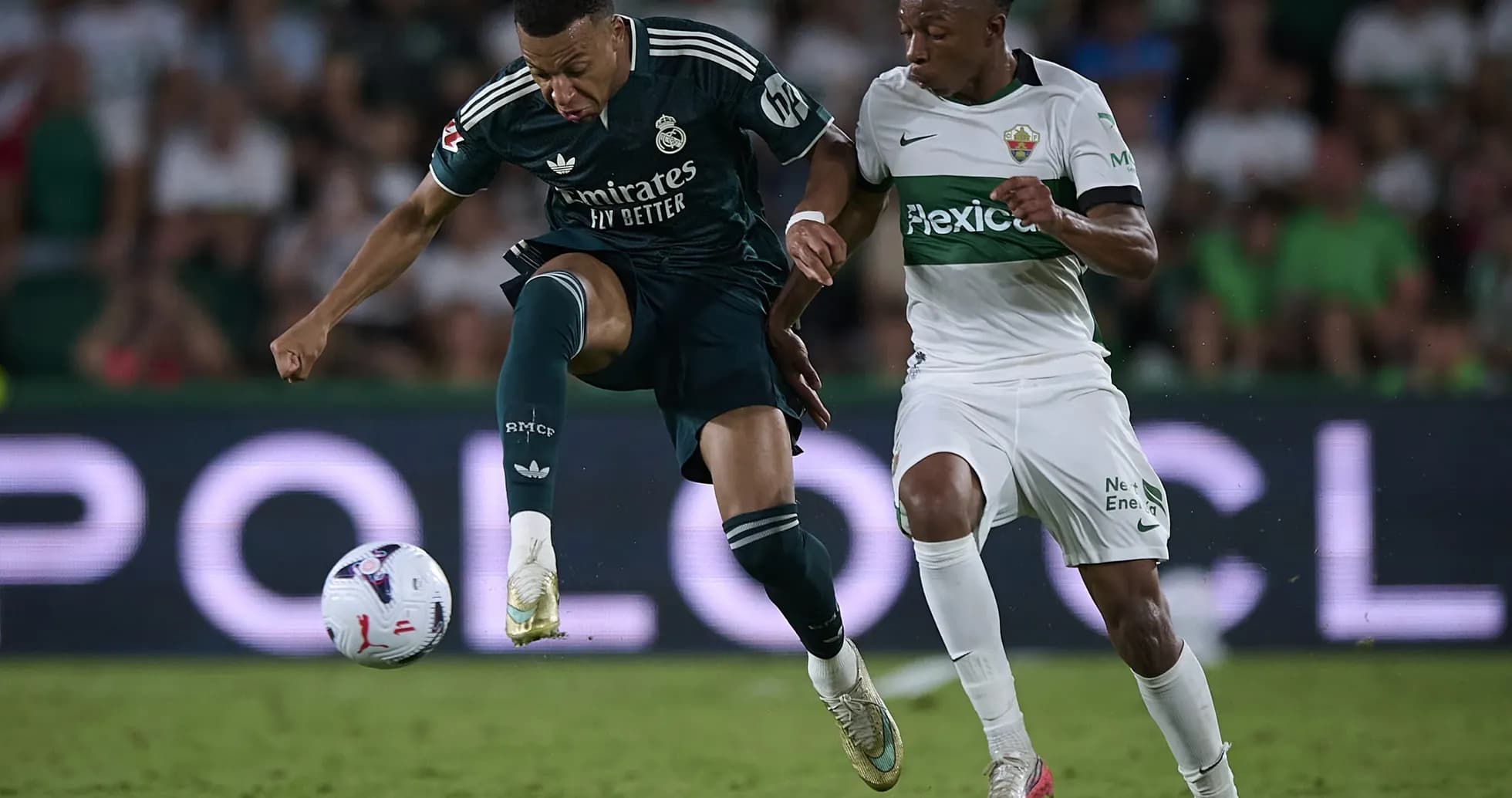
Under the late-afternoon light of Estadio Manuel Martínez Valero, Elche and Getafe met in a La Liga fixture that felt heavier than its “Regular Season – 37” label. Following this result, Elche sit 17th on 42 points, their overall goal difference at -8 after scoring 48 and conceding 56 across 37 matches. The 1–0 win here was a distilled version of their seasonal DNA: rugged, pragmatic, and especially formidable at home.
On their own ground, Elche have been a different animal all campaign. Across 19 home matches they have 9 wins, 8 draws and only 2 defeats, with 30 goals for and 19 against. That home profile – 1.6 goals scored and 1.0 conceded per game at the Martínez Valero – framed this match as a survival statement rather than a simple outing against a top-half side.
Getafe arrived as the more stable project in the table, 7th with 48 points and an overall goal difference of -7 (31 for, 38 against) after 37 games. Their season has been defined by austerity: just 0.8 goals scored per match overall, but only 1.0 conceded. On their travels they had 7 wins, 3 draws and 9 defeats, scoring 14 and conceding 22 – an away average of 0.7 goals for and 1.2 against that already hinted at the fine margins they would be forced to navigate.
The final scoreline – 1–0 to Elche, decided before half-time and protected after – felt like the meeting point of those trajectories: Elche’s home resilience and Getafe’s offensive limitations.
Tactical voids and absences
The team sheets told a second story even before a ball was kicked. Elche were shorn of four squad pieces: A. Boayar (muscle injury), Y. Santiago (knee injury), and two suspended midfield anchors, A. Febas (yellow-card accumulation) and L. Petrot (red card). The absence of Febas was particularly significant; he has been one of La Liga’s most combative and progressive midfielders this season, with 10 yellow cards and a profile built on 1934 completed passes and 73 tackles. Removing that volume from the centre forced Eder Sarabia to reconstruct his engine room.
He did so by leaning into a familiar structural comfort: a 3-5-2. M. Dituro was shielded by a back three of V. Chust, D. Affengruber and P. Bigas, while a broad midfield band – Tete Morente and G. Valera as wing-backs, with G. Villar, M. Aguado and G. Diangana inside – tried to compensate for Febas’ absence with collective movement rather than one dominant conduit. Up front, Andre Silva and A. Rodriguez gave Elche verticality and penalty-box presence.
Getafe’s own absences were quieter but still meaningful. Juanmi and Kiko Femenia were unavailable through injury, trimming Jose Bordalas Jimenez’s options in the final third and at wing-back. Yet the tactical identity remained unmistakable: a 5-3-2 with D. Soria in goal, a back five of J. Iglesias, Z. Romero, D. Duarte, Djene and A. Nyom, and a midfield triangle of L. Milla, D. Caceres and M. Arambarri behind the front pair of M. Martin and M. Satriano.
The disciplinary backdrop added another layer. Heading into this game, Elche’s yellow-card distribution showed a pronounced spike between 61–75 minutes (24.68%) and 76–90 (20.78%), while Getafe’s own late-game aggression was even more pronounced, with 22.22% of their yellows arriving from 76–90 minutes and a further 15.74% in added time. Red cards, too, hovered over proceedings: Elche had seen dismissals in four different time windows, while Getafe’s Djené, A. Abqar and A. Nyom all carried histories of straight reds this season. This was always likely to be a contest decided in the trenches.
Key matchups
Without top-scorer data, the “hunter” role for Elche was defined more by role than by numbers. Andre Silva, as the focal nine, became the tip of a structure designed to exploit Getafe’s compact but occasionally deep-lying block. Elche’s home average of 1.6 goals per match suggested they would create enough volume if they could pin Getafe’s wing-backs and draw the central trio of Djene, D. Duarte and Z. Romero into uncomfortable spaces.
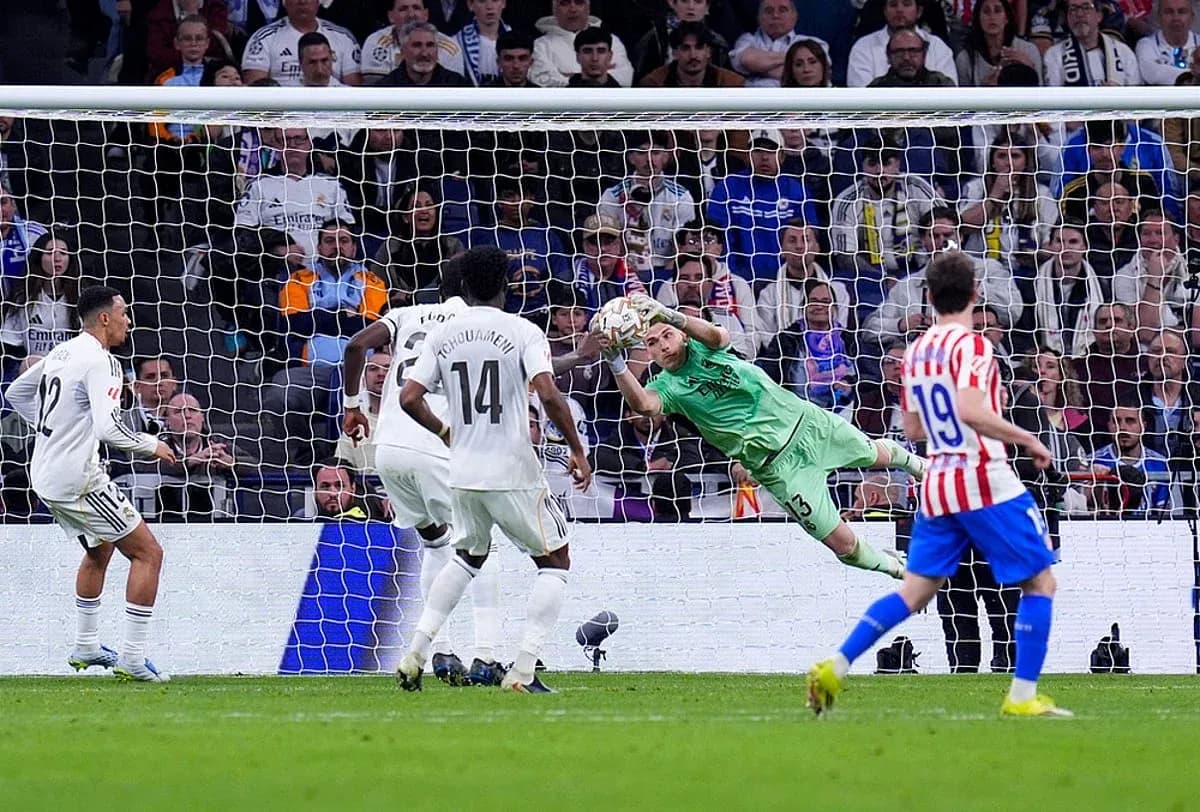
Getafe’s shield, however, has been statistically impressive. Overall they concede just 1.0 goal per match, and on their travels 1.2. D. Duarte has been one of La Liga’s more combative centre-backs, with 16 blocked shots this season, while Djené’s profile – 10 yellow cards, 2 reds, 37 interceptions and 10 blocks – screams of a defender who lives on the edge of legality to keep the box clean. In this match, that trio plus L. Milla dropping in front of them formed a blue wall that for long stretches limited Elche to half-chances and set-piece skirmishes.
The decisive moment, though, came when Elche managed to overload one flank, drag the Getafe line laterally and find a channel run that broke the geometry of the five-man defence. The 1–0 lead at half-time, with the scoreboard reading 1–0 at 45+4', changed the match-state entirely: from then on, Elche could lean into their defensive numbers at home – 1.0 goal conceded per match – and invite Getafe to do what they least enjoy: chase the game.
With Febas suspended, the “engine room” duel tilted towards one man: Luis Milla. Heading into this game, Milla had 10 assists in La Liga, built on 1352 passes (79 key passes) and a 77% accuracy rate. He is both metronome and needle for Getafe, equally capable of setting tempo and threading the rare line-breaking pass that turns a 5-3-2 from purely reactive into something more ambitious.
Opposite him, Elche’s solution was collective. M. Aguado sat as the nominal pivot, G. Villar offered vertical passing and half-space movement, and G. Diangana drifted between the lines, trying to drag Milla away from his comfort zone. The absence of Febas’ dribbling and duel-winning meant Elche could not dominate the ball through sheer individual superiority; instead, they used the width of Tete Morente and G. Valera to stretch Getafe’s midfield three, forcing Milla to cover wider lanes and limiting his ability to dictate from the centre.
In the duels, Milla’s defensive numbers – 56 tackles, 7 blocked shots and 42 interceptions this season – were on show as he repeatedly stepped in front of passes into Andre Silva’s feet. But once Elche scored, the geometry shifted: Getafe’s midfield had to push higher, and Elche’s wing-backs could spring into the space behind, turning the engine-room battle into a transition game that suited the hosts’ home profile.
Statistical prognosis and tactical verdict
Following this result, the numbers underline the story. Elche’s overall goal difference of -8 is still negative, but the home split – 30 scored, 19 conceded – is that of a mid-table side, not a relegation struggler. Their 8 home clean sheets heading into this fixture framed the 1–0 as a logical extension: once they get in front at the Martínez Valero, they are structurally equipped to close the door.
Getafe, for their part, remain a paradox: 14 wins and 11 clean sheets overall, yet only 31 goals scored across 37 matches. On their travels, 14 goals in 19 games is not enough to reliably overturn deficits, especially against a side as secure at home as Elche. Even without explicit xG data, the pattern is clear: a low-volume attack running into a home defence that concedes just 1.0 goal per game is statistically likely to produce a narrow defeat when the first goal goes against them.
Tactically, Sarabia’s 3-5-2 outmanoeuvred Bordalas’ 5-3-2 by winning the wide corridors and managing game-state ruthlessly after the opener. The absences of Febas and Petrot forced Elche to reimagine their midfield, but the back three of Chust, Affengruber and Bigas – anchored by Dituro – absorbed Getafe’s limited pressure with composure.
In the end, this was a match where structure, home advantage and defensive reliability converged. Elche leaned into what they do best at the Martínez Valero, and Getafe’s chronic scoring issues away from home meant there was no late twist – only the quiet, methodical closing of a vital 1–0.