Australia Dominates England as Beardman Shines in ODI Debut
Scoreboard:
England 131 all out (33.4 overs): Atkinson 29*; Beardman 6-24
Australia 132-3 (23.3 overs): Marsh 50, Connolly 27
Australia won by seven wickets
Perth has a long memory, and England keep feeding it fresh material.
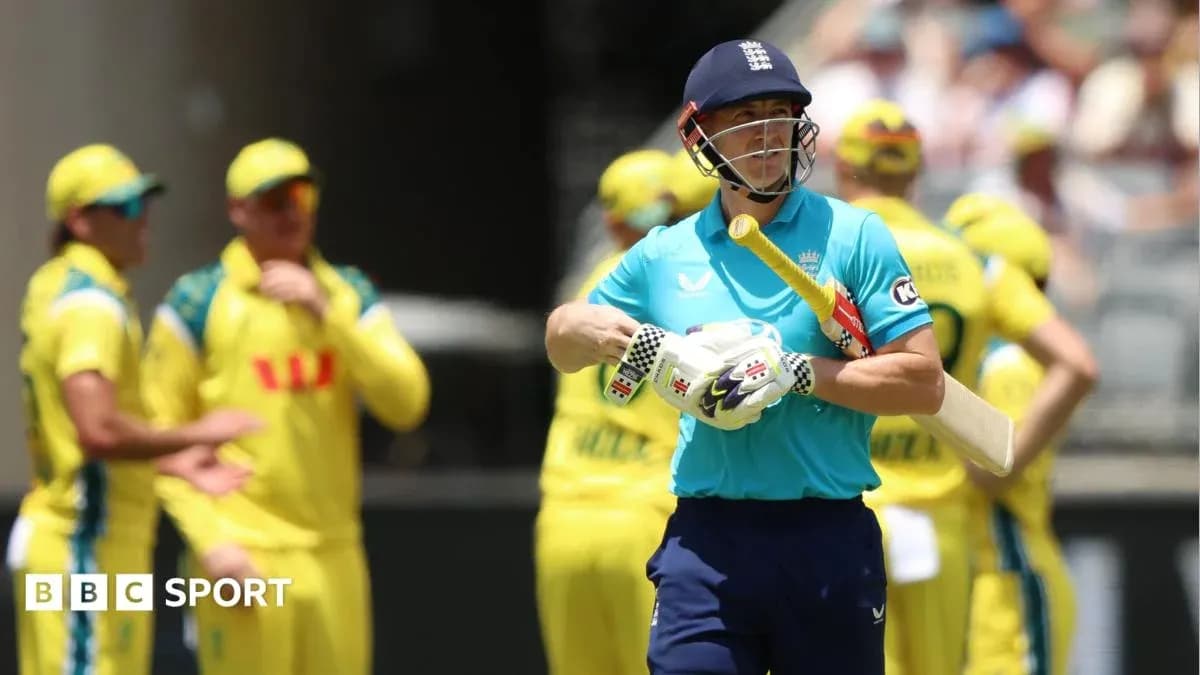
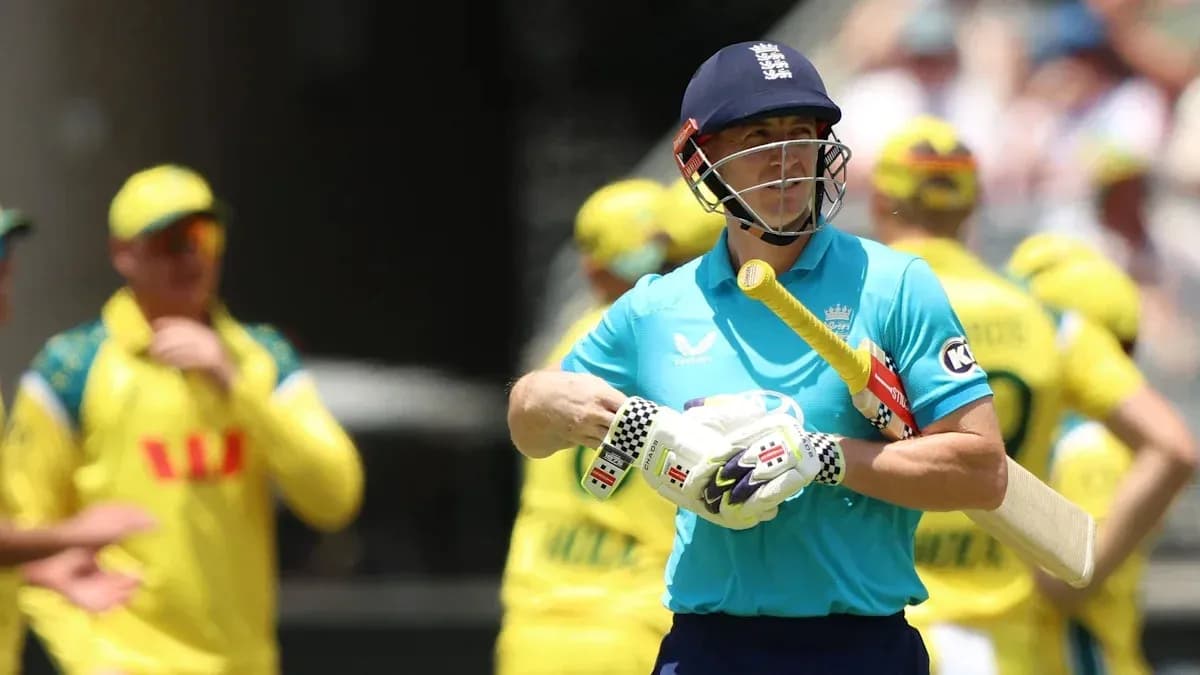
On the same strip of Western Australian turf that shredded their Ashes hopes last year, Harry Brook’s England side were routed for 131 and brushed aside by seven wickets in the first one-day international. The sandpaper scandal rumbled on in the background, but the real story belonged to a 21-year-old quick with a clean ball and a ruthless streak.
Mahli Beardman, on ODI debut, ripped through England with 6-24. He bowled fast, hit the seam, and left a supposedly rebuilding batting unit in pieces inside 34 overs.
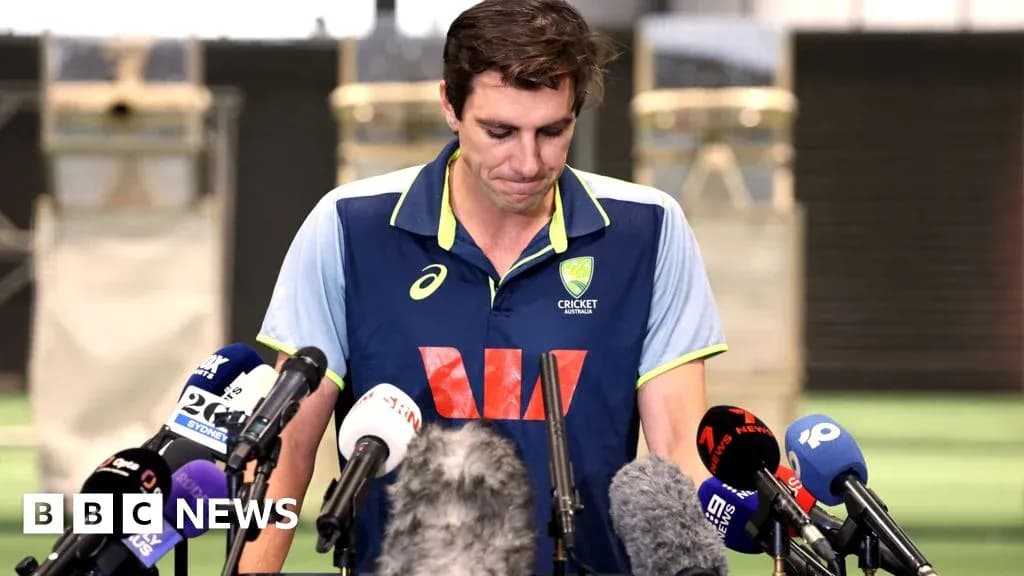
This was meant to be England’s chance to twist the knife while Australia argued among themselves about Cape Town, Pat Cummins and Usman Khawaja’s book. Instead, they became the perfect diversion.
Beardman storms the stage
Beardman’s first international wicket set the tone. Brook, the man asked to lead this new-look side, fiddled at one outside off in the quick’s second over and nicked behind. A nervous debut can drift, but Beardman went the other way. He tightened his line, cranked up the pace and started dismantling England’s top order.
Joe Root, the one pillar of experience, was his second victim. On 17 and trying to drive on the up, Root found a thick edge. Same length, same temptation, same mistake that scarred England’s Ashes start here a year ago.
By the time Beardman finished his opening burst, his figures read 5-18 from five overs. Root, Brook, Tom Banton, Jordan Cox and Sam Curran all gone, all beaten by a mix of extra bounce, sharp movement and poor judgment. Later, he returned to remove Liam Dawson and Jofra Archer and complete the best figures by an Australian on ODI debut.
He regularly pushed past 90mph. He used the deck, went full, then banged it in short. There was nothing complicated about the plan; the execution was simply too good for an England side that never came to grips with Perth’s pace.
Xavier Bartlett backed him up impressively with the new ball, and Spencer Johnson’s left-arm angle accounted for Duckett, Jamie Overton and Will Jacks. Australia’s first-choice trio of Cummins, Mitchell Starc and Josh Hazlewood were resting, their roles in the old Cape Town saga dragged back into the spotlight this week. Beardman, Bartlett and Johnson made sure nobody missed them.
Old ghosts, same mistakes
If this felt familiar, that’s because it was.
Banton drove with his feet rooted and edged. Duckett sliced Johnson to backward point. Both dismissals could have been lifted straight from the opening exchanges of the last Ashes. Different format, same city, same trap.
England cannot claim they were undercooked this time. They have been in Australia long enough. They knew what Perth offers: pace, bounce, and punishment for loose drives. They still went chasing.
Brook at least received a good ball. Root’s dismissal came from a driveable length, but the shot was high-risk on this surface. Cox’s tentative prod for two only underlined how unsure England’s newer faces looked. Curran’s long-standing vulnerability to the short ball was exposed again when he top-edged a hook to fine leg for a seven-ball duck.
From 65-8, the innings was already broken. Jacks countered briefly with 25, and Gus Atkinson swung freely for 29 not out, hitting the only six of the innings. Those late blows dragged England past 100 but did nothing to disguise the scale of the collapse.
This was the 15th time in 29 ODIs under Brendon McCullum that England have been bowled out, 11 of those when batting first. The old “we’ll just go harder” mantra has softened, as Michael Vaughan noted on Test Match Special, yet the basic errors remain.
On a surface where 230 or 250 would have been competitive, England barely reached halfway.
Marsh hammers home the advantage
Once Beardman and company had done the damage, the chase never looked anything but a procession.
Travis Head, who demolished England in Perth a year ago, dragged on first ball. That was as good as it got for the visitors. Australia simply shrugged and sent out the captain.
Mitchell Marsh walked in and turned the game into a statement. On his home ground, with questions about ball tampering dodged in his press conference the previous day, he chose the bat as his answer. He clubbed a 29-ball fifty, launching four sixes over the leg side and treating the same pitch that tormented England as a scoring strip.
Where England pushed uncertainly at length, Marsh trusted the bounce, picked his spots and cashed in. The difference in tempo was stark. He turned a potentially awkward chase into a training run.
Cooper Connolly added a composed 27, and after both fell, Josh Inglis and Matthew Renshaw simply eased Australia to the line. They took their time, but Australia still got home with 26.3 overs to spare. Only twice before have they beaten England with more balls unused.
The match finished quietly, almost clinically, in front of a crowd more interested in the scoreboard than the noise around Cape Town. The scandal talk will roll on. Warner’s accusation that Cummins “threw Khawaja under the bus” will fuel another few days of headlines. But inside the rope, the most important development was far more straightforward.
Australia have found another fast bowler who looks ready for the big stage.
England already under pressure
For England, this was more than a bad day. It was a warning.
They arrived in this series off damaging defeats to Pakistan and Sri Lanka in a tri-series last month. They are trying to build towards next year’s World Cup, to retool a white-ball side that has lost its edge. Instead, they have stumbled straight back into old habits on a ground that has already scarred them once.
The second ODI in Adelaide on Sunday now carries a weight that a three-match series rarely should. This is no longer just about fine-tuning. It is about proving they can adapt, think on their feet and survive when conditions bite.
Perth exposed them again. Adelaide will reveal whether they have the resilience – and the nerve – to respond.