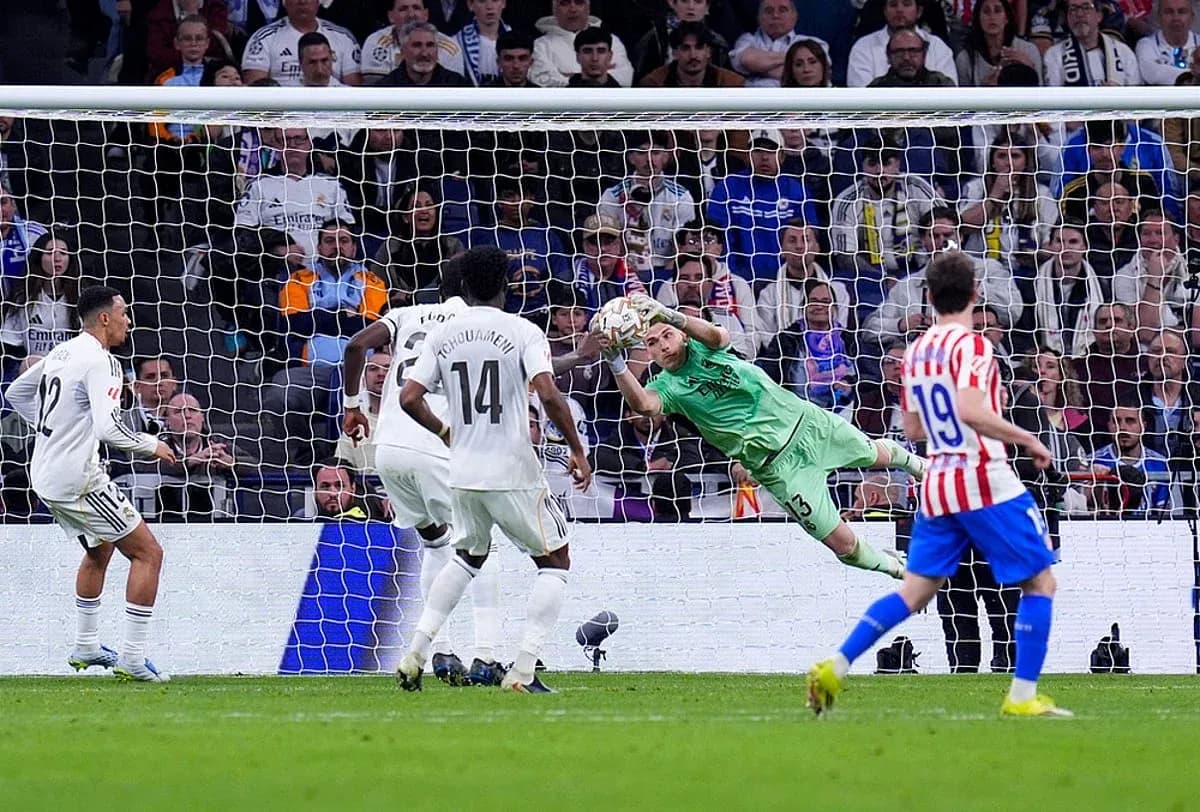
Barcelona vs Real Madrid: Key Clásico with Title Implications
With La Liga in 2025 entering Regular Season - 35 at Camp Nou, this clásico carries direct title-race weight: Barcelona lead the league phase in 1st place with 88 points, while Real Madrid chase from 2nd on 77 points. A home win would all but seal the championship for Barcelona in 2026; anything else reopens the door for Real Madrid over the final three rounds.
Head-to-Head Tactical Summary
The recent meetings show a high-tempo, chance-heavy rivalry across competitions. On 11 January 2026 in the Super Cup Final at King Abdullah Sports City in Jeddah, Barcelona beat Real Madrid 3-2, with a 2-2 HT scoreline, underlining Barcelona’s ability to edge tight neutral-venue finals. On 26 October 2025 in La Liga at Estadio Santiago Bernabéu, Real Madrid won 2-1, leading 2-1 at HT, showing their capacity to control a league clásico at home.
On 11 May 2025 in La Liga at Estadi Olímpic Lluís Companys, Barcelona edged a 4-3 thriller after leading 4-2 at HT, highlighting their aggressive attacking approach but also defensive vulnerability in protecting leads. In the Copa del Rey Final on 26 April 2025 at Estadio Olímpico de Sevilla, Barcelona prevailed 3-2 after extra time: 1-0 at HT, 2-2 at FT, and 3-2 after 120 minutes, confirming their resilience over extended minutes. On 12 January 2025 in the Super Cup Final at King Abdullah Sports City in Jeddah, Barcelona beat Real Madrid 5-2, having led 4-1 at HT, the clearest example of Barcelona’s capacity to overwhelm Madrid in a one-off final.
Global Season Picture
- League Phase Performance: In the league phase, Barcelona’s dominance is built on volume and efficiency: 88 points from 34 matches, with 89 goals for and 31 against. Their home record is perfect (17 wins from 17, 52 goals for and 9 against), making Camp Nou a decisive asset. Real Madrid’s league phase is strong but less overwhelming: 77 points from 34 games, with 70 goals for and 31 against. Away from home they have 10 wins, 4 draws, 3 losses, scoring 31 and conceding 17, a solid but not invulnerable away profile.
- All-Competition Metrics: Across all phases of the competition, Barcelona’s attack is explosive (2.6 goals per match, 89 total) with a high-output home attack (3.1 per game) and strong away scoring (2.2 per game). Defensively they are generally stable (0.9 goals conceded per match, 31 total), especially at home (0.5 per game), though they allow more away (1.3 per game), which fits the open nature of their recent clásicos. Their clean-sheet count across all phases (14) and zero matches failed to score underline a consistently dangerous attack and a mostly reliable back line. Card data show most yellows arriving between 46-60 and 76-90 minutes, indicating increased aggression as matches evolve.
- Form Trajectory: In the league phase, Barcelona’s form string “WWWWW” reflects five straight wins, a peak run at the decisive moment of the title race. Real Madrid’s “WDWDL” points to a more uneven recent stretch: still competitive but dropping points twice in the last five, which has allowed Barcelona to build an 11-point cushion before this clásico. Across all phases, Barcelona’s longer form string shows extended winning streaks with very few interruptions, while Real Madrid’s all-competition form mixes long winning runs with short clusters of draws and occasional losses, consistent with a strong but slightly less stable contender.
Tactical Efficiency
Across all phases of the competition, Barcelona’s attacking efficiency is reflected in their goal averages: 2.6 goals per match overall, with a ceiling of 6 goals at home and 5 away in single games. They have not failed to score once, which points to a consistently high xG profile even if the exact xG values are not provided. Defensively, conceding 0.9 per match with 14 clean sheets suggests a compact structure at home (0.5 conceded per game) but a more open, risk-accepting approach away (1.3 conceded per game). Their typical use of 4-2-3-1 and 4-3-3 supports a possession-heavy, high-press style that converts territorial control into chances and goals.
Real Madrid, across all phases, combine a strong attack (2.1 goals per match, 70 total) with a similarly tight defense (0.9 conceded per match, 31 total) and 12 clean sheets. Their away averages (1.8 scored, 1.0 conceded) show a more balanced, slightly more conservative approach than Barcelona’s. Multiple formations (4-4-2, 4-2-3-1, 4-3-3 and others) indicate tactical flexibility: they can match Barcelona’s attacking shapes or shift into more compact blocks. Both teams are perfect from the spot (Barcelona 7/7 penalties, Real Madrid 12/12), so any penalty in this fixture is likely to be converted, enhancing the value of box entries and dribblers.
Without explicit numeric attack/defense indices from the comparison block, the effective “Attack Index” tilts towards Barcelona at home: higher scoring rate (3.1 per home game) and zero home failures to score. The effective “Defense Index” is nearly level in raw concessions (both at 0.9 per match across all phases), but Barcelona’s home defensive numbers (0.5 conceded) and Real Madrid’s solid away concessions (1.0) suggest a clash between the league’s most dominant home unit and one of its most resilient away defenses. Any pre-calculated win/draw/loss probabilities in the comparison data would be expected to lean towards a Barcelona home win, but with a non-trivial probability of a draw or narrow Real Madrid win given Madrid’s away resilience and recent 2-1 league win at Bernabéu.
The Verdict: Seasonal Impact
From a seasonal perspective, this clásico is a potential title decider. A Barcelona win at Camp Nou would push them to 91 points with three rounds left, effectively placing Real Madrid out of realistic reach given the existing 11-point gap and Barcelona’s perfect home record in the league phase. It would validate Barcelona’s all-phases attacking model and consolidate their status as champions-in-waiting in 2026.
A draw would still heavily favor Barcelona: they would maintain an 11-point lead with only three matches remaining, turning the final weeks into a formality and shifting Real Madrid’s focus fully to consolidating second place and planning for the Champions League league phase. Only a Real Madrid win meaningfully reopens the race: cutting the gap to 8 points with three to play still leaves Barcelona strong favorites, but it would apply pressure on their away fixtures and test whether their away defensive average (1.3 conceded per match across all phases) can hold under stress.
In strategic terms, this match is less about Champions League qualification—both are already on course for promotion to the Champions League league phase—and more about legacy and psychological leverage. A Barcelona victory would cap a dominant league phase and extend their recent edge in finals and high-stakes clashes. A Real Madrid win, especially at Camp Nou against a side with 17 home wins from 17 in the league phase, would not only keep mathematical title hopes alive but also reset the narrative ahead of 2027, proving they can puncture Barcelona’s home invincibility and reshaping the competitive balance for the next cycle.