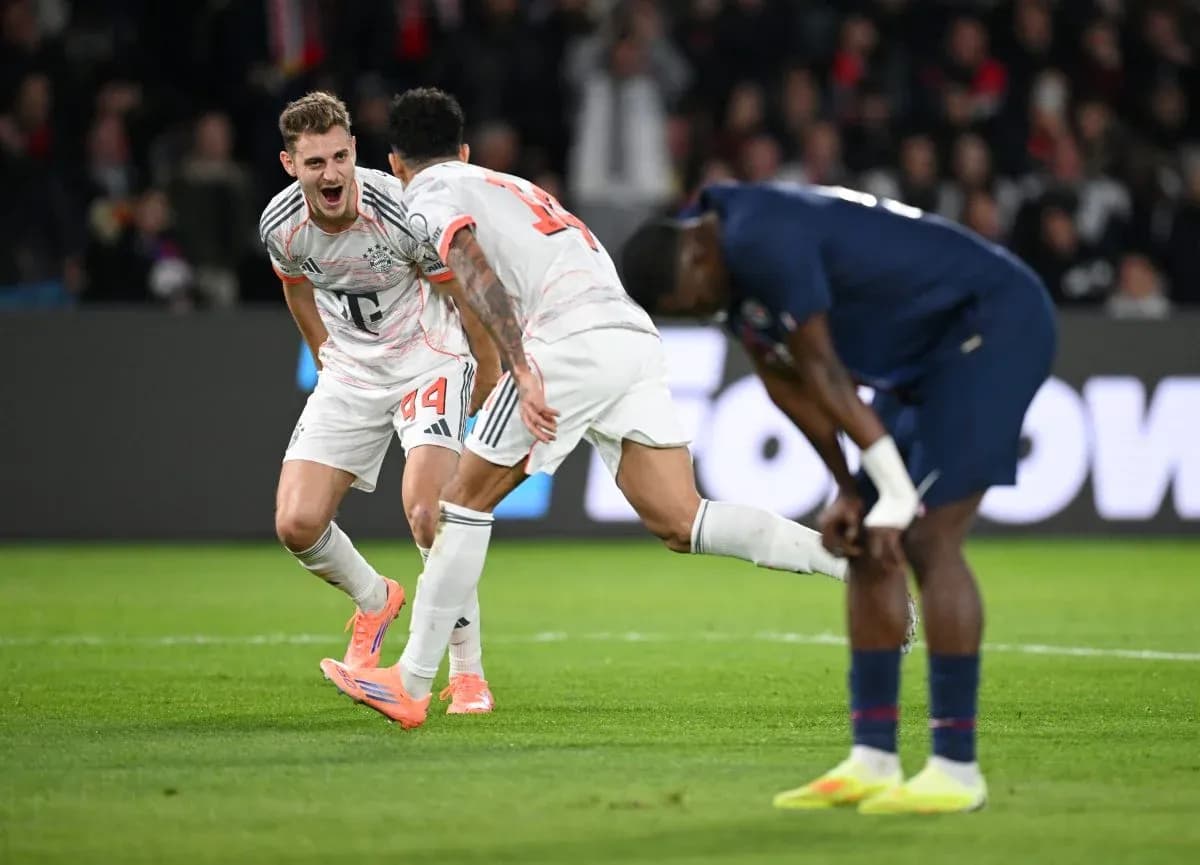
Bayern München vs Paris Saint Germain: Champions League Semi-Final Preview
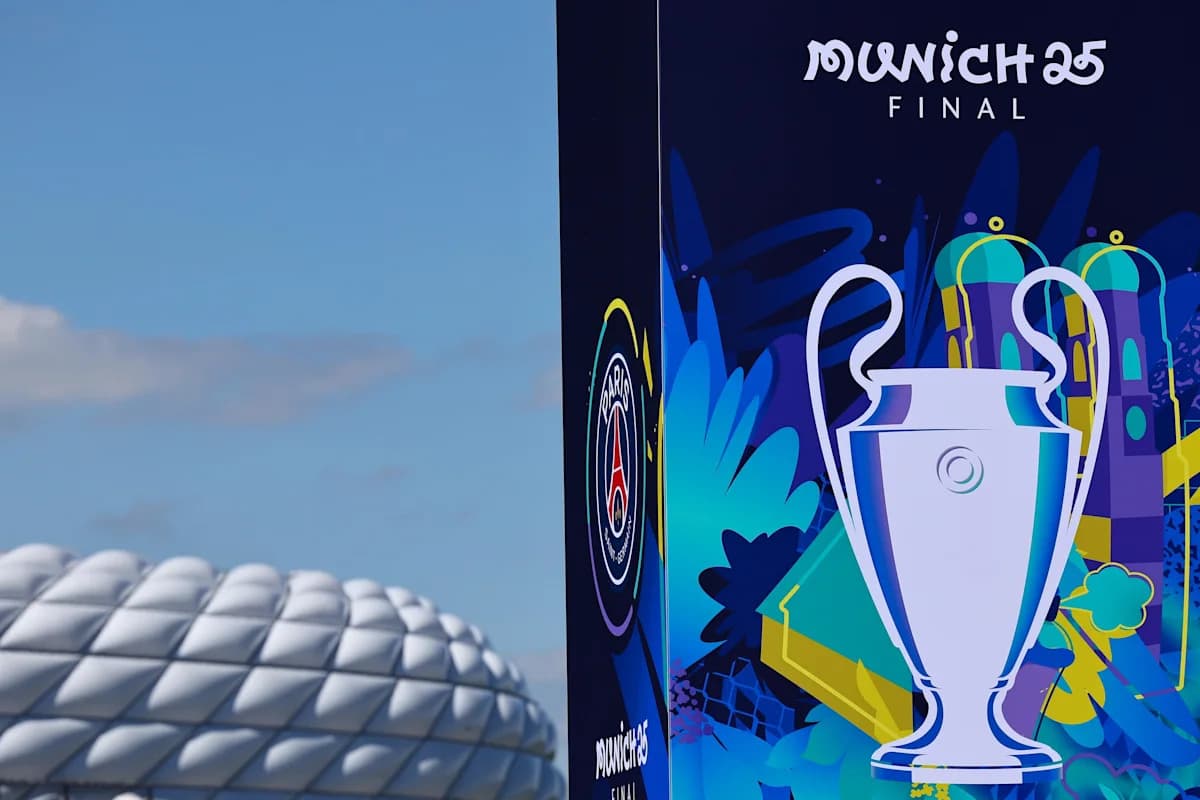
Parc des Princes hosts another European heavyweight clash in late April 2026 as Paris Saint Germain welcome Bayern München for the first leg of a UEFA Champions League semi‑final. A place in the 1/4 final is no longer the prize here; this is about reaching the showpiece itself, but both sides arrive with league‑style form lines and numbers that frame the narrative.
In the league this season, Bayern have been the benchmark. They sit 2nd in the overall Champions League standings with 21 points from eight matches, winning seven and losing just once, with a goal difference of +14 (22 scored, 8 conceded). Paris Saint Germain, by contrast, are 11th with 14 points from their eight games, four wins, two draws and two defeats, and a goal difference of +10 (21 scored, 11 conceded). PSG’s route has been more uneven, Bayern’s almost machine‑like.
Form and momentum
Across all phases of this Champions League season, both sides boast identical attacking output: 38 goals each. The difference is in the paths taken.
PSG’s form line of “WWWLWDLDWDWWWW” tells the story of a side that has grown into the competition. They have played 14 matches, winning nine, drawing three and losing only two. At Parc des Princes they have been particularly strong: seven home fixtures, four wins, two draws and just one defeat, scoring 20 and conceding 10. They average 2.9 goals for and 1.4 against per home game, suggesting that matches here tend to be open and tilted in their favour.
Bayern’s “WWWWLWWWWWWW” is even more emphatic. They have played 12 Champions League matches across all phases, winning 11 and losing only once, with no draws. Home and away, the pattern is relentless: six wins from six at home, five wins from six away. They average 3.3 goals for and 1.0 against at home, 3.0 for and 1.3 against away. This is an attack that travels, and a team that does not alter its ambition on foreign soil.
Clean sheets are another point of contrast. PSG have managed five in total (two at home, three away), while Bayern have just two, both at home. The German champions have yet to shut out an opponent away in this campaign, even as they keep winning. That balance – Bayern’s irresistible away attack against PSG’s prolific but occasionally porous home defence – is likely to define the rhythm of this first leg.
Tactical battle: structures and stars
The data underlines clear tactical identities. PSG have lined up in a 4‑3‑3 in all 14 of their Champions League games, while Bayern have been wedded to a 4‑2‑3‑1 in all 12. This suggests continuity in both camps: Luis Enrique (or his successor) leaning on width and a three‑man midfield, and Bayern’s coach building around a lone striker with a creative band behind.
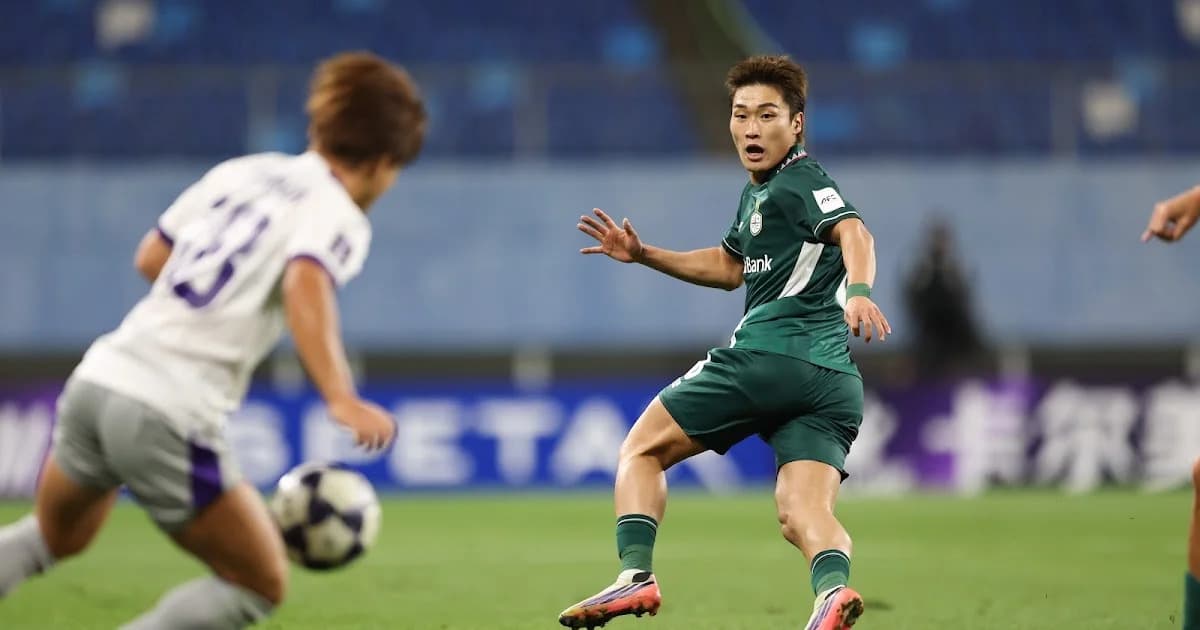
For PSG, Khvicha Kvaratskhelia has been the headline act in Europe. The Georgian attacker has eight goals and five assists in 13 appearances, with an impressive 7.67 average rating. He has produced 26 shots (14 on target) and 16 key passes, and his duel numbers (135 contested, 65 won) and 38 dribbles attempted show how much of PSG’s ball progression flows through him. In a 4‑3‑3, he is the natural outlet to attack Bayern’s full‑backs one‑v‑one and force the German side’s aggressive back line to turn.
Vitinha offers the control and thrust from midfield that makes PSG’s shape work. The Portuguese midfielder has six goals and one assist, but his passing numbers are even more striking: 1,463 passes at 93% accuracy, with 16 key passes. He has started all 14 games and played 1,259 minutes, the metronome in the centre. His ability to evade Bayern’s first press and connect with Kvaratskhelia and the front line will be central to PSG’s ability to escape pressure and create high‑quality chances.
Désiré Doué adds another dimension between the lines. With five goals and two assists in 10 appearances (six starts), plus 25 key passes and 40 dribble attempts, he is a high‑impact, high‑risk carrier. In a home semi‑final, he can help overload the half‑spaces around Bayern’s double pivot, forcing the visitors’ centre‑backs and full‑backs into difficult decisions.
For Bayern, everything in the final third still orbits Harry Kane. The England striker is the competition’s standout scorer with 12 goals and one assist in 11 appearances, averaging a 7.95 rating. He has 32 shots (21 on target), 13 key passes and 282 total passes at 79% accuracy – evidence of a centre‑forward who both finishes and links. Crucially, his penalty record in this campaign is not flawless: he has scored three spot‑kicks but also missed one. PSG’s defenders will know that any clumsy challenge in the box is likely to be punished, but the numbers also remind us that he is not infallible from 12 yards.
Luis Díaz, operating from the left or as an advanced midfielder, is Bayern’s second major threat. Six goals and three assists in 10 appearances, 20 key passes and 37 dribbles attempted (21 successful) underline his dual role as creator and scorer. His ability to isolate PSG’s right‑back and attack inside onto his stronger foot will be a constant concern for the hosts.
Bayern’s 4‑2‑3‑1, with Kane as the reference point and Díaz among the supporting cast, is designed to flood the central and half‑space zones just outside the box. Against a PSG side that averages 1.2 goals conceded per game across all phases, that pressure can be decisive if the French side’s midfield screen is not perfectly calibrated.
Discipline, tempo and small margins
Card data hints at how this contest might feel. PSG’s yellows are clustered late (three between minutes 76–90 and two in added time), suggesting they can become stretched and reactive as matches wear on. Bayern’s pattern is similar but more pronounced: nine yellow cards between minutes 76–90, the period when they often push hardest to kill games off. Both teams have seen red – PSG twice, Bayern twice – which adds a layer of jeopardy in a high‑intensity semi‑final.
From the spot, both teams are strong collectively. PSG have scored their only penalty taken this season, while Bayern are 3/3 as a team. But individual data matters: Vitinha has one scored and one missed, so he cannot be described as perfect from the spot, and Kane’s one miss shows that even the elite can falter under pressure.
Head‑to‑head: Bayern’s edge, PSG’s recent response
The last five competitive meetings between these clubs, all in European competition, show Bayern with the upper hand.
- In November 2025 at Parc des Princes, Bayern won 2‑1 in the Champions League league stage, leading 2‑0 at half‑time and holding on despite a PSG response.
- In July 2025 at the FIFA Club World Cup quarter‑finals in Atlanta, PSG beat Bayern 2‑0, a notable neutral‑venue win that broke a run of defeats.
- In November 2024 in Munich, Bayern won 1‑0 in the Champions League league stage.
- In the 1/8 final of the Champions League in 2023, Bayern won both legs: 1‑0 in Paris and 2‑0 in Munich.
Across these five competitive fixtures, Bayern have four wins, PSG one, with no draws. Bayern have won both of their last two visits to Parc des Princes in Europe, each time by a single goal margin, while PSG’s only recent success came on neutral ground.
The verdict
The numbers point towards a high‑level, high‑tempo first leg in Paris. Bayern arrive with the more convincing Champions League record in 2025: 7 wins from 8 in the league phase, 11 from 12 across all phases, and an away attack averaging three goals per game. They have dominated the recent head‑to‑head, particularly in knockout‑style ties, and possess the competition’s most prolific striker in Harry Kane.
PSG, however, are a different proposition at home. They score freely at Parc des Princes, rarely fail to find the net, and have a creative trio in Kvaratskhelia, Vitinha and Doué capable of unsettling Bayern’s back line, which has yet to keep an away clean sheet in this campaign. Their 4‑3‑3 structure, if it can control Bayern’s transitions and protect the spaces around the box, has enough technical quality to tilt the first leg in their favour.
On balance, Bayern’s greater consistency and their recent psychological edge in this rivalry suggest they may emerge with a slight advantage over the tie as a whole. But the specific dynamics of this match – PSG at home, Bayern’s open away profile, and the attacking talent on both sides – point towards a tight, high‑quality contest in which both teams are likely to score and the margin is likely to be a single goal either way.
The semi‑final should therefore open with a finely poised first leg: Bayern marginal favourites over two games, but PSG with a very real chance to seize the initiative in Paris.