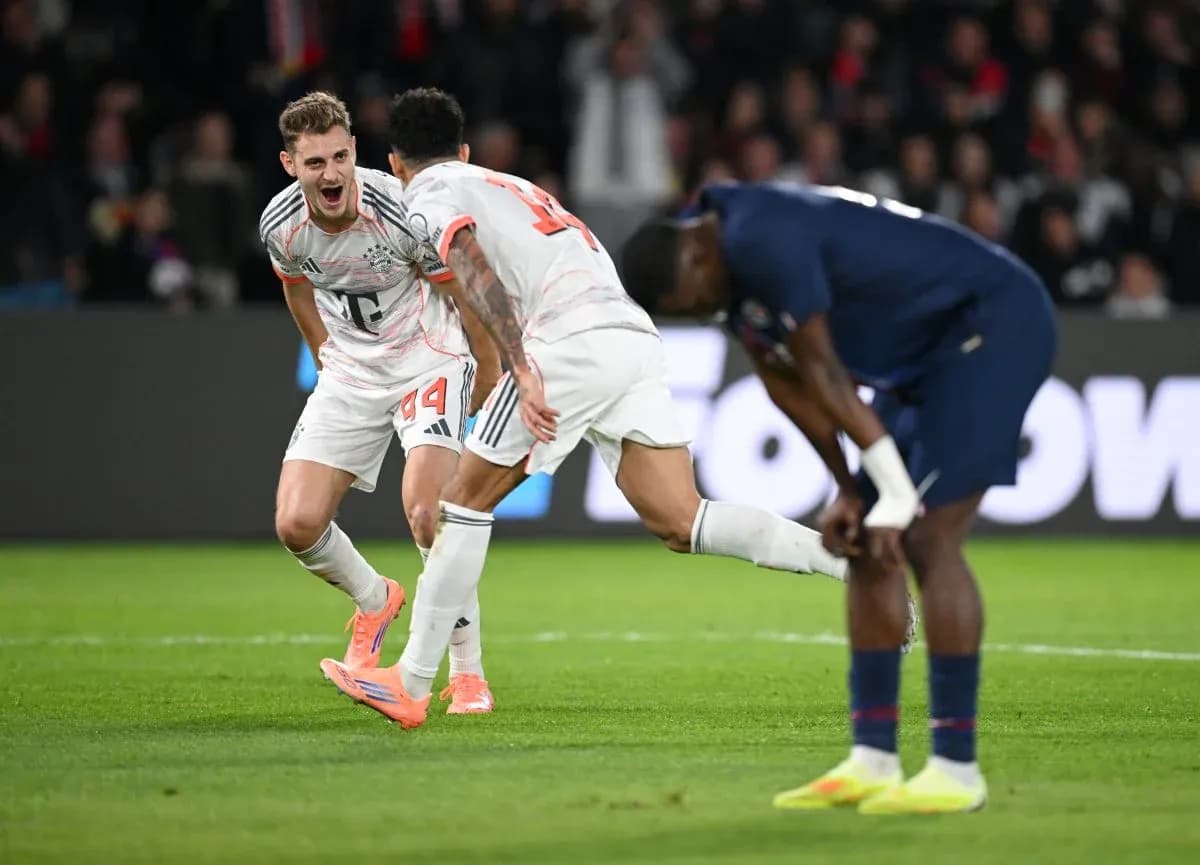
PSG vs Bayern: Champions League Semi-Final Preview
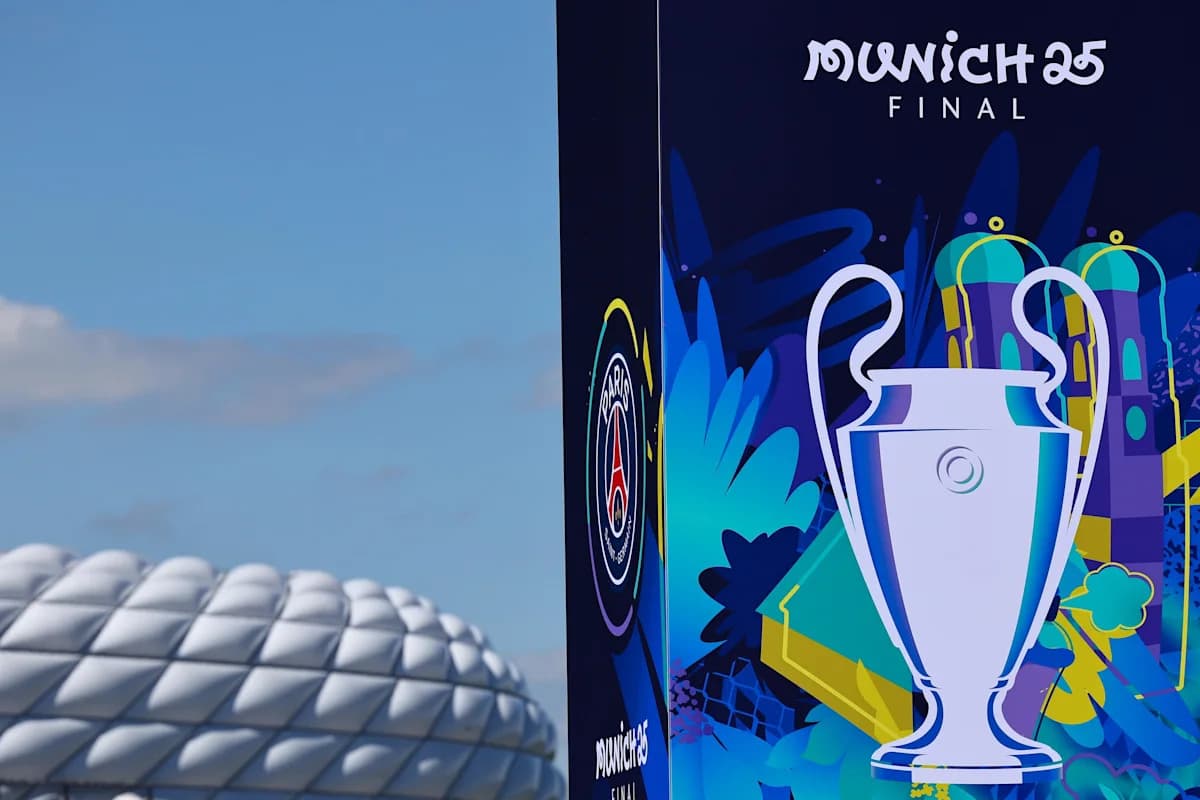
At Parc des Princes in 2026, Paris Saint Germain host Bayern München in a UEFA Champions League semi-final that will heavily shape the narrative of their entire continental year. In the league phase, Bayern arrived as a dominant force, ranked 2nd with 21 points from 8 matches and a strong +14 goal difference (22 goals for, 8 against), already assured of the 1/8 final route. Paris Saint Germain, ranked 11th with 14 points and a +10 goal difference (21 goals for, 11 against), came through the league phase via the 1/16 final path. That gap in league-phase performance raises the stakes for PSG: this tie is both a shot at a first Champions League title in this cycle and a chance to overturn Bayern’s superior league-phase profile, while for Bayern it is a validation test of their status as one of the two best teams in the competition so far.
Head-to-Head Tactical Summary
The recent head-to-head pattern is tight and high-level, with both sides winning key knockout and league-stage clashes.
On 4 November 2025 at Parc des Princes in the Champions League league stage, Bayern München beat Paris Saint Germain 2-1. Bayern led 2-0 at half-time and managed the game out despite PSG pulling one back for a 2-1 full-time scoreline.
On 5 July 2025 at Mercedes-Benz Stadium in Atlanta in the FIFA Club World Cup quarter-finals, Paris Saint Germain won 2-0 against Bayern München, with a 0-0 half-time score and PSG finding two unanswered goals after the break to knock Bayern out.
On 26 November 2024 at Allianz Arena in the Champions League league stage, Bayern München defeated Paris Saint Germain 1-0, leading 1-0 at half-time and maintaining that margin through full time in a controlled, low-scoring home performance.
In the 2023 Champions League 1/8 final, Bayern eliminated PSG over two legs. On 8 March 2023 at Allianz Arena, Bayern Munich beat Paris Saint Germain 2-0, with 0-0 at half-time before Bayern pulled away in the second half. On 14 February 2023 at Parc des Princes, Bayern Munich won 1-0 against PSG, with a 0-0 half-time score and a single Bayern goal deciding the first leg.
Tactically, these meetings show Bayern often comfortable in controlled, low-scoring wins in Munich (2-0, 1-0) and capable of disciplined away victories in Paris (1-0, 2-1), while PSG’s standout success came on neutral ground in Atlanta with a 2-0 win built on a strong second-half surge. The pattern suggests Bayern are adept at suppressing PSG’s attack in knockout contexts, while PSG need a more expansive, risk-taking approach to break Bayern’s structure.
Global Season Picture
- League Phase Performance: In the league phase, Paris Saint Germain finished ranked 11th with 14 points from 8 matches, scoring 21 goals and conceding 11 (goal difference +10). Their home record in this phase was 2 wins, 1 draw, 1 loss with 11 goals for and 6 against, indicating a strong but not flawless home attack. Bayern München finished ranked 2nd with 21 points from 8 matches, scoring 22 goals and conceding 8 (goal difference +14). Their away league-phase record was 3 wins and 1 loss with 10 goals scored and 6 conceded, underlining a powerful attack and relatively solid but occasionally vulnerable away defense.
- All-Competition Metrics: Across all phases of the competition, Paris Saint Germain have played 14 matches (7 home, 7 away), winning 9, drawing 3, and losing 2. Their attack has been highly productive, averaging 2.7 goals per match overall (38 goals: 20 at home, 18 away), while conceding 1.2 goals per match (17 total, 10 at home, 7 away). This points to a proactive, attack-first approach with a strong scoring output (2.7 goals per game) and a reasonably secure but occasionally exposed defense (1.2 goals conceded per game). They have 5 clean sheets and have failed to score only once, suggesting that in most game states they can create and convert chances consistently. Bayern München, across all phases, have played 12 matches (6 home, 6 away), winning 11 and losing just 1, with no draws. Their attack is even more explosive, averaging 3.2 goals per match (38 goals: 20 at home, 18 away), while conceding 1.2 goals per match (14 total, 6 at home, 8 away). This combination of a very high scoring rate (3.2 goals per game) and a similar concession rate (1.2 per game) indicates an aggressive, front-foot side that still maintains a relatively controlled defensive baseline. Both teams show disciplined penalty execution across all phases, with PSG scoring 1 out of 1 and Bayern 3 out of 3.
- Form Trajectory: In the league phase, Paris Saint Germain’s form string of DLDWL reflects inconsistency: two draws, two defeats, and just one win in their last five league-phase fixtures. That pattern suggests volatility in performance and results, with the team oscillating between strong attacking displays and dropped points. Bayern München’s league-phase form of WWWLW shows a far more stable high level, with four wins and one loss in their last five league-phase matches. This trajectory underlines Bayern’s ability to sustain intensity and result-getting over time, whereas PSG enter the semi-final with a more uneven league-phase base but stronger overall form when all phases are considered.
Tactical Efficiency
Across all phases of the competition, both teams present elite attacking profiles, but Bayern München hold a marginal edge in raw efficiency. Bayern’s 3.2 goals per match compared with PSG’s 2.7 indicates a more ruthless conversion of attacking pressure into goals. Defensively, both concede at a similar 1.2 goals per match, so the differential in overall efficiency is driven mainly by Bayern’s superior scoring rate.
Given this, any Attack/Defense Index derived from comparison models would likely rate Bayern’s attack slightly higher than PSG’s, with both defenses graded similarly. PSG’s biggest wins (4-0 at home, 2-7 away) across all phases show they can generate high-scoring, dominant performances when their 4-3-3 system clicks, but Bayern’s profile (home wins up to 4-0, away wins up to 1-6) suggests an even higher ceiling in transition and sustained pressure. Bayern’s lack of draws and 11 wins from 12 across all phases point to a team that converts game control into victories with high efficiency, while PSG’s 9 wins, 3 draws, and 2 losses from 14 show a strong but slightly less decisive edge.
Discipline-wise across all phases, PSG’s card distribution indicates a tendency to pick up yellows late (notably 76-90 minutes), which can affect closing phases of tight matches. Bayern similarly accumulate many yellows late in games (76-90), but with a record of only 2 clean sheets versus PSG’s 5, Bayern’s approach is more risk-accepting defensively, trusting their attack to outscore opponents rather than aiming for low-event control. Any index balancing attack and defense would therefore see Bayern as a high-attack, moderate-risk side, and PSG as a high-attack, slightly more balanced but less explosive unit.
The Verdict: Seasonal Impact
This semi-final has asymmetric but enormous seasonal implications. For Paris Saint Germain, who in the league phase sat 11th with 14 points and came via the 1/16 final path, eliminating a league-phase powerhouse like Bayern would redefine their 2026 Champions League campaign from solid to historic. It would show that their strong all-phase attack (2.7 goals per game across all phases) can scale against the elite, and it would set up a final where they could chase a first major continental triumph of this cycle. Failure to progress, given their more modest league-phase ranking and inconsistent league-phase form (DLDWL), would still be framed as par for their underlying league-phase profile, but it would extend the narrative of falling short against Bayern in key knockout ties.
For Bayern München, ranked 2nd in the league phase with 21 points and a +14 goal difference, this tie is a validation checkpoint. Their all-phase record of 11 wins from 12 and 3.2 goals per match demands a final appearance as a minimum benchmark. Progress to the final would confirm their status as the competition’s reference team and maintain momentum towards the title, reinforcing that their league-phase dominance translates into deep knockout success. An exit here, especially over two legs against a team that finished 11th in the league phase, would be a major underperformance relative to their statistical profile and would re-open questions about their ability to convert strong league-phase metrics into trophies.
Looking ahead, if PSG can leverage home advantage at Parc des Princes and exploit Bayern’s 1.2 goals conceded per match across all phases, they can tilt the tie by turning it into a high-variance, high-scoring contest where their own 2.7 goals-per-game attack can match or exceed Bayern’s. Bayern, conversely, will aim to reproduce their recent Paris results (1-0, 2-1 away wins) by controlling tempo, limiting PSG’s space, and trusting their superior scoring rate to find decisive moments. The seasonal impact is clear: for Bayern, anything short of the final undermines an otherwise elite campaign; for PSG, reaching the final would transform a solid but uneven league-phase run into one of their most significant Champions League years to date.