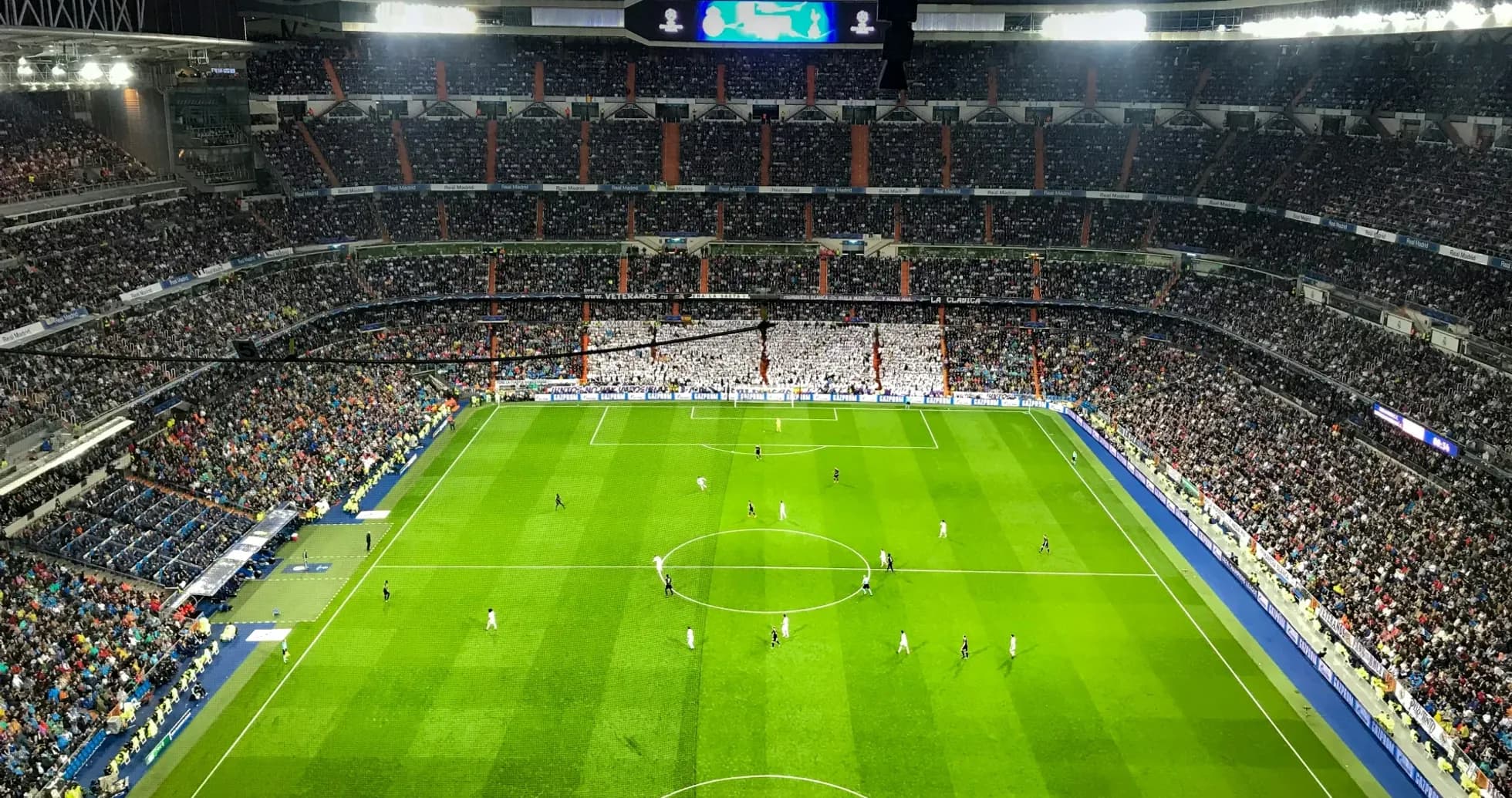
Bodo/Glimt vs Borussia Dortmund: Champions League Clash
The floodlights of Aspmyra Stadion will cut through the October darkness on 14 October 2026 as Bodo/Glimt welcome Borussia Dortmund in a UEFA Champions League league-phase clash that feels like a statement opportunity for both clubs. For the Norwegian champions, it is a chance to prove their explosive early continental form can translate against one of Europe’s established names. For Dortmund, starting from a statistical blank in this campaign, the trip north is about asserting hierarchy and avoiding an early stumble in a demanding league-style phase.
Season Context
Bodo/Glimt arrive in the league phase with momentum and ambition. Officially, they sit 8th in the overall League Phase table with 0 points from 0 matches, their goal difference still at 0 with 0 scored and 0 conceded. Yet the underlying picture from their broader Champions League sample suggests a team already tuned to this level, eager to convert recent promise into points when the formal league schedule begins in earnest.
Borussia Dortmund are listed 5th in the League Phase standings, also on 0 points from 0 games, with 0 goals scored and 0 conceded. The German side enter this campaign as a heavyweight with expectations of a deep run, but on paper they are starting from the same statistical ground zero as their hosts. That parity on the page belies the pressure on Dortmund to show their pedigree immediately in a competition where every league-phase fixture can shape knockout prospects.
Form & Momentum
Bodo/Glimt’s recent Champions League form reads “WWWD” in the standings, a run that underlines both consistency and cutting edge. Across those 4 matches, they have scored 0 goals and conceded 0 in the official league-phase ledger, but their broader competition record shows 12 goals in 4 games and only 6 conceded, an attacking return of 3.0 goals per match and a defensive record of 1.5 conceded per game. That blend of firepower and relative resilience supports the image of a side riding a strong wave of confidence (three wins and a draw in their last four Champions League outings).
For Borussia Dortmund, there is no recorded recent form string in the standings and no goals for or against in the current league-phase context. Their last-five metrics in the prediction model are flat at 0 for attack and defense, simply because no 2026 Champions League fixtures have been played yet. Momentum, then, is more historical and reputational than statistical: they arrive as an unknown quantity in this specific campaign, with their rhythm and sharpness in Europe yet to be measured on the numbers provided.
Head-to-Head Patterns
The recent history between these sides offers a tantalising hint of balance. On 10 December 2025, at Signal Iduna Park, Borussia Dortmund and Bodo/Glimt played out a 2-2 draw in the UEFA Champions League (League Stage - 6, season 2025). Dortmund led at half-time before being pegged back, with the final scoreline reading 2-2 (UEFA Champions League, season 2025, December 2025). That single competitive meeting in the data shows Bodo/Glimt are not overawed by the occasion or the badge, and it plants a seed of doubt for Dortmund: this is not a straightforward trip, even for a club of their stature.
Tactical Preview
Bodo/Glimt’s statistical profile paints the picture of a proactive, front-foot side. Their most used shape is a 4-3-3, deployed in 4 matches, and the numbers behind it are aggressive: 12 goals in 4 games, with an average of 3.0 per match, and only 6 conceded. They have yet to fail to score in those fixtures (0 games without a goal) and have kept 1 clean sheet, suggesting a team that accepts some defensive risk to maintain attacking volume. Players like J. Hauge, who has 1 goal and 3 assists from 4 appearances with an impressive rating of 8.23, and A. Helmersen, with 2 goals and 1 assist in 4 games, give them genuine cutting edge in the final third (a combined 3 goals and 4 assists).
In midfield, Bodo/Glimt can rotate between technical and energetic profiles, with options such as P. Berg and U. Saltnes anchoring or linking play, while wide players like J. Hauge and O. Didrik Blomberg stretch the pitch. The 4-3-3 structure supports high pressing and quick transitions, backed by a penalty record of 2 scored from 2, underlining their composure from the spot. Defensively, conceding 6 goals in 4 games across their broader sample hints at vulnerability when stretched, but their ability to outscore opponents has been a defining trait.
Borussia Dortmund’s tactical blueprint is less defined in the data for this campaign, with no recorded formations yet. However, their squad list speaks of flexibility and quality. At the back, the presence of G. Kobel in goal, along with defenders like N. Schlotterbeck, R. Bensebaïni and J. Ryerson, suggests a back line capable of both building from deep and defending space. In midfield, names such as J. Bellingham, M. Sabitzer and J. Veerman offer a mix of control, physicality and long-range threat, giving Dortmund options whether they choose a double pivot or a more adventurous trio.
Up front, S. Guirassy and M. Beier headline a forward unit that can play centrally or attack from wide areas, with Fábio Silva adding another dimension. Dortmund’s lack of recorded goals and matches in this Champions League edition makes their exact approach speculative within the provided numbers, but the squad profile fits a side comfortable in a 4-2-3-1 or 4-3-3, capable of dominating possession or striking in transition. The tactical tension lies between Bodo/Glimt’s high-tempo, attacking 4-3-3 and Dortmund’s deeper pool of individual quality and potential control.
Statistical Snapshot
- Competition: UEFA Champions League, season 2026 — 14 October 2026.
- Venue: Aspmyra Stadion, null.
- Prediction: null — No predictions available.
- Win Probabilities: Home 33% / Draw 33% / Away 33%.
- Model: Bodo/Glimt 50.0 — Borussia Dortmund 50.0.
Betting Verdict
With the prediction model offering no clear favourite and the win probabilities split evenly at 33% for each outcome, this fixture shapes up as a genuine toss-up on the numbers provided. Bodo/Glimt’s recent “WWWD” run and their 12 goals in 4 Champions League games suggest strong value as a dangerous home side, especially given the 2-2 draw they earned away at Signal Iduna Park in December 2025. Dortmund’s quality is undeniable, but their 2026 Champions League profile is statistically blank, making it harder to justify a heavy lean towards the visitors based purely on the data here. In this context, a cautious approach focusing on the possibility of another high-scoring, closely fought contest — with Bodo/Glimt capable of at least matching Dortmund — appears the most defensible analytical stance.