Bournemouth vs Manchester City: Tactical Duel in Premier League Clash
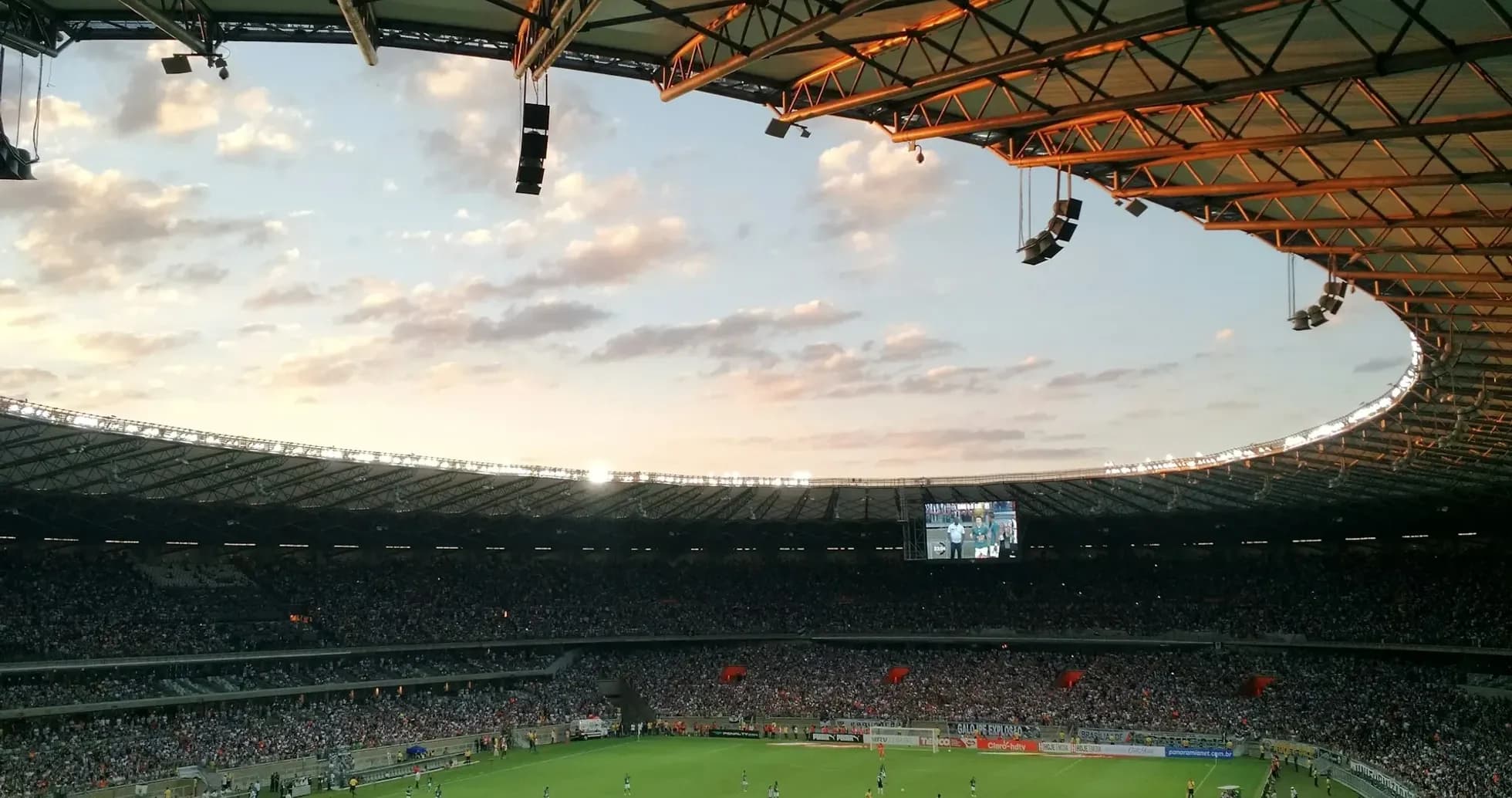
The Vitality Stadium under the late-season Bournemouth sky felt like a proving ground as Bournemouth and Manchester City walked out for this Premier League clash, deep into Regular Season - 37. The stakes were different but equally sharp: Bournemouth, improbably perched 6th with 56 points and a goal difference of 4, chasing Europa League football; City, in 2nd on 78 points with a towering goal difference of 43, still demanding perfection from themselves even when the title race is tight or gone.
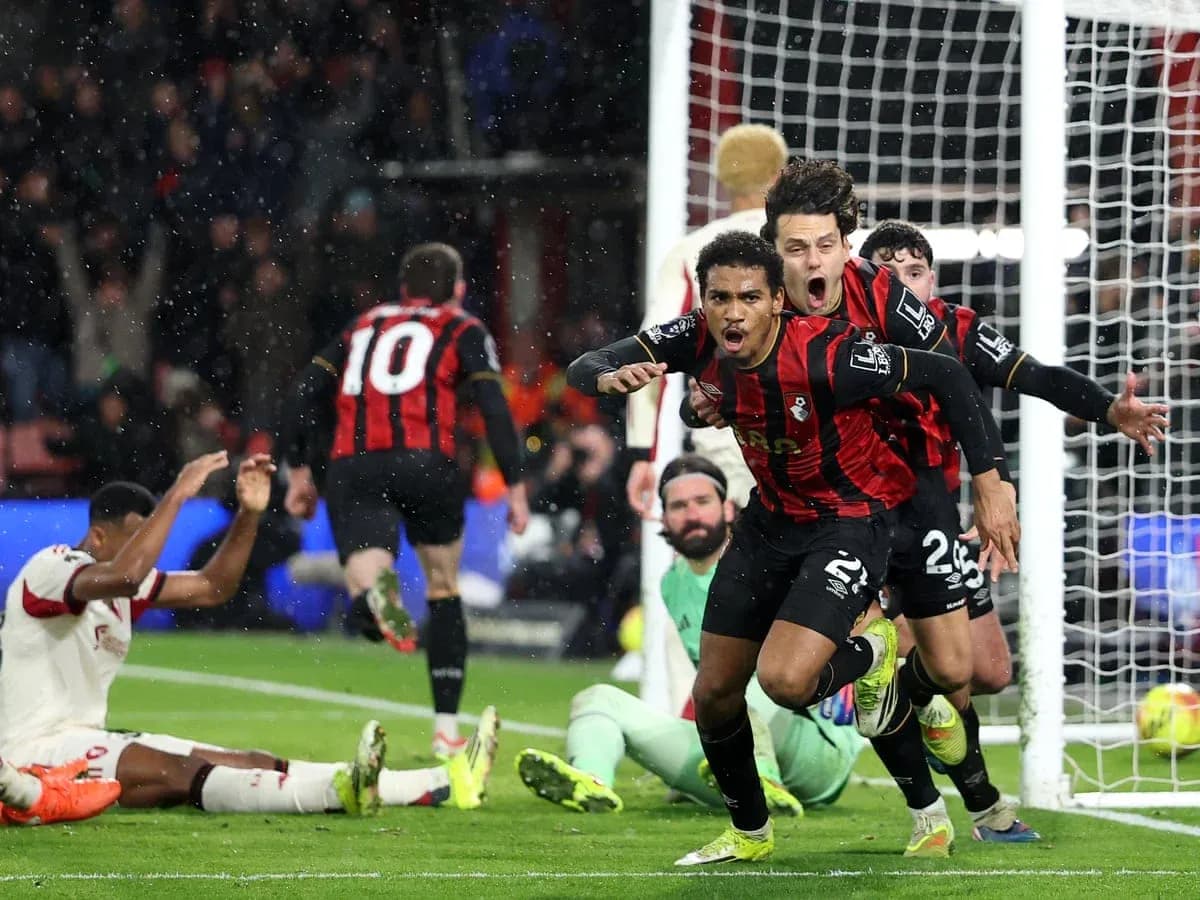
Following this result, the 1-1 draw felt less like a compromise and more like a tactical arm-wrestle between two very distinct footballing identities.
I. The Big Picture – Structures and Season DNA
Andoni Iraola’s Bournemouth lined up in their familiar 4-2-3-1, the shape that has underpinned 35 of their 37 league matches. It is the framework of a side that has quietly become one of the league’s most stubborn and awkward opponents. At home this season they have played 19 times, winning 7, drawing 10 and losing only 2. They score 29 home goals in total, averaging 1.5 at the Vitality, and concede 20, an average of 1.1. The numbers sketch a side that is hard to beat rather than relentlessly dominant.
Across the pitch, Pep Guardiola’s Manchester City arrived with a 4-1-4-1, a structure they have used 13 times overall this campaign. It is the modern City archetype: a lone spearhead in Erling Haaland, a single pivot in Rodri, and a box of creativity and pressing in front. On their travels they have played 19 league matches, winning 9, drawing 6 and losing 4, with 32 away goals (1.7 on average) and 21 conceded (1.1). Not as suffocating away as at the Etihad, but still a heavyweight.
The clash of season-long profiles was clear: Bournemouth’s balance (57 goals for, 53 against overall) versus City’s controlled dominance (76 for, 33 against overall). Yet on the night, the gap between 6th and 2nd felt slimmer than the table suggests.
II. Tactical Voids – Suspensions and Discipline
Bournemouth entered this fixture with a notable hole on the teamsheet. Ryan Christie, a red-carded presence in their season narrative, was listed as missing due to suspension. Alongside him, Álex Jiménez – one of the league’s leading yellow-card collectors with 10 bookings – was also suspended. For Iraola, this meant reconstructing his right side and defensive aggression without a defender who has amassed 69 tackles, 11 successful blocks and 27 interceptions this season.
Those absences nudged Bournemouth towards a more conservative, structurally disciplined version of themselves. Adam Smith started at the back, and the double pivot of Tyler Adams and Alex Scott had to absorb more defensive and build-up responsibility, especially against City’s central overloads.
Disciplinary trends for both sides hinted at how the game might tilt as the minutes ticked by. Bournemouth’s yellow-card distribution this season spikes dramatically late: 26.44% of their yellows come between 76-90 minutes, with another 21.84% between 91-105. City, too, show a late-game edge, with 19.70% of their yellows in both the 46-60 and 76-90 ranges. The pattern framed a match where intensity and risk were always likely to rise in the final quarter, and where tired legs could easily translate into tactical fouls and broken rhythm.
III. Key Matchups – Hunter vs Shield, Engine Room Battles
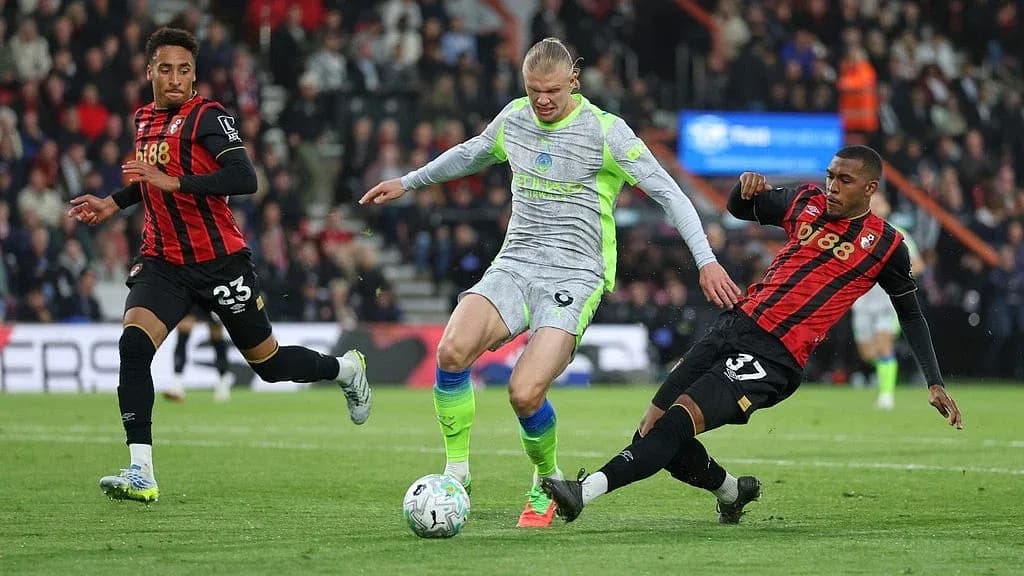
The headline duel was obvious: Erling Haaland, the league’s leading scorer, against a Bournemouth defence that, at home, has been quietly efficient. Haaland arrived with 27 league goals and 8 assists in total, built from 102 shots (59 on target). He is not just a finisher but a volume shooter and a penalty threat – though not flawless, having missed 1 spot-kick this season.
Bournemouth’s home record of 20 goals conceded from 19 matches, and 6 clean sheets at the Vitality, suggested a unit capable of surviving waves of pressure. Marcos Senesi’s positioning and aerial timing, J. Hill’s physical duels and A. Truffert’s coverage on the left all had to mesh to keep Haaland’s touches in the box limited. Denying service was as important as direct marking: cutting off the channels from Bernardo Silva and Mateo Kovacic, and tracking the inside movements of Jérémy Doku.
On the other side, Bournemouth’s own attacking edge revolved around Eli Junior Kroupi and the fluidity behind Evanilson. Kroupi, with 13 goals from 32 appearances and 21 key passes, brings a hybrid profile: part finisher, part connector. His presence in the line of three behind the striker, alongside Rayan and Marcus Tavernier, gave Bournemouth the ability to spring from their 4-2-3-1 into a narrow 4-2-2-2 in transitions.
City’s shield in front of the back four, Rodri, was the key counterweight. His job was double: to smother Kroupi between the lines and to start City’s own possession cycles. Behind him, the pairing of M. Guehi and A. Khusanov had to manage Evanilson’s runs while also stepping out to confront Bournemouth’s advanced midfielders when Rodri was dragged wide.
In the “Engine Room”, Kovacic and Bernardo Silva were tasked with tilting the game towards City’s preferred script: long spells of possession, positional rotations, and drawing Bournemouth’s wide players into narrow pressing traps. But Bournemouth’s Adams and Scott, supported by the work rate of Tavernier, repeatedly broke those patterns, turning the contest into a more even, transitional battle than City would have liked.
IV. Statistical Prognosis and Tactical Verdict
Following this result, the 1-1 scoreline fits neatly into Bournemouth’s seasonal identity: a side that draws more than anyone near the top, with 17 stalemates from 37 matches overall. At home they remain extremely hard to beat, and holding a City attack that averages 2.1 goals per game overall to a single strike underlines the resilience of Iraola’s structure.
For City, the draw is a reminder of the fine margins away from home. On their travels they still average 1.7 goals scored and 1.1 conceded, but against a compact, well-drilled 4-2-3-1 that has conceded only 20 times at home all season, even a forward of Haaland’s volume and quality can be contained to moments rather than a constant barrage.
In xG terms, this had the feel of a game where City likely edged the underlying chances but were forced to take more low-quality efforts from distance, while Bournemouth crafted fewer but cleaner opportunities through Kroupi’s movement and Evanilson’s hold-up play. Bournemouth’s defensive organisation, especially without Jiménez and Christie, was the story: lines stayed tight, distances were small, and the late-game card risk that has haunted them this season was managed with surprising composure.
The tactical verdict is that Bournemouth’s 4-2-3-1 has matured into a European-level platform, capable of absorbing and then countering even the league’s most sophisticated attacking machine. City’s 4-1-4-1 still generated control, but against this version of Bournemouth – compact, disciplined, and emboldened by their home record – control did not automatically translate into victory.