Cagliari vs Udinese: Tactical Analysis of Relegation Clash
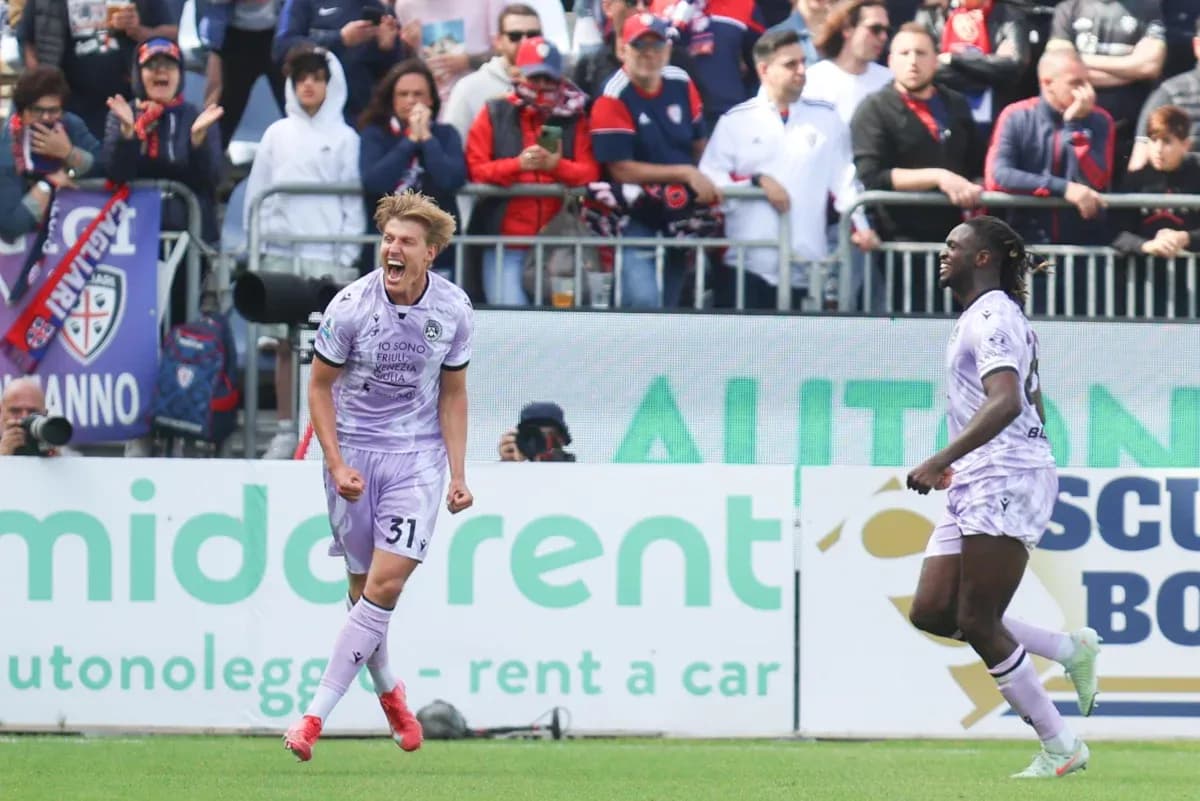
Under the Sardinian sun at Unipol Domus, a match that began as a tense relegation skirmish for Cagliari and a European push for Udinese ended with a stark, simple verdict: Cagliari 0–2 Udinese. Following this result, the league table snapshot remains clear in its hierarchy. Udinese, 9th with 50 points and a goal difference of -1 (45 scored, 46 conceded overall), look every bit the hardened mid‑table predator. Cagliari, 16th on 37 points with a goal difference of -15 (36 for, 51 against overall), continue to live on the edge.
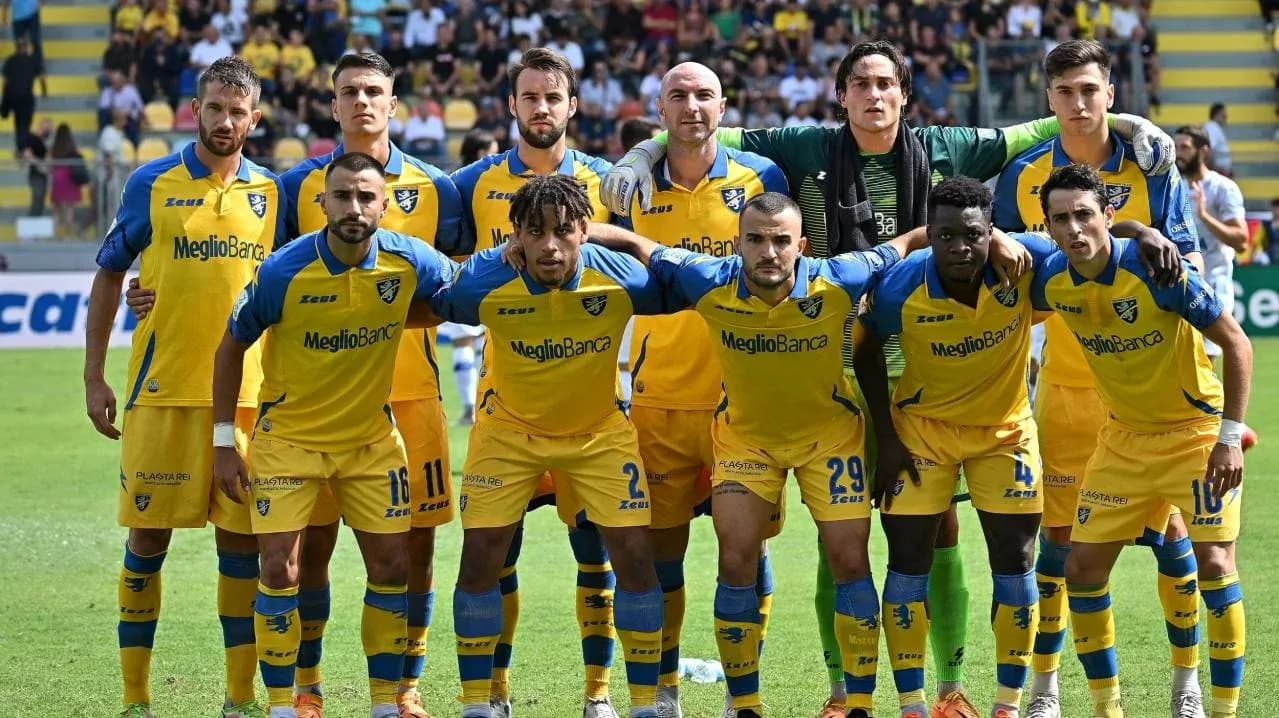
The seasonal DNA of both sides was written into the line‑ups before a ball was kicked. Cagliari, who overall score 1.0 goals per game and concede 1.4, leaned into caution with a 5‑3‑2 under Fabio Pisacane. At home this season they have averaged 1.1 goals for and 1.2 against, a narrow margin that explains the knife‑edge nature of their campaign. Udinese, more expansive and efficient on their travels with 1.5 away goals for and 1.4 against, arrived in a 3‑4‑3 under Kosta Runjaic, a shape that signalled confidence and vertical threat.
Cagliari's Defensive Setup
Pisacane’s back five told the story of a side built to survive. E. Caprile anchored the defence behind a line of M. Palestra, J. Pedro, A. Dossena, J. Rodriguez and A. Obert. Obert, one of Serie A’s most combative defenders this season with 9 yellow cards, has been central to Cagliari’s identity: aggressive in the duel, willing to step out, and crucial in blocking danger. His season numbers underline that defensive edge; he has blocked 18 shots, repeatedly putting his body on the line to protect a team that has already conceded 51 goals overall.
Ahead of them, the midfield trio of M. Adopo, G. Gaetano and M. Folorunsho were tasked with compressing space, protecting transitions and feeding the creative hub, S. Esposito, who was nominally listed as a forward but functioned as a hybrid 10/second striker. Esposito’s season has been Cagliari’s technical heartbeat: 6 goals, 5 assists, and 65 key passes in the league. His 916 total passes at 74% accuracy and 49 fouls drawn show a player who constantly invites contact, turns under pressure and tries to drag his team up the pitch.
Absences Impacting Cagliari
Yet the tactical voids were just as defining as the names on the team sheet. Cagliari were without a whole tier of attacking depth: G. Borrelli (thigh injury), M. Felici (knee injury), R. Idrissi (knee injury), J. Liteta (thigh injury), L. Mazzitelli (injury) and L. Pavoletti (knee injury) were all listed as Missing Fixture. That stripped Pisacane of alternative profiles in the final third and robbed him of the option to radically change the attacking reference point from the bench. The presence of A. Belotti and S. Kilicsoy among the substitutes offered experience and energy, but the sheer volume of absentees narrowed the tactical palette.
Udinese's Efficient Management
Udinese had their own absences, though they managed them with more ease. J. Ekkelenkamp (leg injury) and A. Zanoli (knee injury) were ruled out, while C. Kabasele missed out through yellow card suspension. Losing Kabasele, a defensive leader, could have destabilised the back line, but the trio of B. Mlacic, T. Kristensen and O. Solet stepped in to form a compact, physically imposing three. Behind them, M. Okoye’s presence in goal underpinned a side that already boasts 11 clean sheets overall, with 5 of those on their travels.
Midfield Battles
In midfield, the engine room battle was delicately poised. For Cagliari, Adopo and Gaetano were asked to balance ball progression with screening, while Folorunsho’s role was to shuttle and support transitions. On the other side, J. Karlstrom and J. Piotrowski formed Udinese’s double pivot, with H. Kamara and K. Ehizibue providing width. The real creative axis, however, revolved around N. Zaniolo. One of the league’s leading assist providers with 6 this season, Zaniolo has delivered 53 key passes and 580 total passes at 77% accuracy, while also scoring 5 goals. His profile – high volume dribbler (94 attempts, 33 successful), frequent carrier into the final third, and magnet for contact with 61 fouls drawn – made him the natural conduit for Udinese’s 3‑4‑3.
Opposite him, Esposito was Cagliari’s answer in the “engine room” narrative. Both players are their sides’ creative fulcrums, but the structures around them differ. Udinese’s 3‑4‑3 gives Zaniolo three lanes of attack and multiple runners – A. Buksa and A. Atta in this game, with K. Davis looming as a devastating option from the bench. Davis, Udinese’s leading scorer with 10 goals and 4 assists, is a classic “hunter”: 37 shots, 24 on target, and 4 penalties scored from 4 taken. His physicality (305 duels, 143 won) and ability to win 2 penalties underline why he is such a nightmare late in games.
Cagliari’s more conservative 5‑3‑2, by contrast, leaves Esposito working in tighter corridors, relying on P. Mendy’s movement and the occasional overlap from wing‑backs like Palestra. With Cagliari having failed to score in 14 league matches overall, the burden on Esposito to both create and finish is immense.
Disciplinary Patterns
The disciplinary patterns of both teams added another layer to the tactical story. Cagliari’s yellow card distribution peaks late: 26.92% of their yellows arrive between 76–90 minutes, and their only red cards of the campaign have also come in that window, with 100.00% of their reds shown between 76–90. That suggests a side that tires, chases games and makes increasingly desperate interventions. Udinese, meanwhile, are most combustible slightly earlier; 26.87% of their yellows fall between 61–75 minutes, with another 22.39% between 76–90. They also carry the memory of an early red – their only sending‑off came between 0–15 minutes – a reminder that their aggression can boil over from the start.
Closing Stages
This “critical intersection” between Cagliari’s late‑game indiscipline and Udinese’s late‑game assertiveness on their travels (27 away goals scored, 26 conceded overall) framed the closing stages. As Cagliari pushed, the risk of cards and structural disorganisation grew; Udinese, with their away average of 1.5 goals, are built to punish exactly that kind of stretched game state.
Defensively, Cagliari’s season numbers show a team that can lock in at times – 6 home clean sheets, 8 in total – but the overall concession rate of 1.4 goals per match and 22 conceded at home reveal why they sit where they do. Udinese’s more balanced profile – 46 conceded overall, 26 on their travels – coupled with their 11 clean sheets gives them a sturdier platform. Their ability to keep compact lines in a back three and trust Okoye behind them allowed Runjaic to maintain the 3‑4‑3 without sacrificing control.
From an Expected Goals perspective, the underlying trends favour Udinese in encounters like this. A side that creates enough to sustain 1.5 away goals on average, led by a double threat in Davis (10 goals, 4 assists) and Zaniolo (5 goals, 6 assists), and backed by 5 away clean sheets, will usually edge a contest against a team that has failed to score in 7 home matches and averages just 1.1 goals at Unipol Domus.
Following this result, the tactical verdict feels coherent with the season’s broader narrative. Udinese’s structure, depth and attacking ceiling were simply higher. Cagliari’s five‑man defence, the industry of Esposito and the bravery of Obert could not mask the attacking absences and the systemic fragility of a side that has lost 17 of 36 league games overall. The 0–2 scoreline is not just a snapshot of 90 minutes; it is the distilled outcome of two contrasting squad constructions and two very different relationships with risk and control.