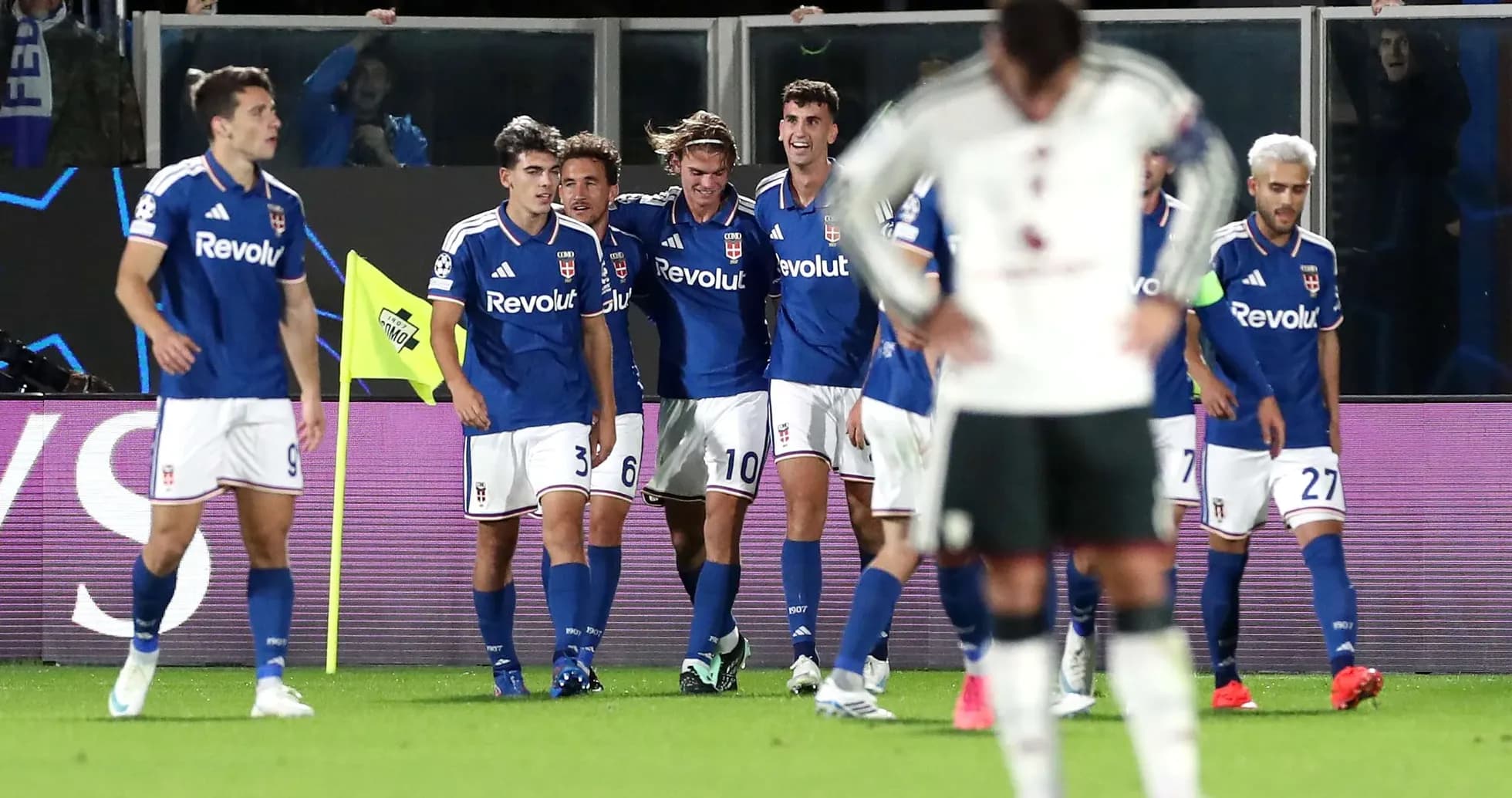
Como Dominates Manchester United 4–1 in Champions League
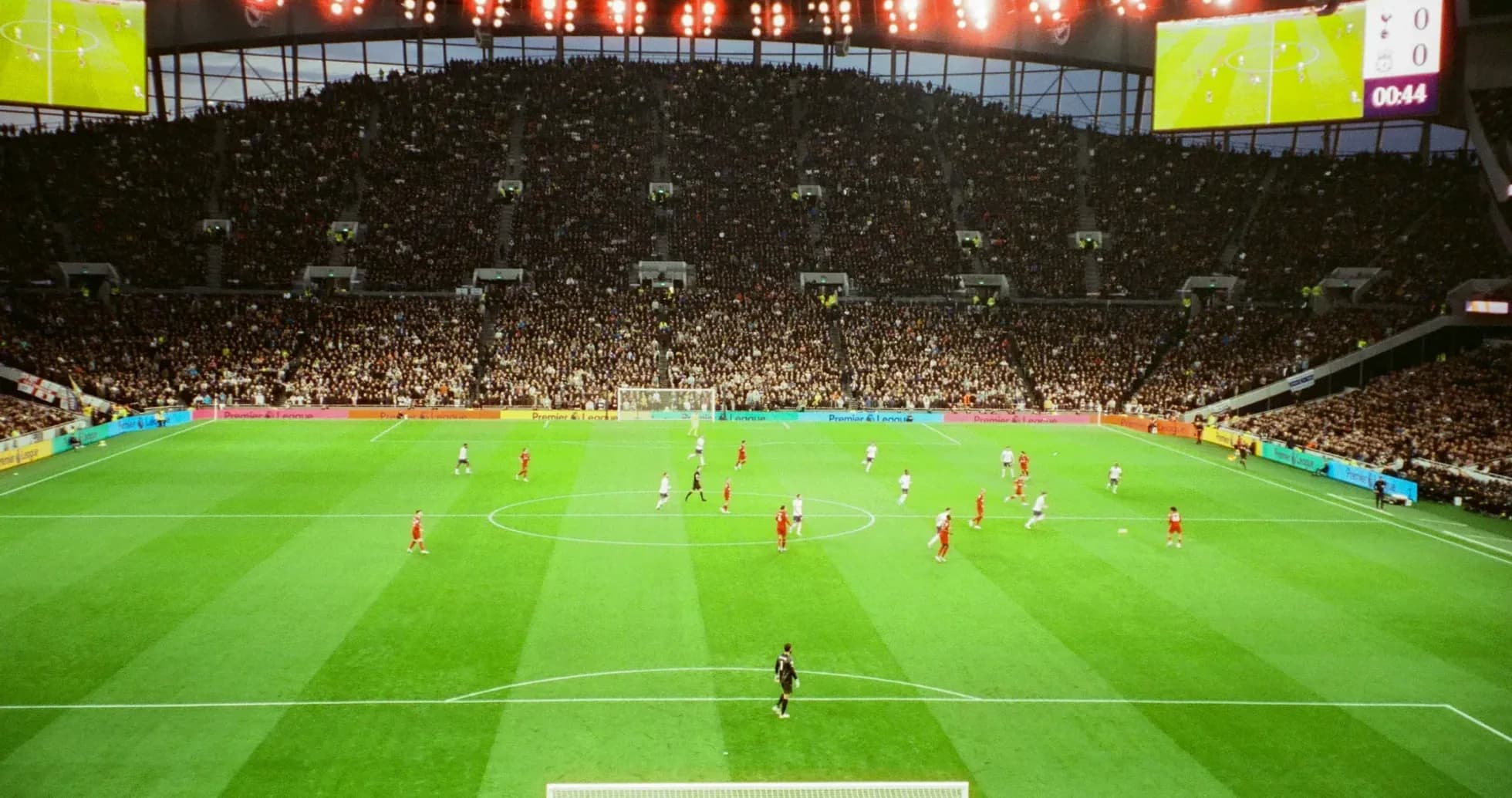
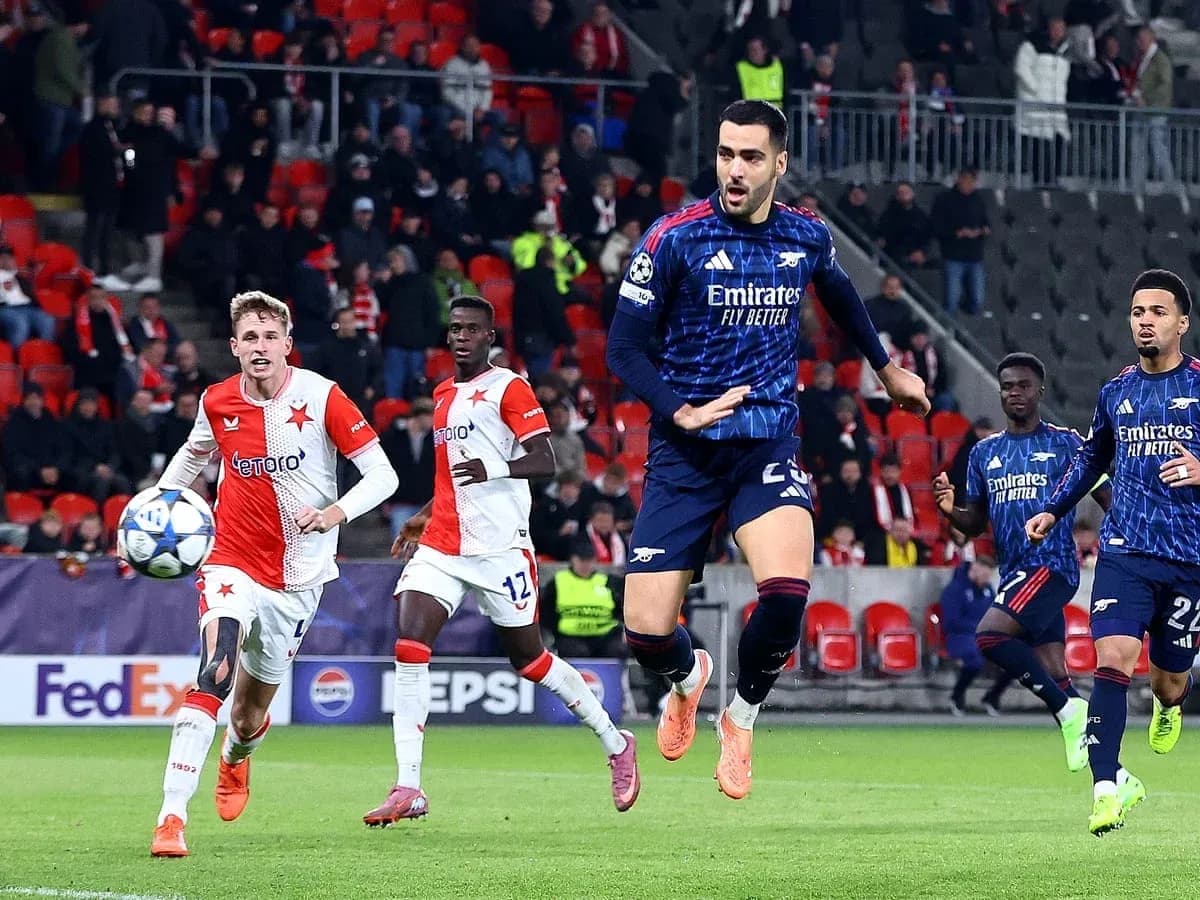
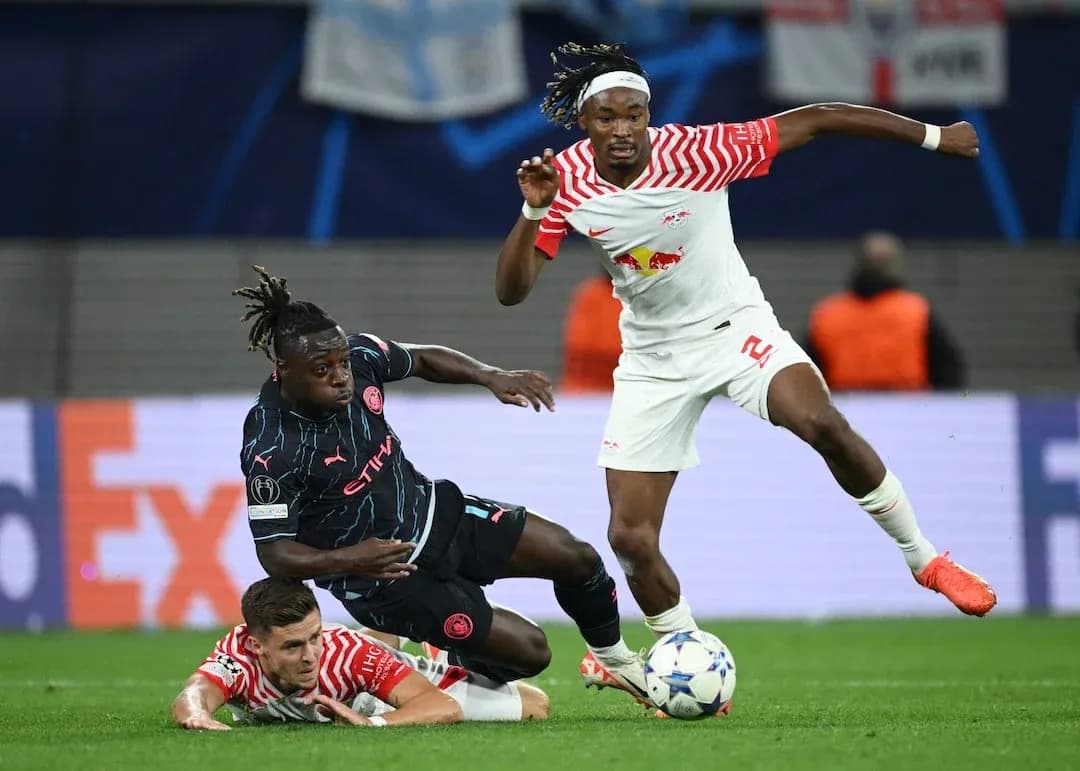
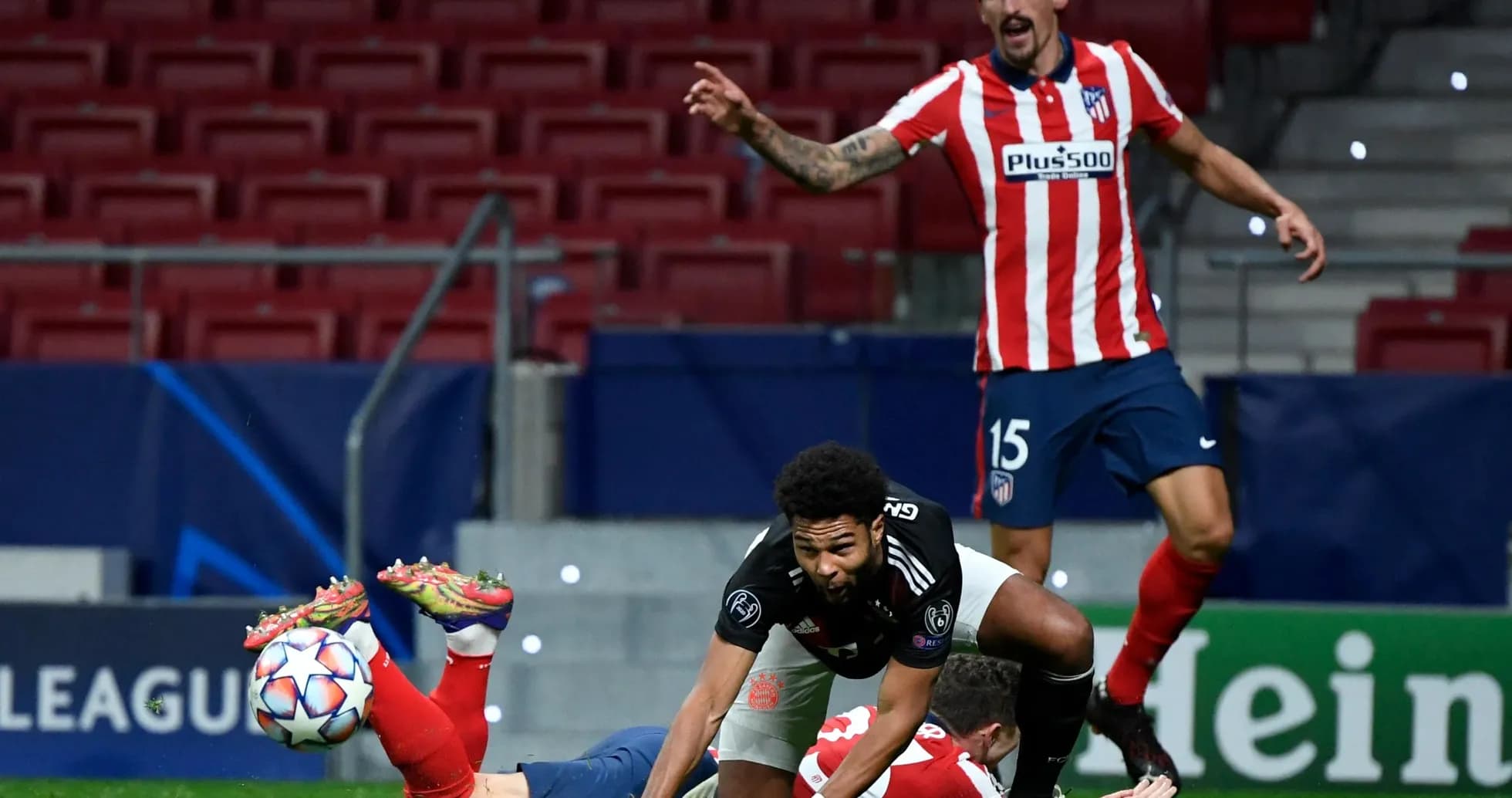
On a cool Champions League night at Stadio Giuseppe Sinigaglia, Como did far more than beat Manchester United 4–1; they announced themselves as a fully formed European side with a clear identity and a ruthless edge. In League Stage - 3, under the gaze of referee Sven Jablonski, Cesc Fàbregas’ team translated a strong seasonal profile into a statement performance, while Michael Carrick’s injury-hit United looked like a side still searching for balance and belief on their travels.
I. The Big Picture – Como’s rise, United’s road frailty
Heading into this game, Como were already one of the competition’s most intriguing stories. Overall this campaign they had taken 6 points from 3 matches, with a goal difference of +5, scoring 10 and conceding 5. At home, they had been devastating: 2 wins from 2, 8 goals scored and just 2 conceded, averaging 4.0 goals for and 1.0 against at Stadio Giuseppe Sinigaglia. There were no clean sheets overall, but also no games in which they failed to score. This is a side built to trade blows and back their firepower.
Manchester United arrived in Como with a more fragile profile. Overall they had 3 points from 3 matches, a goal difference of -1 (5 scored, 6 conceded), and a form line of WLL that hinted at inconsistency. At home they had been emphatic – a 4–0 win, 4.0 goals for on average and none conceded – but on their travels the story was starkly different: 2 away games, 2 defeats, just 1 goal scored and 6 conceded, an away average of 0.5 goals for and 3.0 against. The 4–1 defeat here merely confirmed a worrying trend.
Both coaches mirrored each other structurally with a 4-2-3-1, but the squads they could call on were shaped heavily by absences. Como were without J. Addai, T. Chalobah, A. Diao, E. Goldaniga, W. Kambwala, M. Kean, A. Lahdo and J. Rodriguez, a cluster that particularly thinned their defensive and attacking depth. United’s list was even more brutal: P. Dorgu, A. Heaven, K. Mainoo, L. Martinez, M. Rashford, B. Sesko, L. Shaw and M. Ugarte were all missing, while L. Yoro sat out through suspension after a red card earlier in the campaign. For Carrick, that meant reconstructing his spine without a first-choice centre-back pairing, key midfield ballast, and his most explosive forward.
II. Tactical Voids and Discipline – who bent, who broke
The disciplinary profiles coming into the night framed how both sides might ride momentum swings. Como’s yellow cards this season had clustered after the interval: 33.33% of their cautions between 46–60 minutes, another 33.33% between 61–75, and then a late-game tail of 16.67% from 76–90 and 16.67% in added time. They are a team that plays on the edge in the second half, but crucially, they had no red cards overall.
United’s card map was more volatile. Overall, 20.00% of their yellow cards arrived between 16–30 minutes, 40.00% between 46–60, then 20.00% from 61–75 and 20.00% from 76–90. More telling was the fact that 100.00% of their red cards had come in the 61–75 window, a sign of a side that can lose control when chasing or defending a tight game. L. Yoro’s suspension for a red card was the direct expression of that tendency, forcing Carrick to lean on Harry Maguire and M. de Ligt as a pairing in Como.
III. Key Matchups – Hunters and Shields
Como’s front four and the N. Paz axis Fàbregas’ 4-2-3-1 was built around a technically rich, aggressive band of three behind T. Douvikas. Luis Milla and M. Perrone provided the double pivot, while L. da Cunha, N. Paz and M. Baturina floated between lines.
Nicolás Paz entered this fixture as one of the Champions League’s standout creators. Overall this season he had 3 assists and 2 goals, with 9 shots (4 on target), 153 passes at 87% accuracy, and 5 key passes. He had won 24 of 43 duels, completed 7 of 12 dribbles, and contributed defensively with 10 tackles, 2 blocked shots and 5 interceptions. This is not a luxury playmaker but a complete modern midfielder.
Against United’s double pivot of M. Mount and Andrey Santos, Paz was the hunter in the “Engine Room” matchup. Mount and Santos are both comfortable in possession, but without the destructive presence of M. Ugarte or the calm distribution of K. Mainoo, United’s midfield lacked a natural enforcer. That left spaces between the lines for Paz to receive, turn and drive at a back four already missing L. Martinez and L. Shaw.
On the flanks, Yan Couto and Álex Valle pushed high from full-back, stretching United’s wide defenders Diogo Dalot and N. Mazraoui. With B. Mbeumo and Matheus Cunha nominally supporting Bruno Fernandes as the central forward, United’s 4-2-3-1 often became a 4-2-4 in possession, leaving Mount and Santos exposed to Como’s interior rotations. Every Como surge was a test of United’s away defensive record, which on their travels had already seen them concede 6 goals in 2 matches before this 4–1 defeat.
Bruno Fernandes vs Como’s central shield Up front, Bruno Fernandes was deployed as the nominal striker, supported by Mbeumo, Tielemans and Matheus Cunha. On paper, his movement between centre-backs Jacobo Ramón Naveros and M. Kempf, plus dropping into zones around Milla and Perrone, could have unhinged Como’s structure.
But the numbers suggested a different dynamic. Como overall had conceded 5 goals in 3 matches, an average of 1.7 per game, yet at home they had allowed just 2 in 2 matches. They had no clean sheets, but they rarely allowed games to become stretched in their own stadium. With J. Butez behind a compact back four and the double pivot screening central zones, Fernandes was often forced to drift wide or deep, pulling United away from the penalty box rather than into it.
IV. Statistical Prognosis – why 4–1 made sense
Following this result, the statistical narrative tightened around both teams’ identities. Como’s biggest home win overall this campaign had already been 4–1; they simply repeated that pattern against a bigger name. Their home scoring rate of 4.0 goals per game was upheld, while United’s away average of 3.0 goals conceded was brutally reinforced.
Neither side had taken nor missed a penalty overall this season, so the game was always likely to be decided in open play and transitional moments rather than from the spot. In that context, Como’s attacking fluency and Paz’s all-round influence were decisive. United’s reliance on individual quality from Bruno Fernandes, Mbeumo and Tielemans could not mask the structural absences caused by injuries and suspension.
From a predictive, xG-style lens, a Como win with multiple goals always felt more probable than the badge on the visiting shirts suggested. A home side averaging 4.0 goals for and 1.0 against at this venue, facing an away team averaging 0.5 for and 3.0 against on their travels, is a statistical mismatch. The 4–1 scoreline did not feel like an upset; it felt like numbers, structure and narrative all converging on the same outcome.