Crystal Palace and West Ham Battle to a Stalemate in Goalless Draw
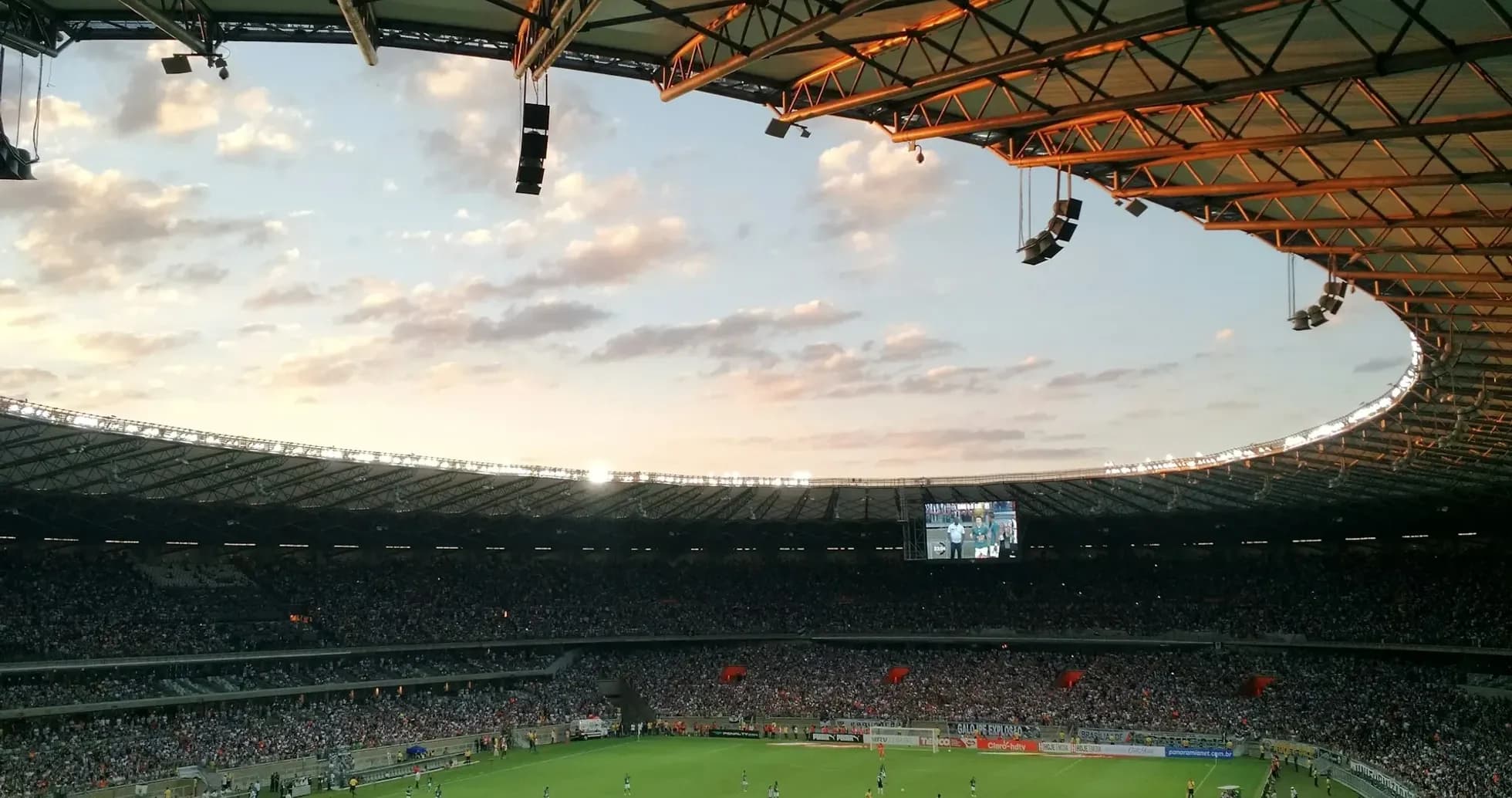
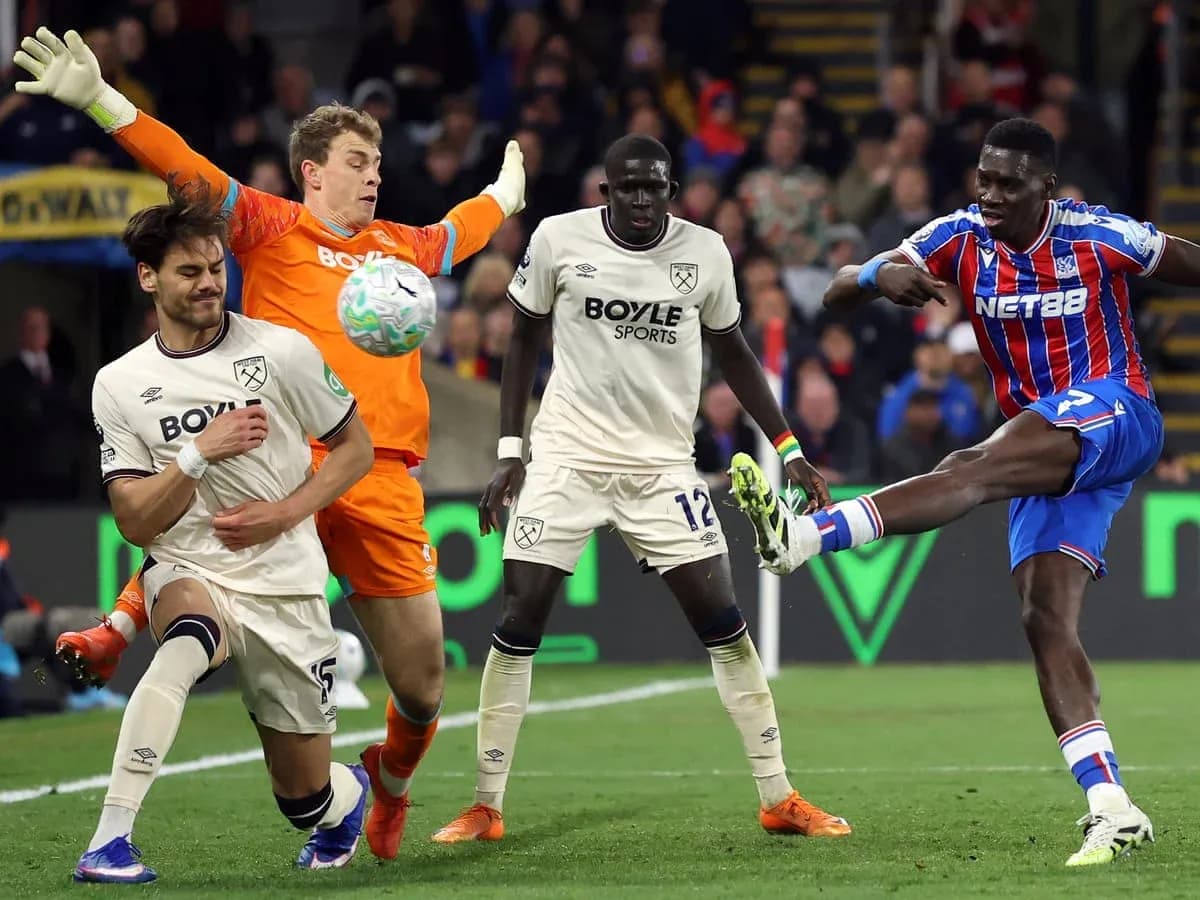
Selhurst Park watched a tense relegation-tinged stalemate as Crystal Palace and West Ham cancelled each other out in a 0–0 draw that was more about structure and discipline than chaos and chances, with both sides ultimately lacking the quality in the final action to turn a cautious point into a precious win.
The Story of the Match
The opening phase belonged to Crystal Palace in terms of territory and control. Oliver Glasner’s side, in their familiar back three, used the width of Daniel Muñoz and Tyrick Mitchell to pin West Ham deep and circulate the ball with patience. Palace saw more of the ball and tried to work it into the box rather than shoot on sight, but the end product was limited: plenty of probing, very little incision.
The key flashpoint of the first half was disciplinary rather than attacking. Brennan Johnson went into Darren England’s book on 21 minutes for tripping, a sign of Palace’s eagerness to counter-press whenever West Ham broke the first line. West Ham, for their part, were happy to sit in a compact 4-4-1-1, with Valentín Castellanos leading the line and Pablo Felipe operating just off him, looking for transitions rather than sustained possession.
The momentum swung after the interval as the game opened up and both coaches reached for their benches. A tactical shift came from Glasner on 59 minutes with a triple substitution that underlined his dissatisfaction with Palace’s attacking sharpness: Yéremy Pino, Jørgen Strand Larsen and Will Hughes all departed, replaced by Ismaïla Sarr, Jean-Philippe Mateta and Daichi Kamada. The idea was clear – add more direct running in behind (Sarr), a more penalty-box focused striker (Mateta) and an extra passer between the lines (Kamada).
For a spell, those changes injected energy, but West Ham gradually grew into the contest. Nuno Espírito Santo waited longer to make his moves, but his first big call came on 75 minutes as Pablo made way for Callum Wilson, a more traditional penalty-area threat. Later, at 84 minutes, Valentín Castellanos was replaced by Mohamadou Kanté, fresh legs to press and chase lost causes in the final third.
As the clock ticked into stoppage time, the contest became increasingly scrappy. M. Diouf picked up a yellow card for roughing at 90+2, a reflection of West Ham’s willingness to disrupt Palace’s late attempts to build one last attack. Moments later, Muñoz joined him in the book for unsportsmanlike conduct, capping a night where aggression slightly outstripped attacking clarity.
Despite the late flurry of cards, neither side found a decisive moment. Dean Henderson and Mads Hermansen were rarely exposed, and both defences held firm. The whistle went on a goalless draw that felt logical given the balance of play: Palace had more of the ball, West Ham the clearer sights of goal, but neither did enough to truly demand all three points.
The Numbers Behind the Game
Across the full match, the underlying data paints a picture of two teams who threatened in different ways but ultimately lacked cutting edge.
- xG (Expected Goals): Crystal Palace 0.68 vs 0.61 West Ham
- Possession: Crystal Palace 54% vs 46% West Ham (full-match totals)
- Shots on Target: Crystal Palace 1 vs 4 West Ham (full-match totals)
- Saves: Crystal Palace 3 vs 1 West Ham (full-match totals)
Palace’s slight edge in xG and possession underlines their control and volume of attacks, but West Ham’s superior shots on target tally shows they made more of their fewer openings. Both goalkeepers ended with identical goals prevented (0), reinforcing the sense that while chances existed, none were of truly elite quality.
The Aftermath: Impact on the Table
For Crystal Palace, this stalemate means they move to 44 points, with their goals for and against columns unchanged at 35 scored and 36 conceded, keeping their goal difference at -1. It nudges them a little closer to mathematical safety and consolidates a mid-table position, but it also feels like a missed opportunity at home against a struggling opponent.
West Ham, meanwhile, climb to 34 points. Their attacking and defensive tallies remain at 40 goals for and 57 against, leaving their goal difference at -17. The point is valuable given their position near the bottom, but with one more game played than Palace and a significantly worse goal difference, they remain firmly in the survival scrap.
Personnel and Tactical Shapes
Glasner set Crystal Palace up in a 3-4-2-1 that emphasised wing-backs and fluid movement behind the striker. Dean Henderson anchored a back three of Chris Richards, Maxence Lacroix and Jaydee Canvot, with Muñoz and Mitchell providing width. The double pivot of Will Hughes and Jefferson Lerma was tasked with both screening and progressing play, while Brennan Johnson and Yéremy Pino floated behind Jørgen Strand Larsen to find pockets between West Ham’s lines.
The substitutions on 59 minutes were a clear tactical message: the structure was fine, but the cutting edge was not. Introducing Sarr and Mateta shifted Palace towards a more vertical, transition-focused approach, with Kamada offering more subtlety in tight spaces. Later, Johnson’s withdrawal for Justin Devenny at 78 minutes added fresh legs and energy in the attacking midfield zone.
Nuno Espírito Santo’s West Ham lined up in a disciplined 4-4-1-1. Mads Hermansen was protected by a back four of Kyle Walker-Peters, Konstantinos Mavropanos, Axel Disasi and M. Diouf. In midfield, Jarrod Bowen and Crysencio Summerville offered width, with Tomáš Souček and Mateus Fernandes central, tasked with breaking up play and feeding the front two. Pablo Felipe operated off Castellanos, trying to link midfield and attack.
The late introduction of Callum Wilson for Pablo signalled a shift towards a more direct, box-focused threat, while Mohamadou Kanté replacing Castellanos added pressing energy rather than technical link-up. Nuno largely trusted his starting structure, preferring to tweak personnel rather than overhaul the shape.
Starting XIs
- Crystal Palace: Dean Henderson; Chris Richards, Maxence Lacroix, Jaydee Canvot; Daniel Muñoz, Will Hughes, Jefferson Lerma, Tyrick Mitchell; Brennan Johnson, Yéremy Pino; Jørgen Strand Larsen
- West Ham: Mads Hermansen; Kyle Walker-Peters, Konstantinos Mavropanos, Axel Disasi, El Hadji Malick Diouf; Jarrod Bowen, Tomáš Souček, Mateus Fernandes, Crysencio Summerville; Pablo Felipe; Valentín Castellanos
Editorial Analysis
This was a match defined by structure over spontaneity. Palace’s 3-4-2-1 gave them control of the ball and territory (54% possession, 440 total passes at 81% accuracy), but they never translated that into sustained pressure in the danger zone, finishing with only 1 shot on target from 9 attempts (full-match totals). The triple substitution on 59 minutes was an admission that the original attacking plan lacked punch, yet even with Sarr and Mateta on, Palace’s final ball and decision-making remained just short of decisive.
West Ham, conversely, will feel quietly satisfied with the way their game plan functioned. With less of the ball (46% possession, 359 passes at 74% accuracy), they still matched Palace for total shots (9) and bettered them in shots on target (4–1), suggesting their attacks were more purposeful when they did break forward. The 0.61 xG reflects that they carved out a handful of decent looks without ever truly opening Palace up.
Discipline was a subplot rather than a headline: three yellow cards – B. Johnson early on, then M. Diouf and D. Muñoz deep into stoppage time – hinted at rising frustration but never tipped the game into chaos. Both keepers ended with modest workloads (Henderson 3 saves, Hermansen 1 save), which underlines how well-protected the penalty areas were.
From a broader perspective, Palace can argue they controlled the rhythm and marginally edged the underlying numbers (0.68 xG vs 0.61, more possession, more passes), but in the Premier League, control without penetration rarely wins matches. For West Ham, this point away from home, achieved with compact organisation and selective attacking, is useful but not transformative. Both teams leave Selhurst Park with their defensive structures validated, but their attacking departments still under scrutiny.