Dembélé Shines in France's 4-1 Victory Over Norway
The posters sold one story. The pitch delivered another.
This was supposed to be Kylian Mbappé v Erling Haaland, a World Cup Golden Boot duel in Boston. Instead, Haaland sat in a tracksuit, Mbappé rattled the bar in the opening minute – and Ousmane Dembélé tore the night to pieces.
By the 25th minute, the Ballon d'Or winner had a hat-trick. By full-time, France had a 4-1 win, top spot in Group I and the look of a team that expects to be back on the East Coast for the final in New Jersey on 19 July.
Dembélé steals the stage
The tone was set almost immediately. Mbappé, restless and electric from kick-off, stepped inside and crashed a shot off the underside of the crossbar with less than 60 seconds gone. Norway survived that. They survived very little that followed.
With Ståle Solbakken fielding a radically altered XI, the spaces France crave appeared everywhere. Dembélé drifted, drove, darted into them. His movement shredded a makeshift Norwegian back line, his finishing was ruthless, and his hat-trick inside 25 first-half minutes turned a billed blockbuster into a procession.
France, loaded with attacking talent, looked exactly what they are: tournament favourites playing with the handbrake off, confident that this front line can carry them deep into July.
Norway, already through to the knockout phase, had made a very different calculation.
Solbakken’s gamble
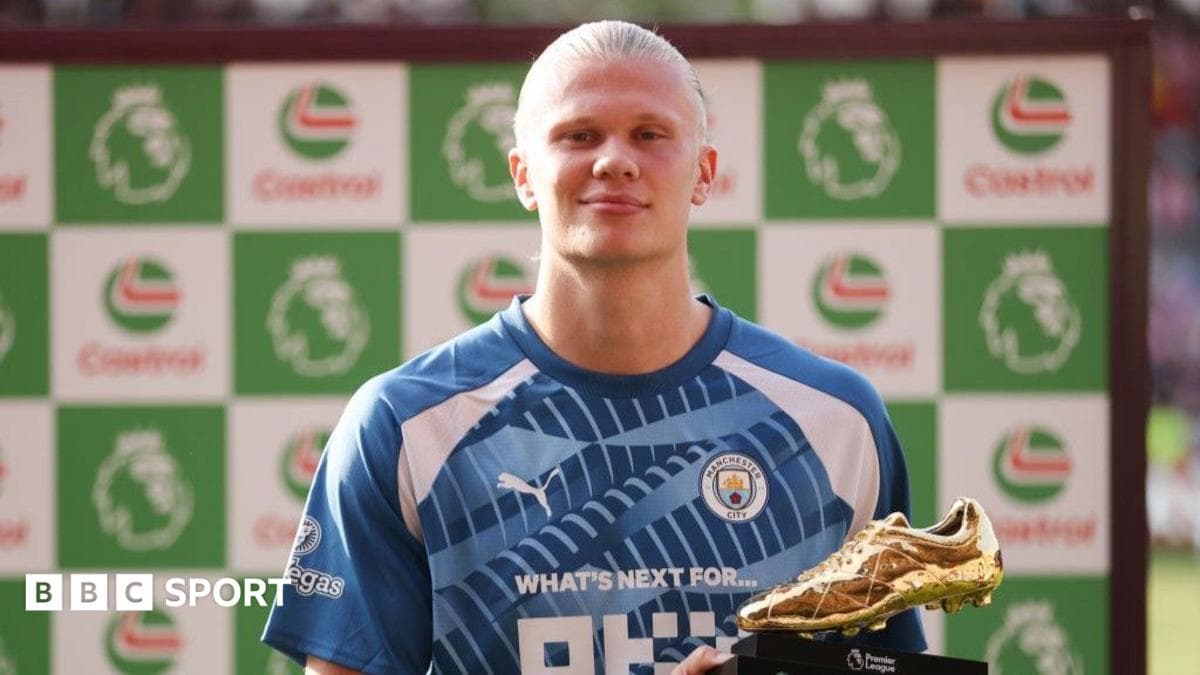
For the first time since 2024, Erling Haaland did not start a competitive match for his country. He was not alone. Solbakken made 10 changes, resting almost his entire core, including captain Martin Ødegaard.
“A no-brainer,” he called it, explaining that the medical and fitness staff, and some players themselves, pushed for a reset after the physically draining win over Senegal. The numbers backed it up: by their internal review, five or six players were “very affected” after 80 minutes, including the whole defensive line and several midfielders.
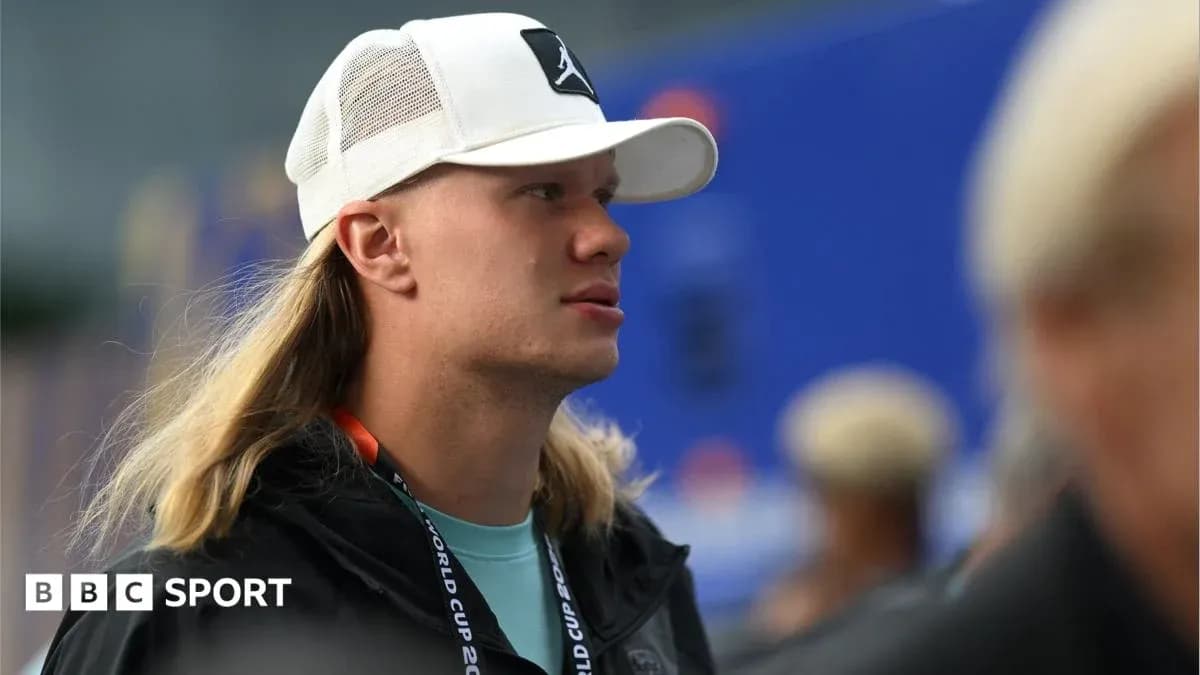
The only real doubt, Solbakken admitted, was the Norway supporters. Thousands have crossed the Atlantic, paid big money, and dreamed of seeing Haaland and Ødegaard take on Mbappé and company. Instead, they watched the Manchester City striker clap from the bench while his understudies tried to survive a blue wave.
Ian Wright, speaking on ITV Sport before kick-off, summed up the tension: if Haaland needs a rest to be decisive later in the tournament, he will take it. Norway clearly agreed.
The price of that decision became clear on the scoreboard.
Missed chances and long journeys
Haaland had arrived in Boston in blistering form, four goals in his first two group games and fresh from a match-winning double in a 3-2 victory over Senegal. Asked then about facing France, he shrugged off the prospect.
“I couldn't care too much about that game now,” he said after qualification was secured. “They're probably going to win against us. They're probably going to win the whole tournament.”
He watched that prediction play out from the dugout. His replacement, Jørgen Strand Larsen, had the moment every deputy dreams of – and the kind every striker dreads. With the score at 3-1 after the break, Norway won a penalty that would have dragged the game back to 3-2 and rattled French nerves. Strand Larsen stepped up and missed. The chance to turn a calculated risk into a masterstroke slipped away.
France eased away again, their control rarely in doubt. The win locks them into top spot with three wins from three and a last-32 tie at New York New Jersey Stadium on 30 June, against the runners-up from Group F or G.
Norway’s path is more complicated, and more tiring. Based in Greensboro, North Carolina, they now face a 1,100-mile trip to Arlington, Texas, to meet Ivory Coast on the same day. Had they topped the group, that journey would have been roughly half the distance.
Pat Nevin, on BBC Radio 5 Live, cut to the heart of the trade-off: the sheer scale of travel in this World Cup, the disruption of uprooting a squad, weighed against the need to arrive in the knockouts fully fit. For a side that leans heavily on physical intensity, the fear of losing key players in a full-blooded contest with France loomed large.
Power, risk and the road ahead
Norway’s style is built on size and strength. As Nevin pointed out, their “normal side” boasts around half a dozen players over 6ft 4in or 6ft 5in, Haaland included. That aerial and physical presence would have asked very different questions of France, would have squeezed the space Dembélé and Mbappé so gleefully exploited.
Wright admitted he was “surprised” by the extent of the rotation, especially after Norway had named an unchanged XI for their wins over Iraq and Senegal. The decision put them in rare company: they are just the fourth team to make 10 or more changes to a starting XI in the same World Cup edition.
History offers mixed verdicts. Spain did it in 2006 against Saudi Arabia, made 11 changes, won the game – and then went out 3-1 to France in the last 16. Belgium, in 2018, famously rotated heavily, made 10 changes, beat Japan 3-2, then knocked out Brazil 2-1 in the quarter-finals before falling, again, to France.
Solbakken will hope his side follow the Belgian path, not Spain’s.
Inside Boston Stadium, some Norwegian fans met the team news with disbelief, others with a shrug and a song. The Viking-style rowing celebration rolled around the stands before and during the game, a defiant show that the occasion still mattered, even if the headline act never left the bench.
France leave with momentum, goals and their stars purring. Norway leave with bruised pride, rested legs and a long flight to Texas.
If that freshness fuels a win over Ivory Coast and a last-16 date in New Jersey on 5 July against the winners of Brazil-Japan, Solbakken’s “no-brainer” will look like cold, clear thinking.
If not, how many miles will those fans feel they’ve really travelled?