England's Defensive Woes Against Croatia: Tuchel's Selection Dilemma
England’s attack roared into life against Croatia in Dallas. Their defence told a very different story.
The 4-2 win lit up the World Cup opener, but beneath the fireworks sat an uncomfortable truth for Thomas Tuchel: the centre of his back line looked fragile, and Croatia knew exactly where to push.
Stones, Konsa and a question of trust
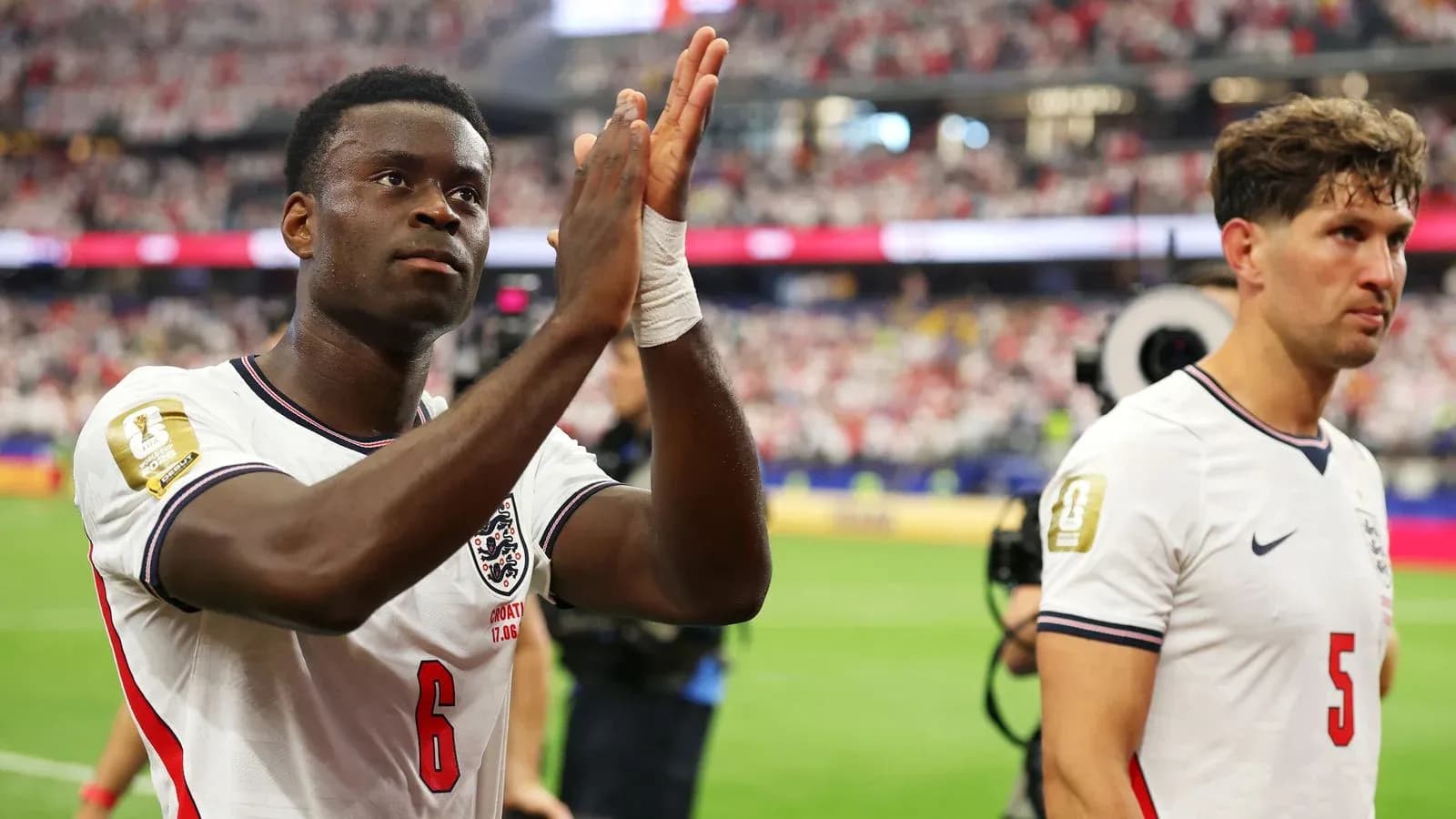
Eyebrows had already gone up when the teams were announced. Ezri Konsa and John Stones in tandem, Marc Guehi on the bench. Within 45 minutes, the sceptics had ammunition.
Stones dived in before Croatia’s first goal, losing his footing and the duel. Konsa then misjudged a chipped ball in the build-up to the second. Two lapses, two goals, and a half-time inquest.
“Is Konsa and Stones a partnership that can win us the World Cup?” Gary Neville asked on ITV. It wasn’t a rhetorical flourish. It was a live problem.
Neville went further, pointing the finger at the protection – or lack of it – in front of them. Declan Rice and Elliot Anderson, he said, would have to be “outstanding” to shield this defence. On this evidence, they will be busy.
The warning signs had flashed early. Croatia pressed high, and England’s build-up from the back wobbled. Stones and Konsa both coughed up possession under pressure. The passing numbers at full-time looked tidy, but they hid the nerves.
The defensive stats were even less flattering. Stones, across 87 minutes, attempted one tackle. It failed. He made a single clearance and won four of seven duels. Konsa came off worse: three wins from eight duels, just one from five in the air, no tackles, no interceptions.
Jamie Carragher didn’t sugar-coat it on Sky Sports News the following morning. “We probably lack something defensively to go all the way,” he said, pouring a bucket of cold water over the optimism generated by England’s second-half attacking surge.
The goals at one end thrilled. The gaps at the other end worried.
The Guehi question
The obvious solution sits right in front of Tuchel: restore Marc Guehi.
Guehi’s numbers from the second half of the Premier League season at Manchester City scream reliability and aggression. Since his January move from Crystal Palace, he has climbed into the elite bracket both as a defender and a passer.
From his Premier League debut for City in January, he ranked 10th for possession won in the defensive third and fourth for interceptions. On the ball, he was sixth for forward passes and fifth for passes completed over that period. Those are the figures of a centre-back who reads danger early, steps in decisively, and then uses the ball with purpose.
He is 25 now and looks it. The raw promise Palace nurtured has hardened into a defender who walked into Pep Guardiola’s side, picked up another FA Cup winners’ medal in May, and stayed there. Importantly, he stayed there at Stones’ expense.
Stones insists he was fit and available during City’s run-in. Guardiola still chose Guehi. That is the sort of selection call international managers notice. Tuchel now has to decide if he follows the same logic.
The backdrop is brutal. Stones played just five times for City in 2026 and started only five league games in the past year. City lost four of those. A defender once central to England’s identity – calm, composed, a cornerstone of Gareth Southgate’s Euros back line – now arrives at a World Cup short of rhythm and, perhaps, sharpness.
Tuchel values him. He made room for Stones in this squad because of his experience, leadership, and quality on the ball. But loyalty has a limit at a World Cup, and Croatia pushed this selection to the edge.
Left, right and the fine margins
There is another layer to this: where Stones is playing.
To fit Konsa on his favoured right side, Tuchel shifted Stones to the left of the pairing against Costa Rica in the final warm-up game, then again versus Croatia. On paper, it looked like a minor tweak. In reality, those details matter.
Across the past three seasons at City, Stones has logged just 371 minutes at left centre-back. On the right, he has played 1,151. His body shape, his angles, his natural passing lanes – they’re all tuned to that side.
Guehi is different. Right-footed, yes, but schooled on the left. He spent much of his Crystal Palace career on that flank, often in a back three. At City, he has shown he can operate on either side, but the left feels like home.
He knows the difference. “When you have been playing on one side for a long time and you switch to the other side it can throw you off a little bit,” he told Sky Sports in December. That’s not theory. It’s lived experience.
Tuchel’s most obvious reset for Ghana is simple: bring Guehi in on the left, slide Stones back to his natural right side, and bank on the pair restoring calm. It was the combination he chose for the first warm-up against New Zealand and, for a while, looked like his World Cup blueprint.
If he trusts that original instinct, England’s back line immediately feels more balanced. The passing lanes open more naturally. The duels get attacked from stronger positions. The risk drops.
But then comes the awkward part.
Konsa, James and the ruthless edge
Where does that leave Konsa?
Under Tuchel, only Jordan Pickford and Harry Kane have played more minutes for England. Konsa has been a constant. Guehi, when used, has actually started more often alongside Konsa than alongside Stones. This is not a fringe player. This is a manager’s guy.
Dropping him after one World Cup game – a game England won – would be ruthless. Necessary, perhaps. But ruthless all the same.
There is a compromise: play all three.
Tuchel has already tested that idea. Against Wales in October, Konsa started at right-back with Stones and Guehi in the middle. It worked well enough to file away as a serious option. Konsa has the physical profile Tuchel likes in that role – strong, quick, defensively minded. That preference has already cost Trent Alexander-Arnold his place in this squad.
The knock-on is obvious. Reece James would miss out.
James did his case no harm against Croatia. Late in the game he stepped into midfield smartly, offering an extra passing option and showing the tactical intelligence that makes him such an attractive modern full-back. Tuchel trusts him. James has started five times at right-back under this manager, more than anyone else.
But his body is always part of the conversation. Before this World Cup, he had not started back-to-back games for Chelsea since March. He has now started England’s last two – Costa Rica and Croatia. Managing his minutes in the group stage is not just sensible; it might be essential.
The obvious time to rest him would be the final group game against Panama, a weaker opponent on paper. Ghana, though, comes first, and England’s qualification and final position in Group L are still in the balance. Tuchel has to decide if he can afford to rotate now, or if he gambles on James again and kicks the decision down the road.
Tuchel’s tightrope
This is the World Cup tightrope. England’s attack looks ready to take on anyone. The second half against Croatia, “full gas” and fearless, reminded the world what this squad can do when it cuts loose.
But that freedom carries a cost if the foundations behind it crack. One misjudged header. One mistimed slide. One centre-back on the wrong side of his comfort zone. At this level, that is all it takes.
Tuchel’s job over the next few days is not just to pick names. It is to pick combinations. Guehi or Konsa. Stones on the right or the left. James protected or pushed. Three centre-backs or two. Every call shapes how far this England team can actually go.
The attack has already made its statement. Now the defence has to prove it can live with the same ambition.