Germany's World Cup Journey: 50 Days to Judgment
Germany are 50 days from judgment.
Twelve years on from the Maracana and the peak of a generation, a nation that once moved through group stages on autopilot has twice crashed at the first fence. The scars of 2018 and 2022 still sting. The rankings say they are contenders again for 2026. The mood in Germany can’t quite decide.
Euro 2024, on home soil, offered a hint of healing. A quarter-final exit was not a parade, but it was at least a step away from the chaos of the previous tournaments. Since then, the story has lurched from optimism to alarm and back again, every international window rewriting the script.
So what, exactly, is this Germany side? Nobody can say with conviction. Not yet.
The form players: Bayern’s core and a new leader at left-back
If there is a spine to trust, it still runs through Munich.
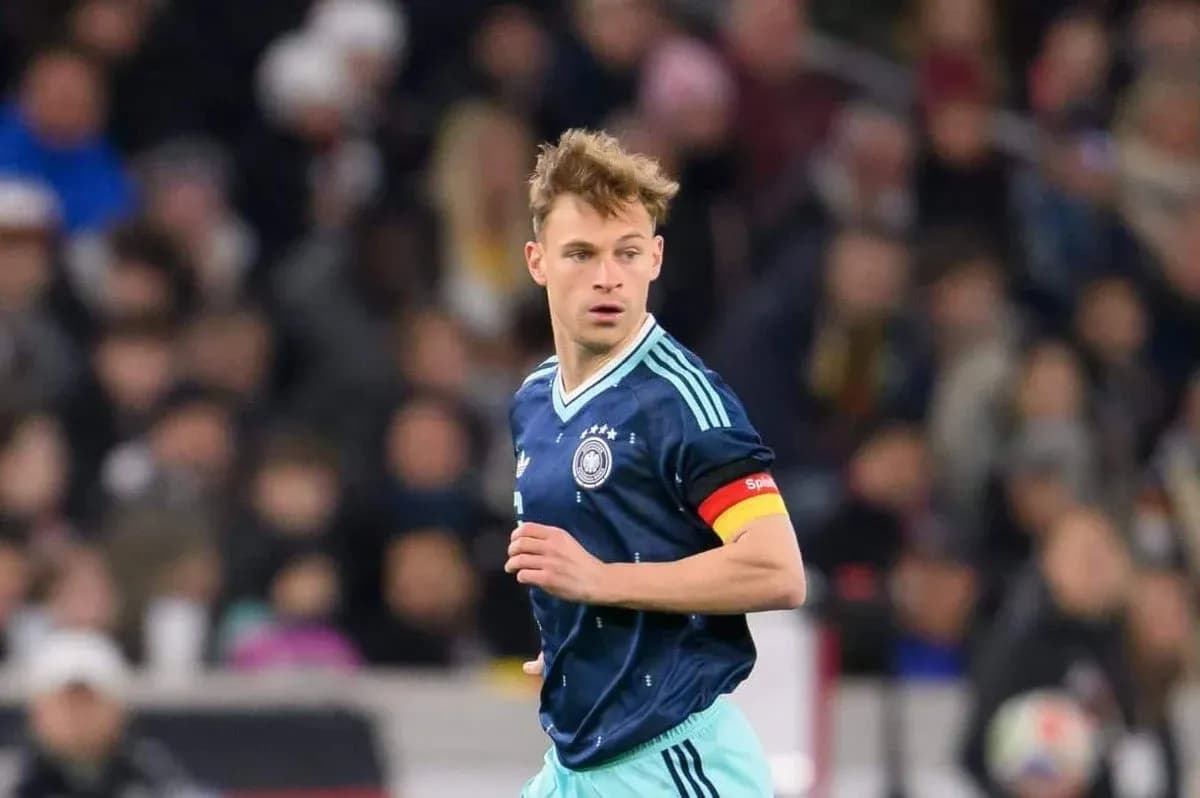
Joshua Kimmich has reasserted himself after a period of uncertainty, Aleksandar Pavlovic has announced his arrival as a serious midfield option, and Jonathan Tah has quietly put together the kind of season that makes him very hard to leave out. Bayern are chasing a treble; their German core has ridden that wave.
Out wide, David Raum has taken a different path. Handed the RB Leipzig captaincy at the start of the year, he has grown into the armband. His game has sharpened, his personality has swelled. This is the best football of his career, played in a young, ambitious side that looks to him for direction as much as delivery from the left.
On the fringes of the squad, others have forced the door open. Anton Stach has turned his first season at Leeds United into a statement, his performances in the Premier League too loud to ignore. Deniz Undav has done the same in the Bundesliga, scoring at a rate only Harry Kane can better. That kind of form is impossible to dismiss when tournament squads are picked.
The stars searching for rhythm
The concern sits higher up the pitch.
Julian Nagelsmann’s preferred front three is no secret: Kai Havertz, Jamal Musiala and Florian Wirtz. On paper, that is a modern, fluid, technically outrageous attack. On grass, this season, it has been stop-start.
Musiala and Havertz have spent long stretches rehabbing serious injuries, their campaigns broken into fragments. They are edging back, showing flashes, but not yet the relentless sharpness a World Cup demands. Wirtz, meanwhile, has walked into the storm at Liverpool. A huge transfer fee, relentless scrutiny, and heavy criticism have weighed on him. His talent is not in doubt; his confidence has taken the hit.
Behind them, Felix Nmecha’s year tells its own story. The Borussia Dortmund midfielder was flying before a knee injury in March halted everything. He should be back in good time before the World Cup build-up begins, but regaining that mid-season level is another challenge entirely. His profile is rare in this Germany squad. There is no like-for-like alternative if he can’t get back to his best.
Injuries and uneasy waiting
The medical bulletin does not make for relaxed reading.
Serge Gnabry, a trusted tournament performer, looks almost certain to miss out after tearing an adductor in mid-April. Bayern have not fixed a public timeline on his recovery, but the indications around the club are bleak. A proven goal threat from wide areas may simply not be available.
Lennart Karl, the 18-year-old Bayern forward who has excited coaches and scouts in equal measure, also hit a bump in April with a muscle injury. He has already missed three games, but has resumed individual training and is expected to play again before the domestic season ends. His case is less about recovery and more about readiness: is there time for an 18-year-old to show he belongs on the plane?
Nagelsmann’s unsolved riddle: the back line
Nagelsmann inherited a defensive puzzle and has not yet solved it. The recent international break underlined the point. Switzerland and Ghana both found ways to trouble Germany, exposing familiar nerves and gaps.
Some things are fixed. Kimmich will start at right-back. Raum will hold the left. Those flanks are spoken for.
The question lies in the middle. Does Nagelsmann pair Tah with Nico Schlotterbeck, whose cultured left foot could help Germany build more cleanly from the back? Or does he continue to lean on Antonio Rüdiger, still arguably the most gifted defender in the pool but increasingly volatile, his temperament as much a talking point as his tackling?
Waldemar Anton sits between those options, a possible compromise: less dramatic than Rüdiger, less expansive than Schlotterbeck, but steady, disciplined, and in strong club form.
Whatever the configuration, Germany cannot bluff their way through this. They will not outscore the world’s best without tightening that line. The attack may carry glamour, but the defence will decide how far they travel.
If the World Cup kicked off today…
On current evidence, and with fitness assumed where possible, a Nagelsmann XI would likely look something like this:
(4-3-3) Oliver Baumann; Joshua Kimmich, Jonathan Tah, Nico Schlotterbeck, David Raum; Aleksandar Pavlovic, Felix Nmecha, Leon Goretzka; Florian Wirtz, Jamal Musiala, Kai Havertz.
Experience, youth, balance, and risk all rolled into one.
Ivory Coast: champions with room to grow
Across the group, Ivory Coast arrive with a different kind of expectation.
Emerse Faé, promoted from assistant to head coach in 2024 after helping guide the side to the Africa Cup of Nations title in 2023, has shaped a team that is both solid and stylish. The Elephants defend with structure and attack with ambition. Their AFCON title defence ended in the quarter-finals against Egypt, a disappointment, but they were among the most watchable teams at the tournament before that exit.
The question is no longer whether Ivory Coast can compete; it is how high this group can climb. Yan Diomande already looks like a star in waiting. Around him, Martial Godo, Bazoumana Traoré, Wilfried Singo and Ousmane Diomande form a cluster of players who could use this World Cup as a launchpad to global recognition.
They will test Germany. They will also test each other. Their warm-up with France on June 4 should offer an early measure of just how dangerous they can be.
Ecuador: waiting on Caicedo
For Ecuador, one issue looms over everything.
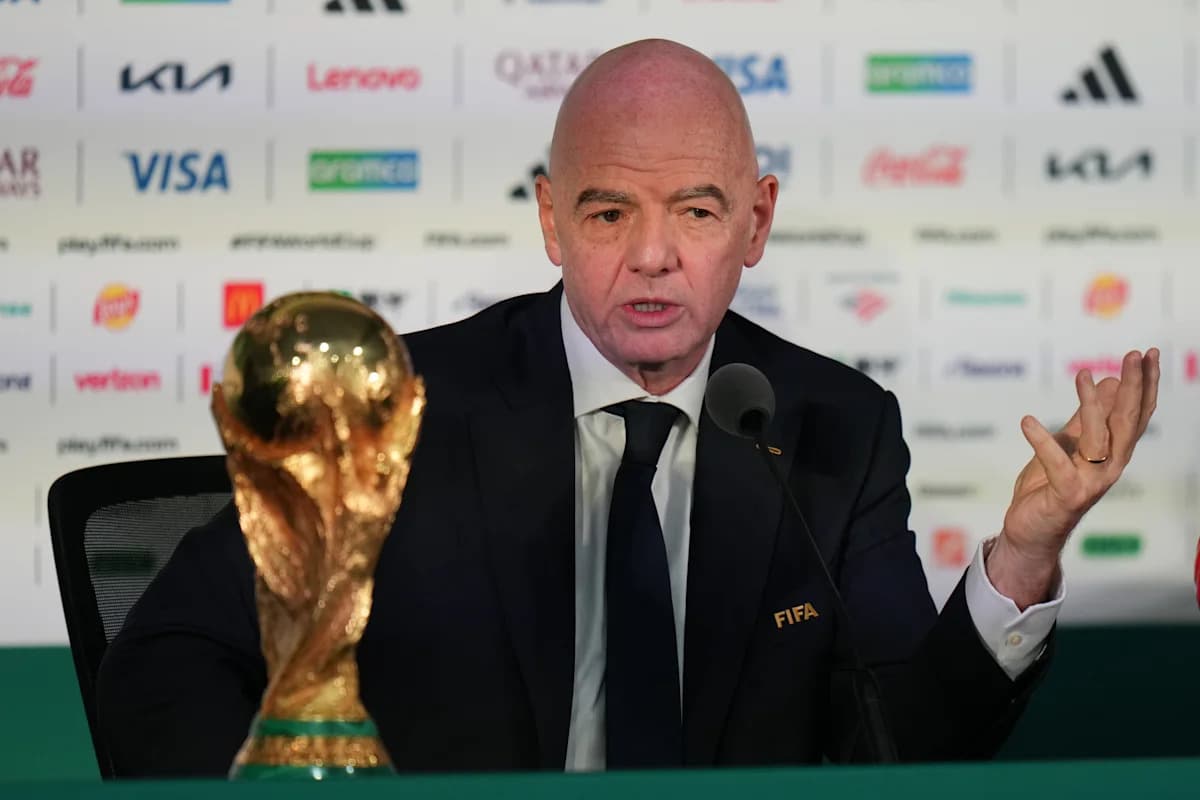
Moises Caicedo, the heartbeat of their midfield, is suspended for the opening game against Ivory Coast after a red card in a qualifier against Argentina in September 2025. The Ecuadorian FA and head coach Sebastián Beccacece have pushed hard for FIFA to overturn that ban. So far, there has been no sign of a reprieve.
With or without Caicedo, this is not a one-man team. A semi-final run at the Under-20 World Cup in 2019 seeded belief that a generation was coming, and 2026 feels like a natural moment for that promise to bloom on the biggest stage.
Still, missing Caicedo in the first match — a fixture that could shape the entire group — would be a major blow. That opener may dictate whether Ecuador are chasing or controlling their destiny.
Their preparations include games against Saudi Arabia on May 30 and Guatemala on June 7, tune-ups that will have a tactical edge as Beccacece plans for life both with and potentially without his midfield anchor.
Curaçao: history, heartbreak and a late change
Curaçao’s story has already broken records. With a population of just 156,000, they are the smallest nation ever to qualify for a World Cup. On an island where baseball traditionally rules, football has muscled its way into the spotlight.
This tournament could change the sporting map of an entire country.
It should also have been a crowning moment for Dick Advocaat. The veteran coach, 78, led Curaçao unbeaten through qualifying and was set to become the oldest head coach ever at a World Cup. Then life intervened. In February 2026, he stepped down to deal with a family health issue, leaving a hole that goes far beyond tactics and team talks.
Fred Rutten, the experienced former boss of Feyenoord, PSV and Anderlecht, has stepped in at 60. His résumé is strong, but the timing is brutal. Weeks, not months, separate him from the biggest tournament in the country’s history. Systems, roles, relationships — all must be rebuilt at sprint speed.
Warm-up games against Scotland on May 30 and Aruba on June 6 will double as auditions and emergency workshops. There is romance in Curaçao’s story, but the reality on the pitch will be unforgiving.
The road, the cost, the fine print for fans
For German supporters heading to the United States, the group stage brings a different kind of shock.
Travel to MetLife Stadium from New York City’s Penn Station is currently priced at around $150 for a return train ticket — an extraordinary leap from the usual $12.90, and from the same route’s pricing during last summer’s Club World Cup. Getting to the game may feel like an away goal conceded before kick-off.
Walking to the stadium is not an option; it is illegal. Buses, too, come at a premium. The logistics will test the patience and wallets of travelling fans long before the team’s resilience is tested on the pitch.
Germany have 50 days to turn questions into answers. The squad has talent, scars, and just enough time to decide whether this World Cup will be another chapter in a decline — or the moment they finally remember who they used to be.