Iran’s Uncertainty and Italy’s World Cup Dream
Less than two months from kick-off, the build-up to the 2026 FIFA World Cup has veered sharply away from tactics and team sheets and straight into geopolitics.
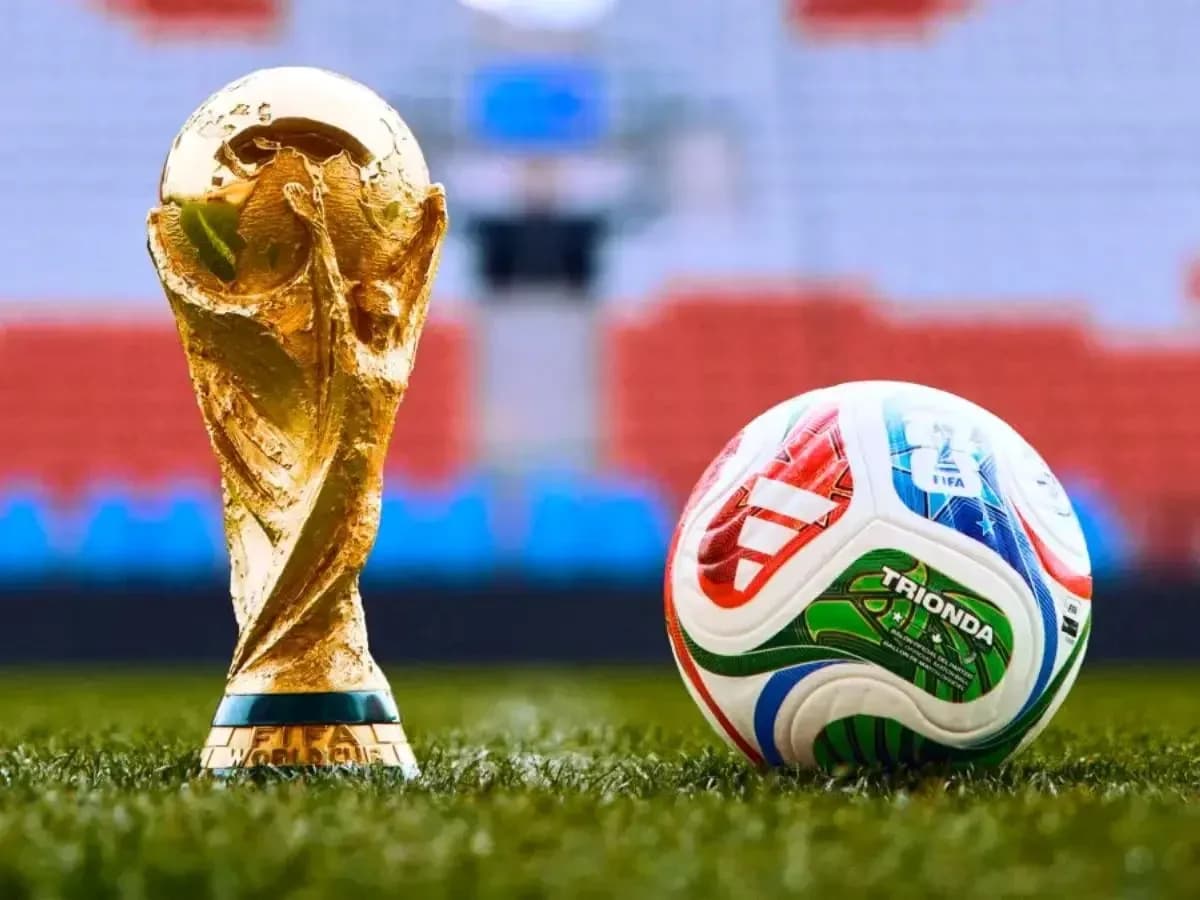
The 48-team tournament, set to start on June 12 across the United States, Mexico and Canada, is already creaking under the strain of diplomatic tension. At the centre of it: Iran’s place in the competition, and an audacious push to parachute four-time champions Italy into the finals despite their failure in qualifying.
A Special Envoy, a Bold Proposal
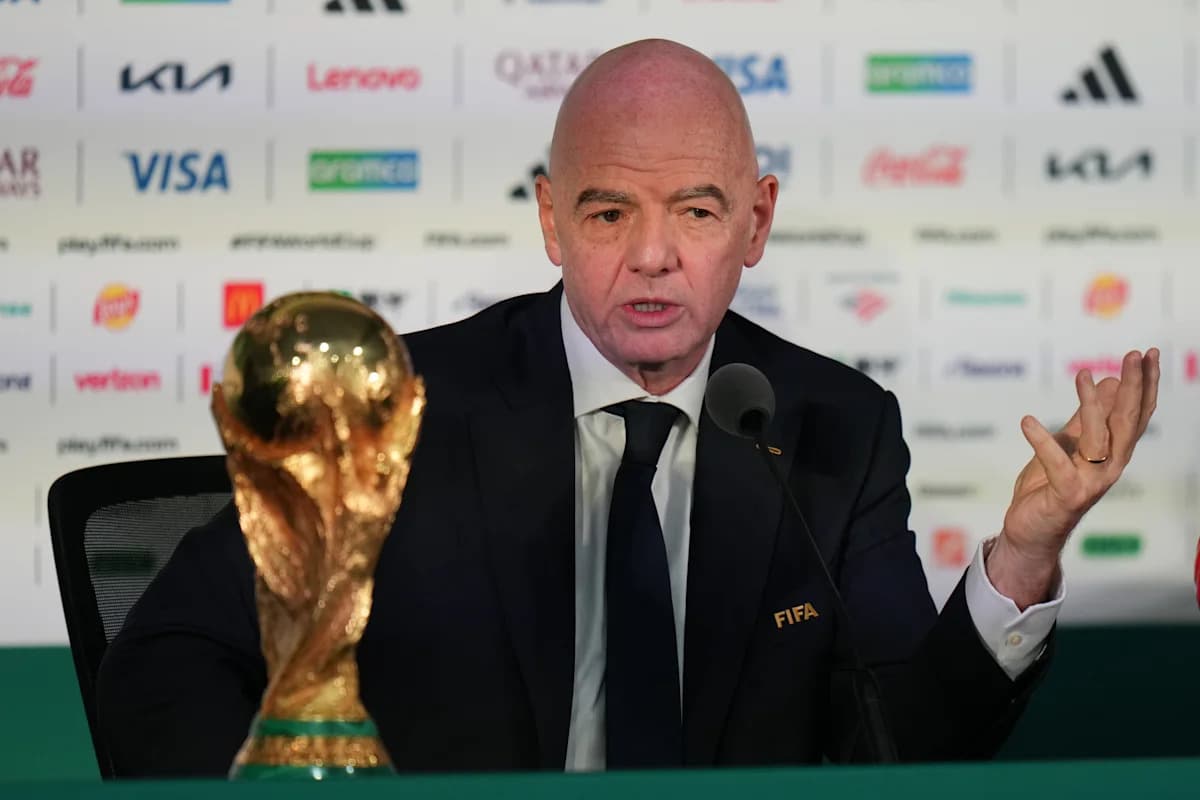
According to a report in the Financial Times on Wednesday (April 22), US special envoy Paolo Zampolli has formally asked US president Donald Trump and FIFA president Gianni Infantino to remove Iran from the World Cup and hand their slot to Italy.
Zampolli did not hide either his nationality or his ambition.
“I confirm I have suggested to Trump and [Fifa president Gianni] Infantino that Italy replace Iran at the World Cup. I’m an Italian native and it would be a dream to see the Azzurri at a US-hosted tournament. With four titles, they have the pedigree to justify inclusion,” he told the FT.
It is an extraordinary intervention. Italy, a nation that has lifted the World Cup four times, stumbled in the qualifiers and failed to book a place on the pitch. Now, a political and diplomatic route is being floated as a way back into the tournament.
The move also carries a deeper political undertone. The suggestion has been framed as a possible way to repair relations between Trump and Italian president Giorgia Meloni, after tensions between the two leaders reportedly flared following Trump’s comments about Pope Leo XIV and the Iran war. Football, once again, finds itself used as a bridge – or a bargaining chip.
Iran’s Stand-Off with the Hosts
While Italy waits on the outside, Iran’s stance has thrown Group G into doubt.
Amid rising tensions with the US, Iran has signalled that it is not willing to travel to American soil for its World Cup fixtures. That position hardened after Trump warned that the Middle Eastern nation “should not travel to the US for their own safety.”
Those words cut straight into the heart of the tournament’s logistics. Iran are scheduled to play all three of their group matches in North America: New Zealand in Los Angeles on June 15, Belgium again in Los Angeles on June 21, and Egypt in Seattle on June 27.
The schedule is clear. The politics are anything but.
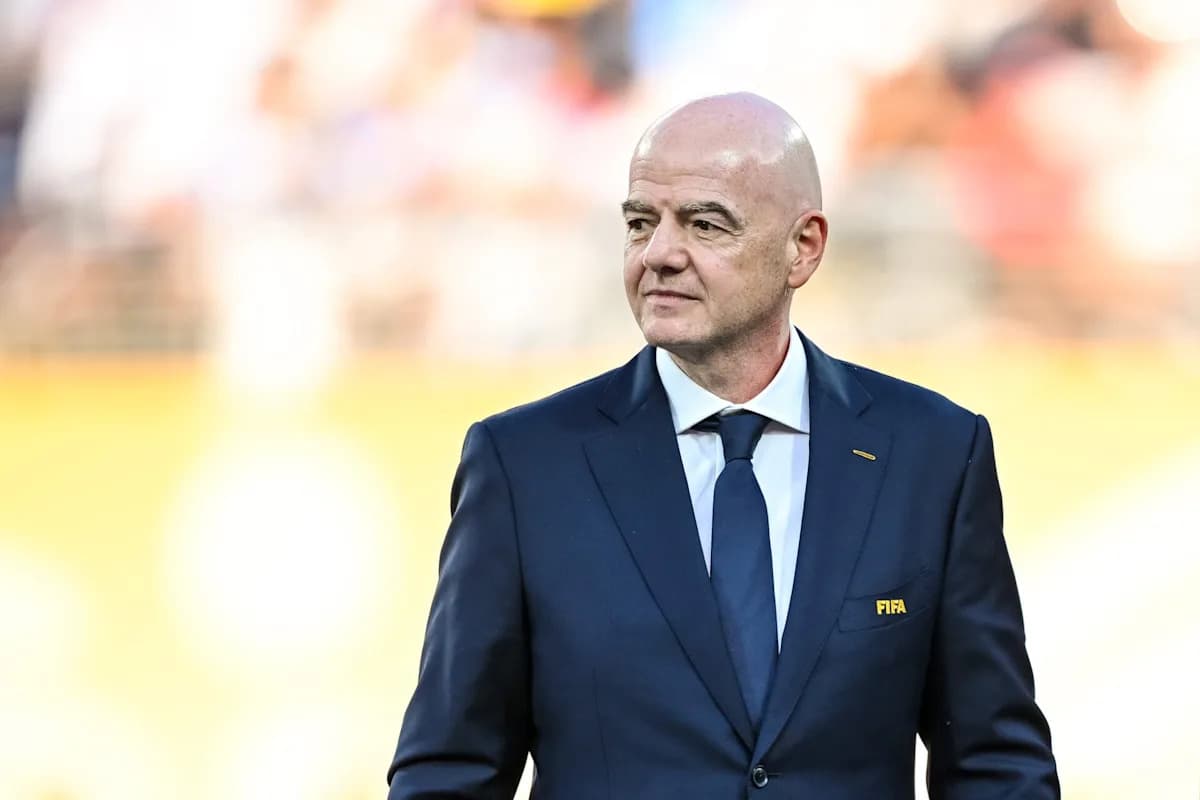
Infantino, for his part, has publicly expressed confidence that Iran will still take part in the competition. For FIFA, keeping sport separate from politics is the official line. In practice, that separation looks increasingly fragile.
A World Cup Caught Between Politics and Pedigree
On one side stands Iran, a qualified team whose participation is now clouded by security warnings, diplomatic hostility and refusal to travel. On the other stands Italy, a giant of the game, absent on sporting merit but backed by a political envoy arguing history and prestige.
The World Cup has long sold itself as the one place where every nation meets on equal terms, decided by what happens on grass, not in government offices. This unfolding saga challenges that ideal head-on.
For now, nothing has changed on paper. Iran remain in Group G. Italy remain out.
But with the clock ticking towards June 12, and a special envoy openly lobbying the White House and FIFA’s top office, the question hangs over the tournament like a storm cloud: will the World Cup field be set by the qualifying table, or by the shifting map of global power?