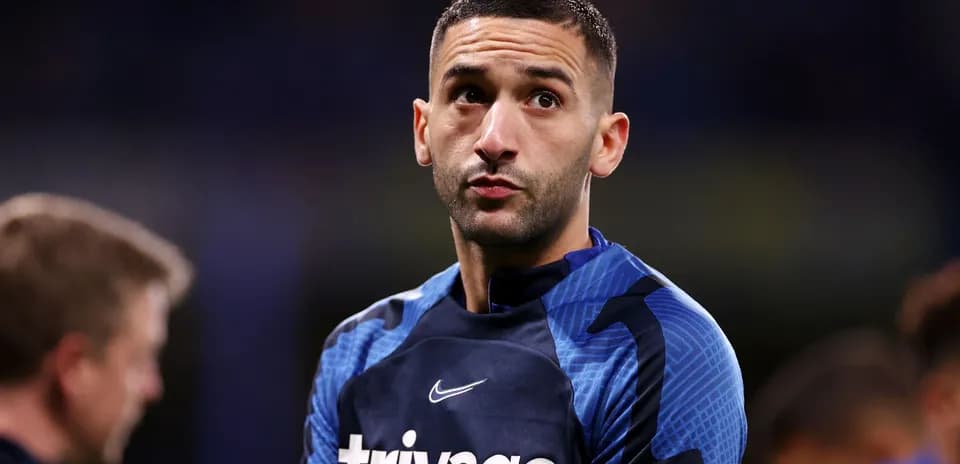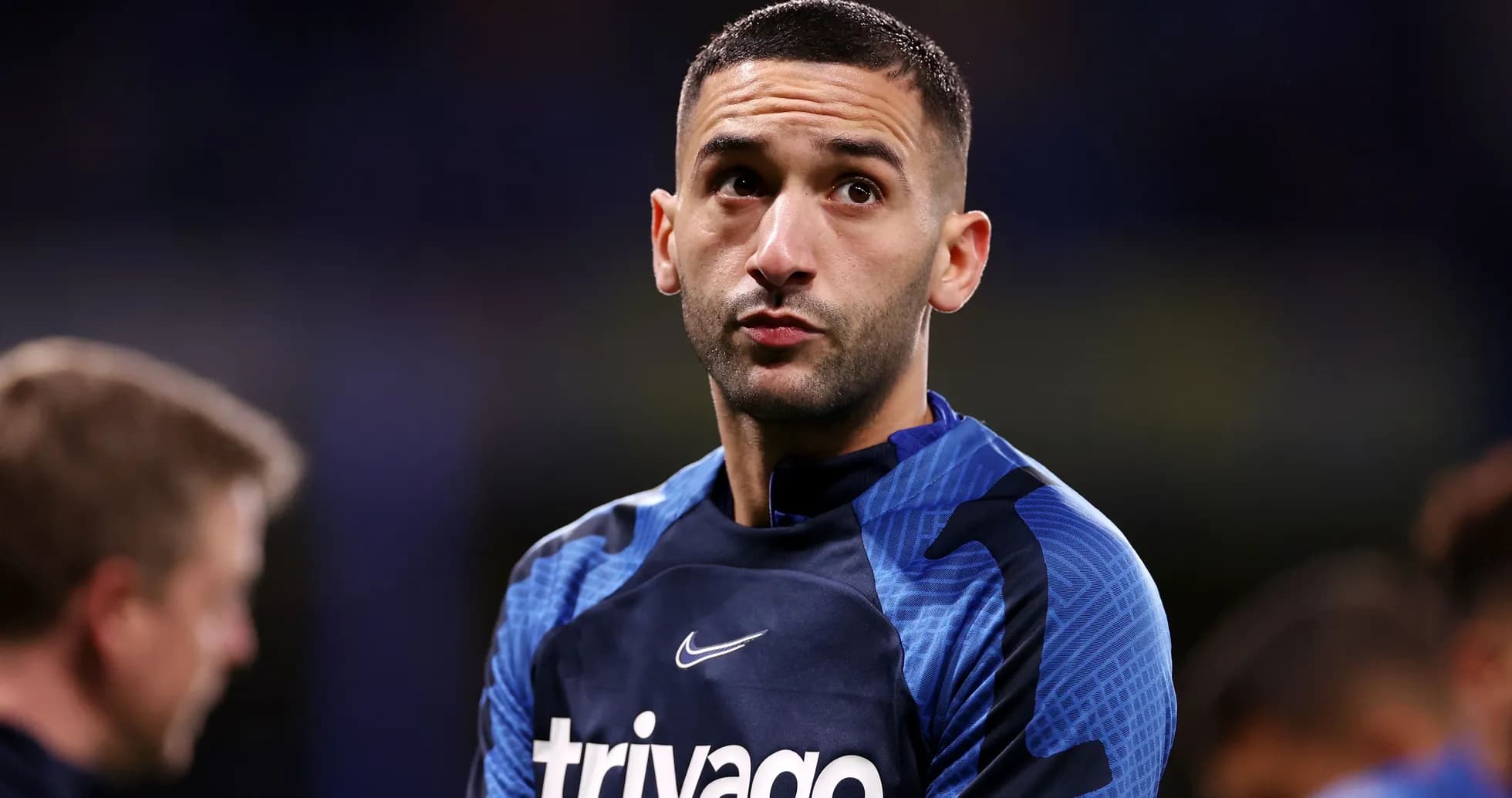
Hakim Ziyech is used to split defences, not parliaments. Yet a single Instagram story from the Wydad Casablanca playmaker has ignited a political storm stretching from Rabat to Tel Aviv, dragging a football star into the heart of Israel’s most controversial new law.
An Instagram post that lit the fuse
The flashpoint came as the Knesset debated legislation on the death penalty for perpetrators of armed attacks. At that moment, Ziyech shared a photo of Israel’s Minister of National Security, Itamar Ben-Gvir, on his official Instagram account.
No slogan. No long statement. Just an image, paired with a pointed question that cut straight to the core of the debate over Israel’s use of force and punishment.
Ziyech wrote: “Will [Ben-Gvir] claim this time that the passing of the new law is merely self-defence?”
In a region where every word on Palestine reverberates far beyond social media, the message landed with force. Ziyech was not talking tactics or transfers. He was challenging the legal and moral basis of a law that could send prisoners to the gallows.
Ben-Gvir hits back
Ben-Gvir, a hardline right-wing figure and one of the most polarising ministers in Israel’s government, did not let the post slide.
His response was swift and scathing.
“An anti-Semitic player cannot lecture the State of Israel on morality,” he said, turning a footballer’s comment into a full-blown political confrontation. The attack went beyond criticism of Ziyech’s stance and tried to discredit him entirely, framing his comments as hatred rather than human-rights concern.
Then came the warning.
“From now on, Israel will no longer deal cautiously with its enemies… Since I took office, the prisons have changed, and God willing, we will apply the punishment to all militants.”
The message was clear: the new law, and the tougher prison regime that has accompanied his tenure, would be enforced without hesitation. Ziyech’s post had not just angered a minister; it had touched a nerve at the centre of Israel’s security doctrine.
A law that shakes the region
Behind the exchange lies a bill that has already sent shockwaves through international rights circles.
In late March, the Knesset approved, in a preliminary reading, a draft law allowing the death penalty for those who carry out armed attacks. Sixty-two MPs backed the move, a figure that underlines how deeply the idea has taken hold within Israel’s current political landscape.
Human rights organisations, both Palestinian and international, reacted with alarm. They warned of the implications for thousands of detainees already held in Israeli prisons, many of them under harsh conditions that have been repeatedly criticised by watchdogs and legal groups.
Reports from inside detention centres speak of deteriorating living standards and health conditions. For those organisations, the death penalty bill is not an isolated measure; it is part of a wider hardening of policy against Palestinian prisoners.
That is the context in which Ziyech spoke. To his critics, he crossed a line. To his supporters, he simply voiced what many already feel.
Rabat enters the fray
The fallout did not remain a personal spat between a minister and a footballer.
In Morocco, the reaction moved from social media timelines to the political arena. The Justice and Development Party, one of the country’s most prominent political forces, stepped forward with a public statement backing the player.
The party described Ziyech’s position as “humane and courageous,” a deliberate choice of words that framed his post not as provocation, but as a moral stance. For them, his comments on Palestinian prisoners aligned with what they called the sentiment of the Moroccan street and the Kingdom’s long-standing support for the Palestinian cause.
In other words, Ziyech was not just speaking as an individual star. He was, in their view, echoing a national mood.
Footballer, symbol, or both?
This is the new reality for modern footballers. A post on Instagram can echo like a press conference. A single sentence can open a diplomatic fault line.
Hakim Ziyech did not reference formations or finals. He questioned a law that could decide who lives and who dies. Ben-Gvir answered by branding him an enemy of Israel’s moral standing and tying his name to the state’s toughest security rhetoric.
Between them lies a bill that could reshape the fate of prisoners and deepen an already volatile conflict.
Ziyech will return to Wydad Casablanca, to training sessions and matchdays, to the familiar rhythm of club football. But after this clash, one question lingers: when players step into the political arena with this kind of clarity, who is really just watching from the sidelines?