Jurgen Klopp's Future: The Legacy Dilemma
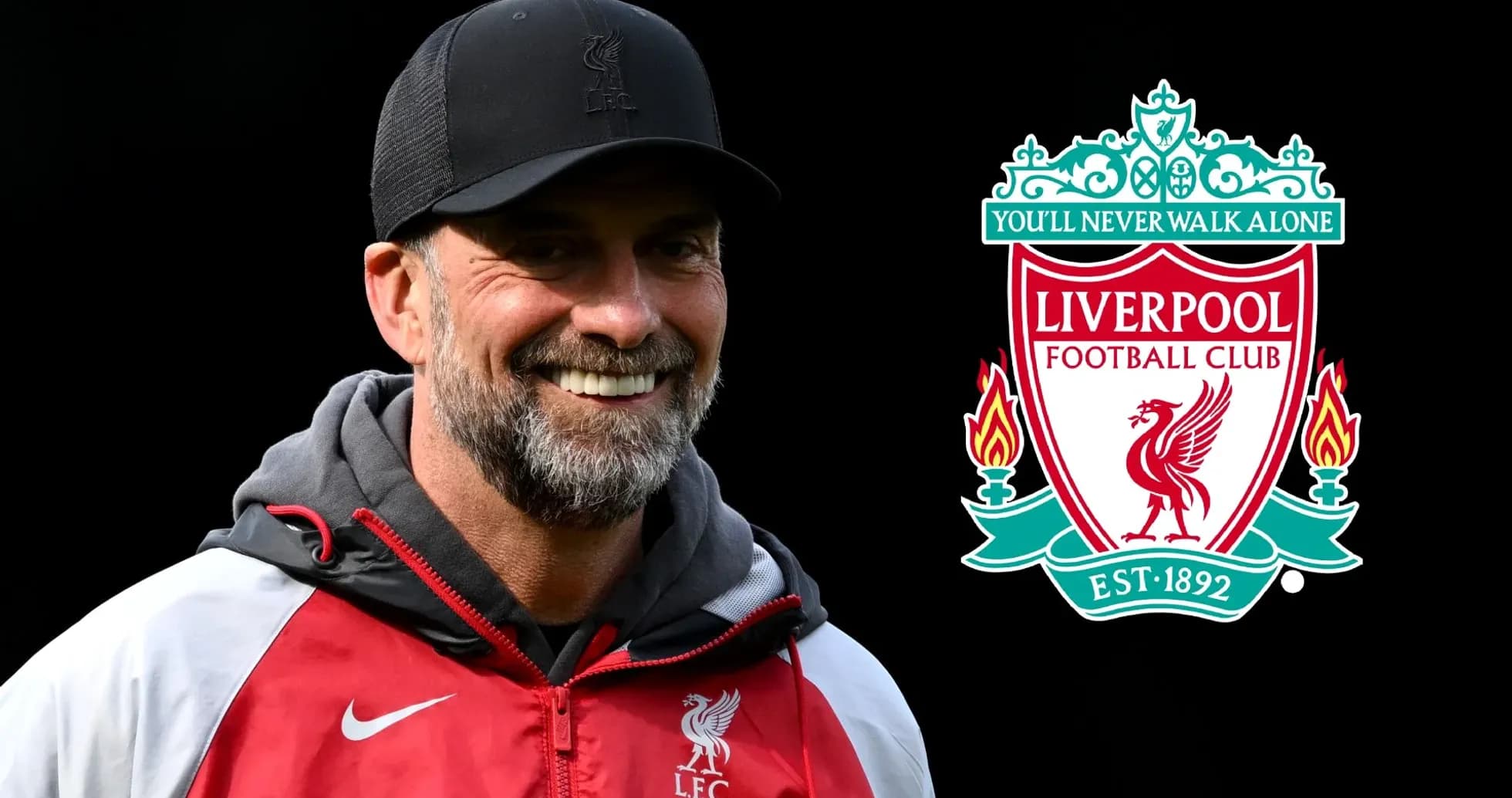
Jurgen Klopp’s name never really left Anfield. It just moved from the dugout to the background noise – a constant hum behind every discussion about Liverpool’s future.
He walked away in 2024, cutting short his contract to escape the grind and recharge. Since then, the 58-year-old has lived a different kind of football life as Global Head of Soccer for Red Bull, away from the touchline, away from the technical area’s white heat. No touchline sprints. No fist pumps. No fourth officials to harangue.
And crucially, no sign from Klopp himself that he’s ready to go back.
The vacuum has been filled by everyone else.
Legacy on the line
The theory is simple enough: give it two years, let the batteries recharge, then tempt him back with the right offer. Real Madrid’s name has already been thrown into the mix as they look for a permanent successor to Xabi Alonso. At Liverpool, the hypothetical runs even hotter – what if Arne Slot stumbles, what if Champions League football slips away, what if the glow of that Premier League title fades faster than expected?
That’s where the romance collides with reality.
Emile Heskey, who knows the weight of the shirt and the expectations that come with it, sees a giant red flag in any talk of Klopp returning to Anfield.
“I think it would be a risk to his legacy,” the former Liverpool striker told GOAL, speaking in association with Freespins.us. In his view, if Klopp decides he wants the adrenaline of the dugout again, the smart move is to find a new stage, not revisit an old one.
“Why risk that?” Heskey asked, pointing down the M62 for evidence. Sir Alex Ferguson left Manchester United more than a decade ago, but his shadow still stretches across Old Trafford and over every manager who follows. Liverpool, Heskey suggests, could fall into the same trap – forever measuring the present against a golden recent past.
For any coach in Klopp’s wake, that’s a suffocating comparison. “The manager has to figure out how to get the best out of his players in the formation that he wants and it fits the way Liverpool are,” Heskey said. A returning Klopp would only deepen that contrast, not ease it.
Slot, the board and the “what if” game
Stan Collymore, another ex-Reds striker, shares that scepticism over a 2026 reunion. For him, the conditions for a comeback are so narrow they border on fantasy.
He has already laid out the scenario to GOAL. It would take Klopp publicly declaring: “I’m coming back to football and Liverpool is the only club for me” to even jolt the board into serious consideration. That sort of statement would be impossible for Liverpool’s hierarchy to ignore.
But if Klopp’s message was different – “I’m coming back but I want a new challenge” – Collymore does not see Liverpool racing to roll out the red carpet. In that case, he expects the club to stand by Slot, the man who delivered the league title in his first season and earned the right to ride out the bumps.
Liverpool, in that reading, is trying to move forward, not live in a permanent state of nostalgia.
You can never say never
Not everyone is ready to close the door.
Gary McAllister, a cult hero at Anfield and a man who has seen Klopp’s impact from close quarters, refuses to rule out a twist in the tale.
“You can never say never on things like that,” he told GOAL, before tracing Klopp’s journey from Dortmund to Liverpool. McAllister remembers the connection with the Yellow Wall, the industrial heartbeat of the city, and a coach who felt purpose-built for that environment.
Then came Liverpool. Another working city. Another fanbase that lives and breathes its football. Another perfect fit.
“You roll the years forward and he comes to Liverpool and again, it's the perfect storm,” McAllister said. A charismatic leader, a huge personality, and a crowd – the Kop – that mirrored Dortmund’s famous terrace in its devotion and noise. Twice, Klopp walked into clubs that felt made for him.
That, McAllister admits, is exactly why going back is so fraught. “For me, it's always very difficult to go back to somewhere where you’ve been unbelievably successful,” he said. The bar is set almost impossibly high. Anything less than the previous peak feels like a step down.
But he stops short of dismissing the idea. “You can never say never. It's a crazy game and it's getting crazier as we speak.”
What he’s certain of is something else entirely: football misses Klopp.
The pull of the grass
Right now, Klopp has something managers rarely enjoy – time. Time with family. Time away from the relentless churn of games, travel, analysis, media, and pressure. His role with Red Bull keeps him in the sport, but at arm’s length from the daily chaos.
McAllister understands the appeal of that. He also understands its limits.
“He's obviously got the ability to spend more time with family and stuff, because you know how demanding management is,” he said. The current job, he assumes, gives Klopp that breathing space. But there’s a familiar itch that never really goes away for football people.
“People who are involved in football just love being on the grass at a training ground,” McAllister added. That’s where the real addiction lies – in shaping a team, feeling the tempo of a session, seeing an idea come to life in real time.
McAllister doesn’t pin that future to any one badge. “I'd like to see him back wherever it is, because I think the game in general has missed him,” he said.
So the Klopp question lingers over Liverpool, Madrid and any elite club that might soon be searching for a saviour. The legacy is secure. The affection is undimmed. The offers, when they come, will be enormous.
The only thing that really matters now is whether Jurgen Klopp still wants to live inside the storm he once commanded.