Liverpool Faces Uncertainty After Michael Edwards' Departure
Liverpool have grown used to turbulence on the pitch. Now the real storm is upstairs.
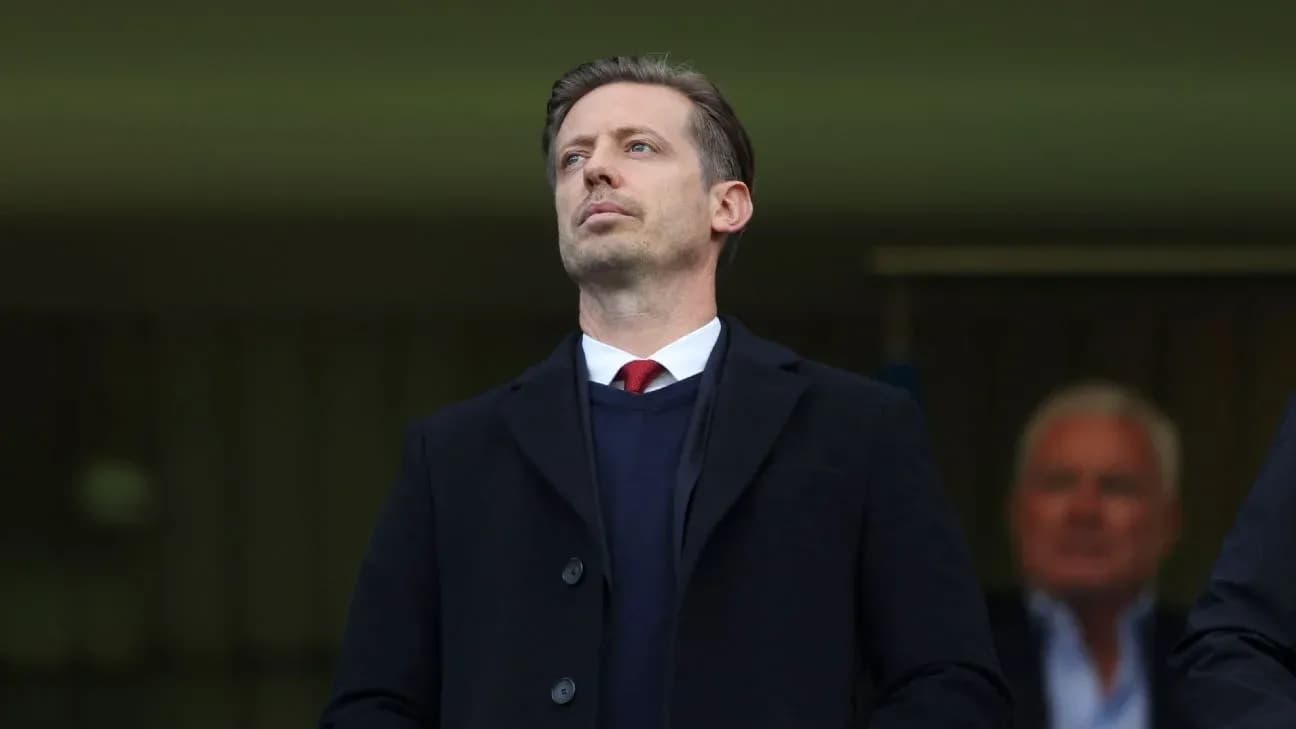
Michael Edwards, the architect of Liverpool’s modern recruitment era and the man Fenway Sports Group (FSG) brought back to spearhead their multi-club ambitions, has walked away with a year left on his deal. His resignation is immediate. So is the sense of uncertainty.
Edwards walks, project stalls
When Edwards returned to FSG in 2024, it was not to reprise his old role under Jürgen Klopp. He came back as chief executive officer of football for the ownership group, charged with building a wider empire: Liverpool as the flagship, supported by a second club under the same umbrella.
That vision has stalled. FSG examined more than 20 potential acquisitions, including Bordeaux and Málaga, and pushed hard to find the right fit. No deal arrived. No portfolio expanded. The grand project was quietly parked earlier this year.
For Edwards, that proved decisive. Sources indicated he had grown frustrated by the lack of tangible progress, and when it became clear the multi-club plan was going nowhere, he chose to go too. FSG tried to keep him, but the man who once reshaped Liverpool’s recruitment department was not for turning.
In a statement, FSG framed his exit as “the culmination of a planned transition following the completion of key strategic priorities.” The timing tells a sharper story: this is another major figure leaving at a delicate moment.
Power shifts back to Boston
With Edwards out, the vacuum at the top of Liverpool’s football structure will not remain empty for long. FSG president Mike Gordon, long a central but often discreet influence in the club’s direction, is expected to step in with a more hands-on role in the day-to-day running.
Gordon has been a trusted decision-maker for years, particularly during the Klopp era, but this is a different landscape. Klopp has gone. The dugout has already changed hands twice in a matter of months. The technical structure around the head coach is in flux. Now, the ownership group’s internal football chief has gone as well.
The pressure on FSG to show clarity of vision, not just cost control and data-driven rhetoric, has rarely been higher.
Anfield in transition – again
Edwards’ departure drops into an already unsettled summer on Merseyside.
Arne Slot, brought in as the first post-Klopp head coach, has already been replaced by former AFC Bournemouth manager Andoni Iraola. That alone would have been enough to define a summer of change. It hasn’t stopped there.
Sporting director Richard Hughes, the man who appointed Iraola and whose contract runs until 2027, now finds his own future under the microscope. He has been linked with Saudi Pro League side Al Hilal, and while no move has materialised, the noise around him adds another layer of doubt to a structure that once prided itself on stability.
Once, Liverpool’s off-pitch operation felt like the safest part of the club. Now, almost every key pillar is either new, shifting, or potentially on the move.
Legacy of a title architect
Edwards does not leave as just another executive. His fingerprints are all over Liverpool’s rise in the last decade.
As sporting director under Klopp until 2022, he helped construct the squad that finally ended the club’s long wait for a league crown, culminating in the Premier League title in 2025. The blend of analytics, sharp market work and clear squad planning became a benchmark for rivals across Europe.
His second stint was different in scope, less visible to supporters but no less ambitious: to stretch that model beyond Anfield and into a broader FSG football network. The idea never truly got off the ground, but the work behind it was extensive.
“When I returned, I was excited not only by the opportunity to help guide Liverpool through an important period of transition, but also by the chance to help shape FSG’s wider football ambitions,” Edwards said in his farewell statement. He spoke of a “broad range of thoughtful and well-developed options” presented to ownership, of pride in the process even as the outcome changed course.
He leaves convinced, publicly at least, that Liverpool remain “in a strong position, with outstanding people, a clear direction and the foundations in place for continued success.”
What comes next?
That is the question now hanging over Anfield. The foundations Edwards talks about are there: a competitive squad, a global fanbase, a club that still sells itself to players and sponsors alike. But foundations mean little without a settled structure on top.
Iraola must impose his ideas amid a swirl of boardroom change. Hughes must decide whether his long-term future lies at Liverpool or elsewhere. Gordon must turn from strategic overseer into daily operator. FSG must decide what they want Liverpool to be in a world where the multi-club dream has been put back in the drawer.
Edwards has had his say and stepped away. The next chapter of Liverpool’s story will be written without the man who helped script some of its finest modern pages. The question now is whether the people left in the room can keep the club on a title-winning path, or whether this summer of upheaval marks the start of a very different era.