Mahli Beardman: Australia's Fast-Bowling Sensation Debuts with 6 for 24
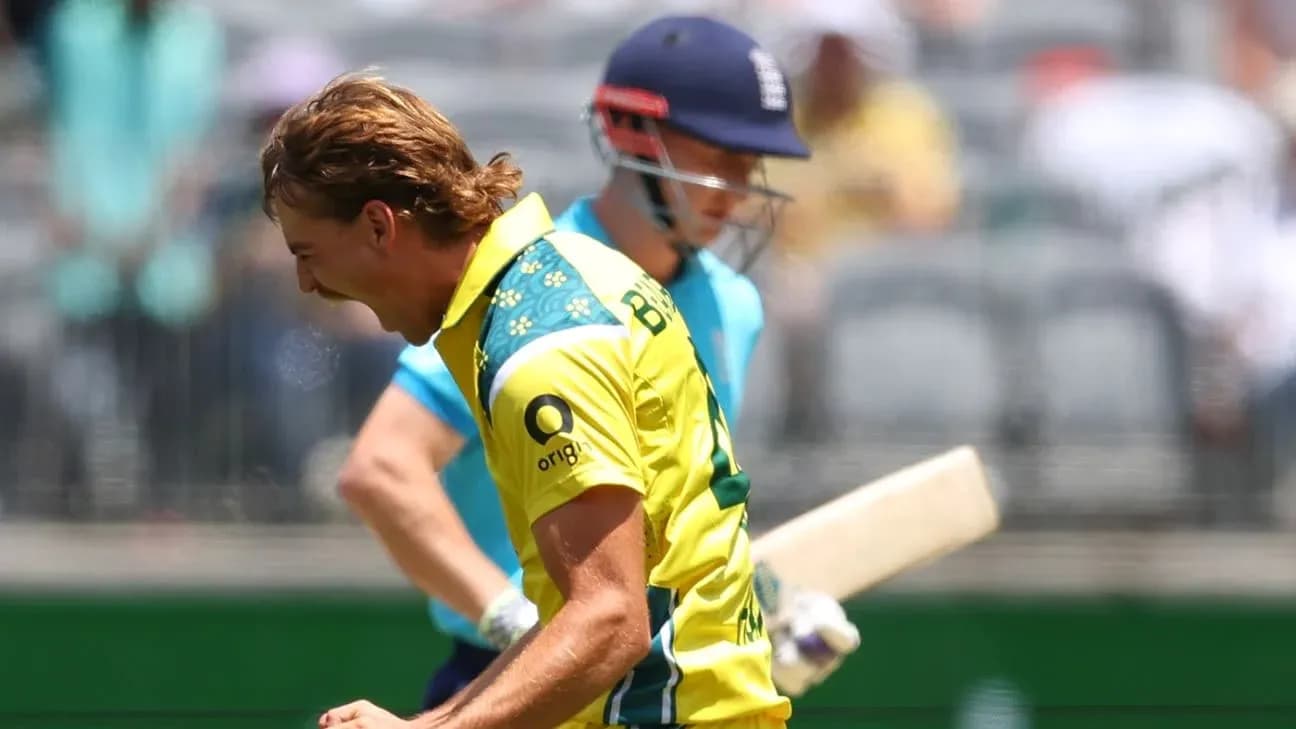
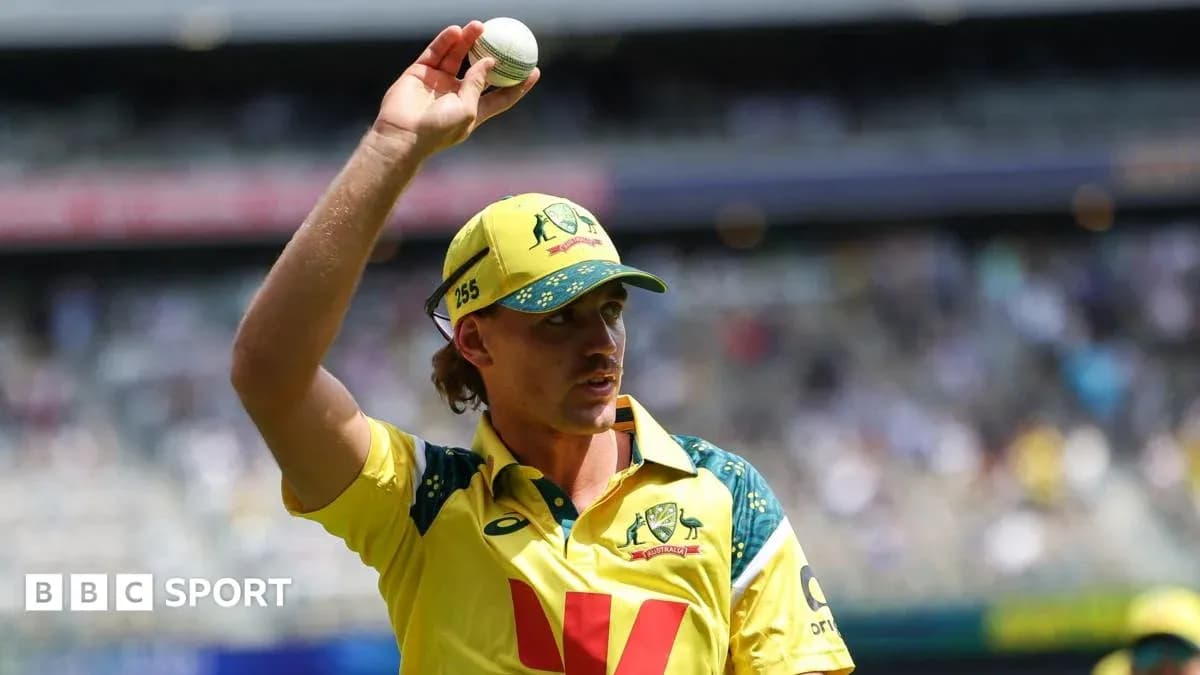
Mahli Beardman walked off the Perth turf with England in ruins, a white Kookaburra in his hand and the kind of debut figures that echo down generations. Six for 24. At 21. First ODI on home soil. Best figures by an Australian on one-day debut.
His celebration plan? Nothing grand, nothing theatrical. Just get down to the beach.
That’s Beardman. Australia’s newest fast-bowling obsession, but still the kid who wants a board under his arm and salt in his hair.
A surfer who bowls thunder
On a night when Australia needed a distraction from its wider cricketing angst, Beardman offered something purer: pace, movement, and a sense of freedom. To him, sandpaper is for smoothing fiberglass, not roughing up a ball.
Mitchell Marsh, Western Australia team-mate and now his international captain, could barely hide his delight. Marsh spoke of a young quick who lives lightly, loves the ocean and is obsessed with the craft of fast bowling. Beardman looked every bit that blend of laid-back surfer and ruthless strike bowler.
Yet this was no overnight miracle. It was a long time coming – and almost never came at all.
Two years ago, Beardman was a project, not a finished product. With just one professional match behind him, he toured England with Australia’s white-ball squads after impressing at the Under-19 World Cup. He didn’t play a game, but those practice spells during the intervals caught the eye: blond hair streaming, a smooth, whippy action, and serious heat. It felt like a teaser trailer for future Ashes series.
His inspirations are pure fast-bowling folklore. Watching Mitchell Johnson dismantle England in the 2013-14 Ashes pushed him towards the game. Since his teens he has worked with Dennis Lillee, another Australian quick who made English summers feel very long and very painful. Add that lineage to Beardman’s natural accuracy, zip off the deck and easy pace, and the ingredients always looked promising.
Then his back broke down. Twice.
The injuries that nearly stalled it all
In 2025 came the first of two stress injuries, the curse that stalks young fast bowlers. The second arrived cruelly soon after his first Australia appearance – a T20 in Pakistan in January, where he had taken a tidy 2-33.
Just before that, he’d rattled Steve Smith in a Big Bash play-off, dismissing the Australia great and making serious noise in the process. Momentum was building. Then his body said no.
"There is always doubt," Beardman admitted after his demolition job on England. The question was never about love for the game. It was more brutal than that: would he ever bowl the same again? Would the speed still be there?
On Friday in Perth, those doubts were scattered like stumps.
This is the ground where he has played all his domestic cricket, the pitch he knows better than any other. Across 7.4 overs, he averaged 86.5mph – the quickest match of his professional career. One ball hit 90.6mph, another personal best. The radar confirmed what the eyes already knew: this was serious pace.
The numbers, though, only tell half the story.
Line, length, and a ruthless education for England
What really broke England was not just the speed, but the relentlessness. Beardman barely offered a release ball. His line was tight, his length nagging. He moved the ball both ways – not extravagantly, but just enough.
Harry Brook was the first to go, edging to slip at the start of Beardman’s second over for his maiden ODI wicket. As the noise surged, Adam Zampa sprinted in from the field, tapped the youngster on the back and offered a simple instruction: keep a level head. It was a small moment, but it helped cool the adrenaline.
Then came Joe Root, driving at one that wasn’t quite there and nicking off. Jordan Cox followed, prodding uncertainly and paying the price. By now, Beardman was hunting.
He changed the script with a short ball to Sam Curran, who took on the hook and picked out fine leg. It was a reminder that this isn’t just a line-and-length merchant; he has the bouncer to disturb rhythm and the game sense to use it.
From the commentary box, Tom Moody watched him live for the first time in a 50-over international and sounded genuinely struck. The former Australia all-rounder praised Beardman’s lively pace, late swing both ways and, above all, his immaculate control. Moody suggested his heart rate barely flickered.
That, more than the wickets, might be what stays with selectors and opponents alike.
The aura of someone who “has it”
For all the data and biomechanics, cricket still leans on instinct when judging talent. Michael Vaughan, watching from the other side of the old rivalry, saw something familiar. He spoke of Beardman’s persona, the way he strolls around as if he’s playing club cricket, the unbothered body language of someone who belongs.
Sometimes you just look at an athlete and know, Vaughan said: they’ve got it. Whatever “it” is – presence, poise, inevitability – Beardman carried it in Perth.
This was only his 12th professional List A match. He has played 14 T20s. He has not yet played a first-class game. That in itself feels astonishing given how ready he looked under the lights, ball in hand, dismantling England.
Australia has seen this movie before: a young quick, raw but thrilling, bursting through with pace and hostility. The difference now is the management. His return has been carefully staged after those back injuries, every step measured.
If they get that balance right – if his body holds, if the overs are rationed, if the rhythm is allowed to grow without being abused – Beardman doesn’t just look like a short-term white-ball weapon. He looks like the next long-term problem for batters from London to Lahore.
For now, though, he’ll do what he always does. Head for the coast, wash off the sweat and noise in the Indian Ocean, and think about nothing more complicated than the next wave.
The rest of the cricket world will be thinking about something else entirely: how on earth they plan to handle him.