Manchester United vs AS Roma: UEFA Champions League Clash
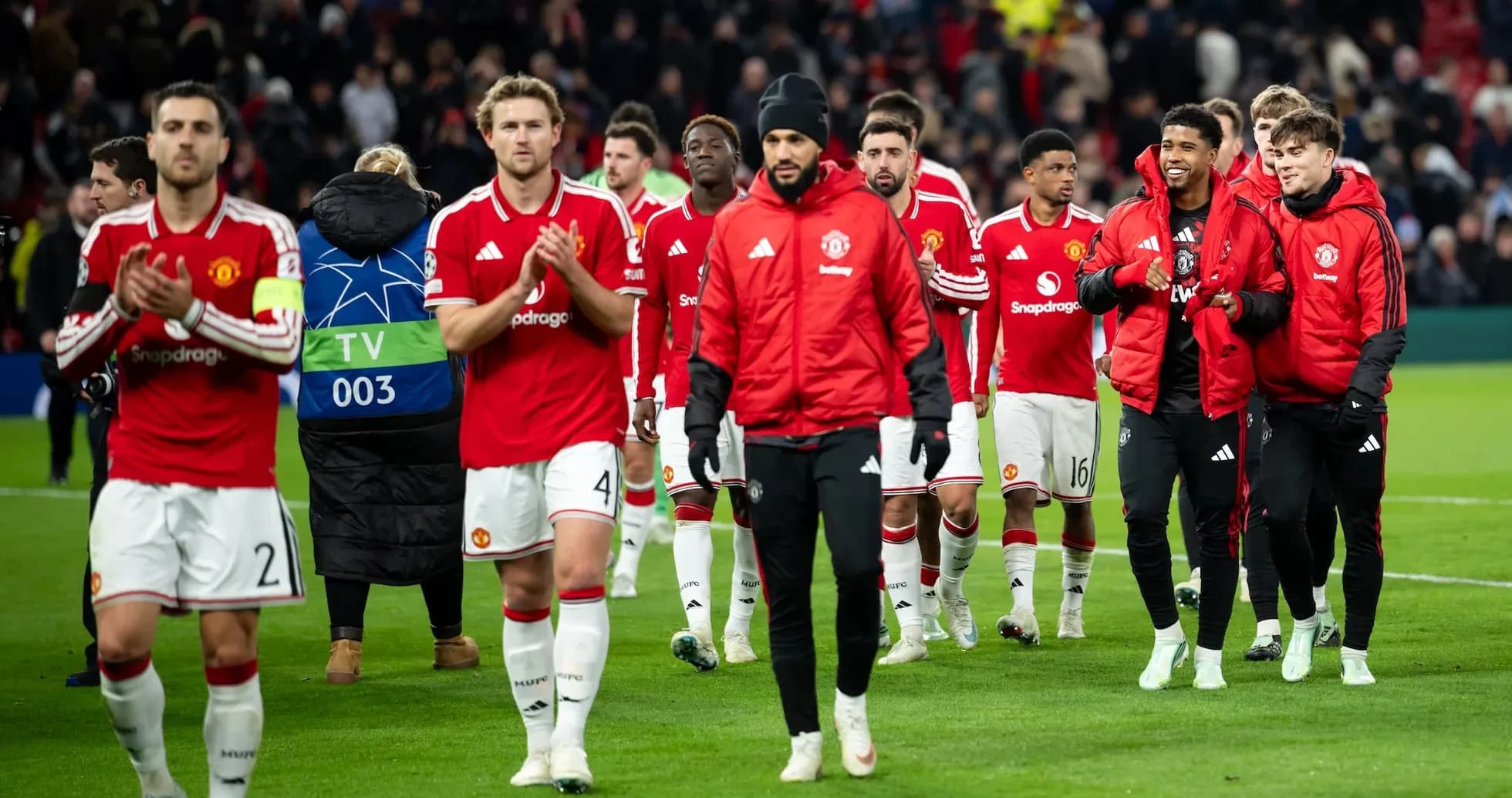
Under the Old Trafford floodlights, this League Stage – 4 clash in the UEFA Champions League unfolded as a study in extremes: a Manchester United side that is ruthless at home yet fragile on their travels, and an AS Roma team that marries explosive attacking spells with a worrying late‑game collapse. The 3–2 scoreline to United, after trailing 0–2 at half-time, felt like the logical endpoint of both teams’ seasonal DNA.
Heading into this game, United sat 17th in the overall standings on 6 points from 4 matches, with a perfectly balanced goal difference of 0: 8 scored and 8 conceded. The split was stark. At home they had been flawless – 2 wins from 2, 7 goals scored and only 2 conceded – averaging 3.5 goals for and 1.0 against at Old Trafford. Away, they were a different side: 2 defeats, 1 goal scored and 6 conceded, averaging 0.5 for and 3.0 against. Roma, 20th with 4 points from 4, carried a more open profile: 10 goals scored and 8 conceded overall, giving them a goal difference of +2. At home they averaged 3.5 goals for and 2.0 against; on their travels, 1.5 scored and 2.0 conceded.
Tactical Overview
The tactical story began with the lineups. Michael Carrick kept faith with a 4‑2‑3‑1 that has been United’s constant in Europe, used in all 4 matches so far. S. Lammens started in goal behind a back four of Diogo Dalot, A. Heaven, H. Maguire and L. Yoro. In front of them, the double pivot of K. Mainoo and C. Baleba was tasked with bridging defence and attack, freeing a creative trio of A. Diallo, Bruno Fernandes and Matheus Cunha to feed lone forward B. Mbeumo.
Across from them, Gian Piero Gasperini’s Roma leaned into their 3‑4‑2‑1, also deployed in all 4 Champions League outings. D. Vásquez anchored a back three of Hermoso, L. Balerdi and G. Mancini. The wing‑back line of Wesley and D. Rensch flanked the central pairing of B. Cristante and M. de Roon, while M. Soulé and Rodrigo Mora operated between the lines behind D. Malen, the competition’s form attacker for Roma.
Injuries Impact
Injuries stripped both squads of familiar reference points and quietly reshaped the tactical landscape. United were without P. Dorgu, M. Rashford, B. Sesko, L. Shaw and M. Ugarte – a cluster that thinned their options at left-back, in the front line, and in ball‑winning midfield. That absence of a natural destroyer made the choice of Baleba and Mainoo crucial: they had to provide both circulation and protection. For Roma, the loss of P. Dybala, M. Kone, L. Pellegrini and goalkeeper M. Svilar removed creativity, ball‑carrying and leadership from the spine. Without Pellegrini and Dybala, Gasperini’s side leaned even more heavily on Malen and the vertical running of Soulé and Mora.
Discipline and Temperament
Discipline and temperament hovered over the contest. United came into the night with a reputation for walking the tightrope: their season card profile shows yellow cards spread fairly evenly from 16‑90 minutes, with a notable late spike – 33.33% of their yellows arriving between 76‑90 minutes. More strikingly, they had already seen red twice in the competition, with dismissals clustered between 61‑75 minutes and 91‑105 minutes. Individually, Matheus Cunha and Leny Yoro had each been sent off once. Roma, by contrast, had yet to see red, but their yellows were distributed across the middle and late phases, with 25.00% arriving in the final 15 minutes. In a match of fine margins, United’s tendency to lose control in the final third of games and Roma’s late bookings both threatened to tilt the closing stages.
The Hunter vs Shield Duel
The “Hunter vs Shield” duel was embodied by Malen against United’s back line. Malen arrived with 4 goals and 2 assists in 4 appearances, averaging more than a goal contribution per game, with 13 shots (8 on target) and 2 successful penalties from 2 attempts. He is not just a finisher but a complete forward: 74 passes with 6 key passes at 87% accuracy, 12 dribbles attempted with 6 successful, and even 2 blocked shots in his own defensive work. His task was to exploit a United defence that, overall, conceded 2.0 goals per match and showed a pronounced vulnerability early and late: 37.50% of their goals against arriving in the opening 15 minutes and 25.00% between 76‑90.
United’s “Shield” was not just the centre‑backs but the structure around them. Yoro’s Champions League profile – 5 tackles, 2 successful blocks and 8 interceptions in 3 appearances – speaks to an active, front‑foot defender. Maguire’s presence alongside him, screened by Baleba and Mainoo, was designed to compress the space Malen loves to attack between the lines and into the channels. Yet Roma’s scoring pattern suggested danger in waves: 27.27% of their goals between 16‑30 minutes, 18.18% between 31‑45, and a brutal 36.36% between 46‑60. That mid‑game surge aligned ominously with United’s own soft underbelly between 46‑60, where 25.00% of their conceded goals occur.
Engine Room Dynamics
In the “Engine Room”, Bruno Fernandes and Matheus Cunha faced the graft and positional discipline of de Roon and Cristante. United’s attacking timing is revealing: they do not start fast, with no goals at all between 0‑15 minutes, but they grow into games. They score 25.00% of their goals between 31‑45 minutes, another 12.50% between 46‑60, and then surge again late: 25.00% between 76‑90 and 12.50% between 91‑105. That late‑game push intersects almost perfectly with Roma’s greatest defensive weakness: a staggering 62.50% of their goals conceded arriving between 76‑90 minutes. Gasperini’s side tends to unravel just as United’s attacking volume peaks.
Conclusion
This is the critical intersection that defined the night. Roma’s structure and Malen’s cutting edge were always likely to punish United in the first hour, when the English side concede 37.50% of their goals in the opening quarter‑hour and another 25.00% between 46‑60. But as legs tired and the game stretched, the probabilities swung sharply towards United. Their home average of 3.5 goals per match, combined with Roma’s late‑collapse profile and United’s own tendency to pile on pressure in the final quarter, pointed to a high‑variance, comeback‑friendly script.
From a statistical prognosis standpoint, the underlying numbers painted a chaotic but comprehensible picture. United’s overall average of 2.0 goals for and 2.0 against, Roma’s 2.5 for and 2.0 against, and both teams’ records of only one clean sheet each suggested that any xG model would tilt towards a multi‑goal contest rather than a cagey stalemate. United’s perfect penalty record in the competition (1 from 1, no misses) removed a potential variance point; Roma’s own 2 from 2 from the spot did the same. With both sides reliable from twelve yards and neither able to consistently shut the door, the margins were always going to be found in timing, stamina and discipline.
Following this result, United’s home aura in Europe remains intact, and the narrative hardens: at Old Trafford they are a surging, late‑finishing side built around Bruno’s orchestration and Cunha’s aggression; on their travels they remain a work in progress. Roma leave with nothing but with their identity confirmed too: a team that can blitz opponents in the middle third of matches through Malen and his supporting cast, yet one that must solve its dramatic late‑game frailty if it is to survive the knife‑edge of Champions League knockout football that awaits beyond the League Stage.