Manchester United's Troubling Start: Lessons from Carrick and Amorim
The mood around Manchester United was supposed to be different this year.
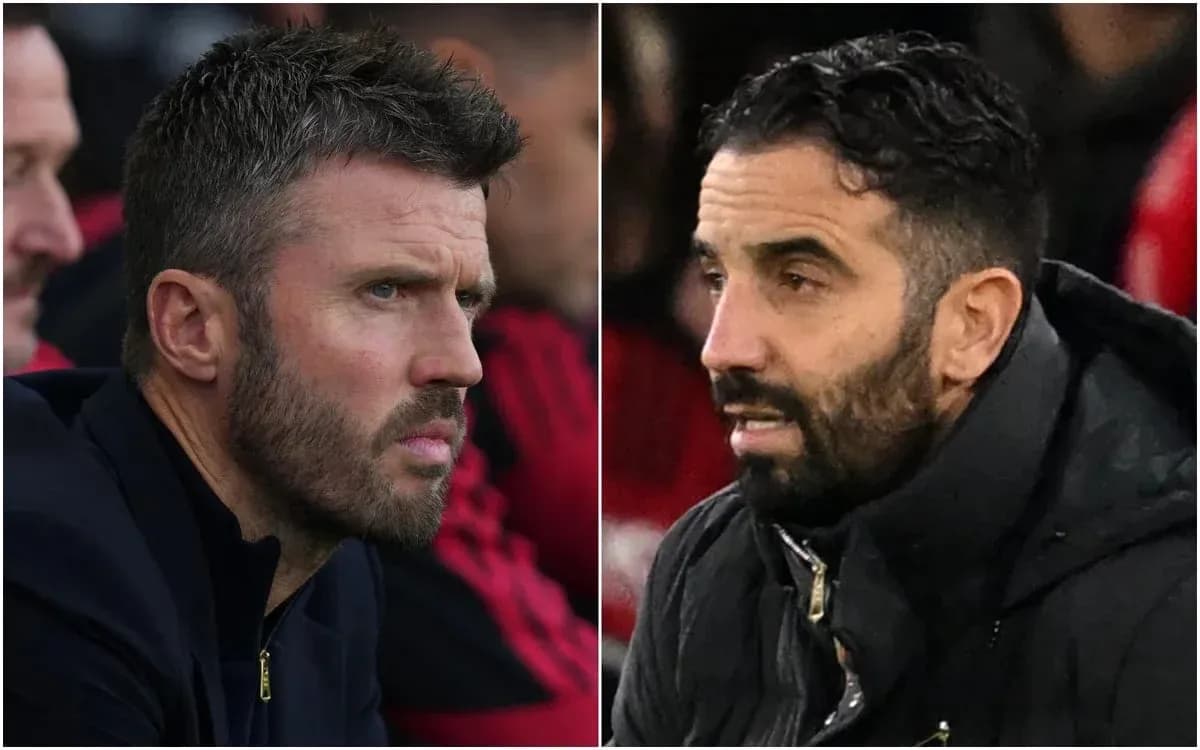
Michael Carrick’s calm authority, a storming run to third place after he took over in January, and a summer built on that momentum had Old Trafford braced for a genuine step forward. United had collected more points than anyone else in the Premier League over that spell. It felt like the start of something.
Seven games into the new campaign, that feeling has evaporated. And the echoes of Ruben Amorim’s ill-fated start to 2025-26 are getting harder to ignore.
Matching numbers, worrying memories
Strip away the emotion and look at the record. It is stark.
Seven games under Carrick this season: two wins, three defeats. Identical to Amorim at the same stage last year, even before you factor in the manner of United’s cup exits.
United are already out of the Carabao Cup again, beaten by Brighton last week. Last season’s early penalty shoot-out defeat to Grimsby in the same competition felt like a nadir; this year’s exit hardly soothes any nerves.
The league table is no kinder. Five points from five games leaves United 12th, their joint-worst tally at this stage of a Premier League season. The only other time they started this slowly was in 2014/15 under Louis van Gaal.
Only newly promoted Ipswich have been beaten by Carrick’s side in the league.
Under Amorim, six of his first seven games last season were in the Premier League. United were 14th then, having scraped home wins over Burnley and Chelsea at Old Trafford. It was ugly. It was nervy. It was also the beginning of the end.
Carrick is nowhere near that level of pressure yet. But the numbers are starting to rhyme.
The data tells a familiar story
Look under the bonnet and the pattern becomes even more familiar.
Last season, the analytics painted a kinder picture of Amorim’s United than the table did. After seven games, United ranked fourth in the expected-points standings, a huge jump from their actual position of 14th.
This time, the model is again far more generous than reality. United sit sixth in the expected-points table, while the real table shows them 12th. Once more, the underlying process looks better than the results.
The main driver is the same: United are creating more than they are taking.
Under Amorim at this stage last year, United had scored just seven league goals from an expected-goals total of 12.04. The wastefulness was glaring.
Carrick’s side are following the same path. The gap is smaller, but it still matters – an xG of 10.59, only eight goals actually scored.
In plain terms, they are not finishing. The chances are there, the cutting edge is not.
Last season, that imbalance eventually softened. United ended the campaign with an expected-goals total only a little over three higher than their goal tally, a sign that some of the early wastefulness did correct itself.
You can look at that and see encouragement: keep creating, and the goals will come. Or you can look at the same numbers and ask a harder question: do United actually have enough reliable finishers?
Same pressure, different temperature
This is where the comparison with Amorim starts to diverge.
The mood music around Carrick is very different to the noise that surrounded the Portuguese coach a year ago. Carrick has credit in the bank. A third-place finish, a surge up the table, and a sense that he stabilised a drifting club all buy him time.
Amorim never had that luxury. After seven games of the 2025-26 season, the knives were already being sharpened. He had collected just 34 points from 33 league matches in charge and had never managed back-to-back Premier League wins. The narrative was set.
There was also a clear tactical fault line. Amorim’s commitment to a wing-back system became a lightning rod. Critics argued the shape did not suit the squad, that a back four would unlock more from the players at his disposal. He refused to budge, and the system became a symbol of his stubbornness.
Carrick, by contrast, has not yet been boxed into a tactical stereotype. His biggest criticism after Sunday’s flat draw with lowly Fulham was not shape, but attitude. The focus was on a lack of work off the ball, with plenty of running data to back up the accusation that United simply did not press or compete hard enough.
That stings in a different way. Shape is theory. Effort is character.
Lessons from Amorim – and a warning
Amorim tried to sound unruffled as the pressure built last season.
“I am never concerned about my job,” he said after United’s seventh game – a 3-1 defeat at Brentford. It was a defiant line, but the tide never really turned. Performances plateaued, the atmosphere soured, and his position only became weaker.
He survived until January, and even then it took a public swipe at the board to finally end his tenure. When he left, United were sixth. Respectable on paper. Unconvincing in reality.
Now he is at AC Milan, unbeaten and two points off the pace in Serie A. A reminder that the manager who fails in one environment can thrive in another.
Carrick is not at that stage. He signed a permanent two-year deal only in May. The club hierarchy backed him, the dressing room responded last season, and the fanbase largely embraced the change.
But the Premier League does not do sentiment for long. As Gary Neville pointed out on Sunday: “If those types of performances continue, he will find himself in a lot of trouble.”
The data says United are better than their league position. The table says they are not. Carrick’s job is to close that gap before the numbers start to look like an excuse rather than an explanation.
United have been here before. The question now is whether this campaign becomes a repeat of Amorim’s slow-motion slide, or the moment Carrick proves that last season’s surge was the start of a new era, not just a brief, exhilarating high.