Marcus Rashford's Future: A Summer of Reflection
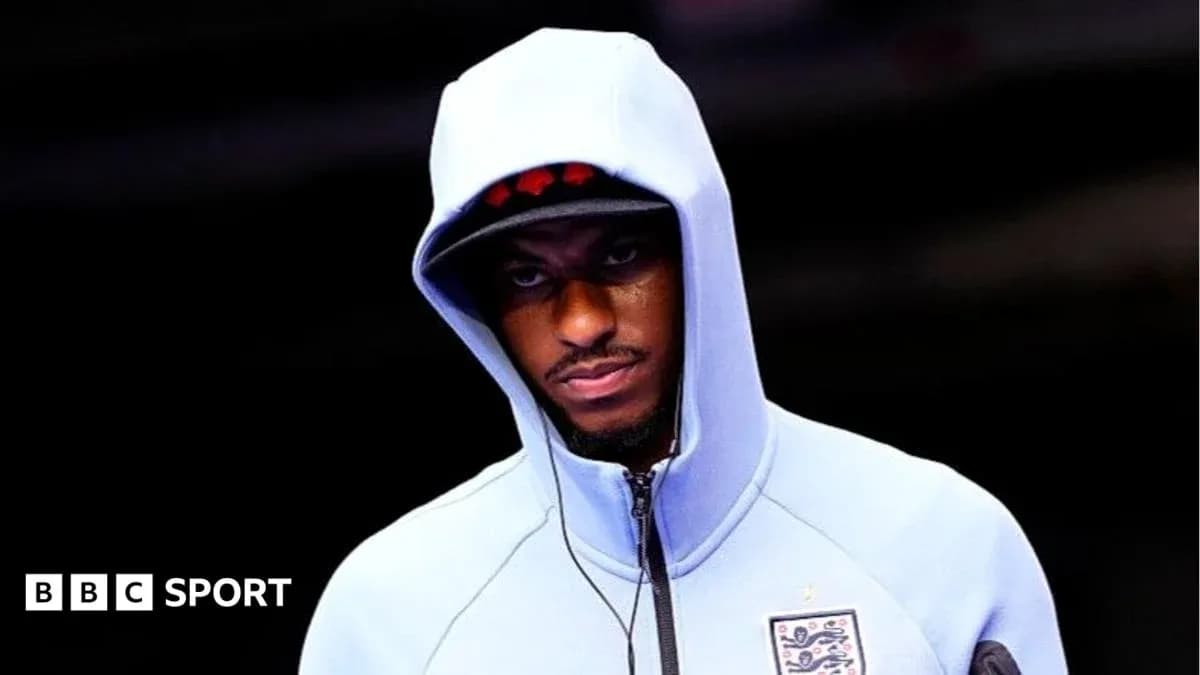
Marcus Rashford walked away from this World Cup not with a medal, but with a message.
“Keep believing in us. Our time will come,” he wrote after England’s wild 6-4 win over France in the third-place play-off in Miami. Then came the line that really mattered to those who know him: time to “rest, reflect… and come back a better version of myself.”
Reflect. At 28, with his first league title in the bag at Barcelona, 77 England caps and a key role in England’s best World Cup run since 1966, that word hangs over his summer like a cloud and a challenge.
Because the biggest question facing Marcus Rashford is no longer about his country. It is about his club.
A title in Spain, a tangle in Manchester
On paper, Rashford’s career sits in a sweet spot. Prime years. La Liga champion under Thomas Tuchel. Six appearances in eight World Cup games. Still only 17 goals short of breaking into Manchester United’s all-time top 10 scorers, already 15th with 138.
Yet the centre of gravity in his life remains Old Trafford, and that is where the picture blurs.
Rashford is contracted to United until 2028. He earns £325,000 a week, the club’s top wage at a time when minority owner Sir Jim Ratcliffe is trying to drag the wage bill back under control. Salaries are United’s biggest outgoing by a distance, and Rashford sits at the very top of that pile.
Barcelona had the first big decision of the summer. The loan deal that took him to Camp Nou last season included a £26m option to buy. The deadline came and went in mid-June. No move. No negotiation. No surprise.
A second clause lurked in the background: any club, apart from Liverpool and Manchester City, could take him for £40m up to a point earlier in July. Again, the clock ran down. Again, nobody moved. Those close to the player never believed a club would suddenly appear and pay more than Barcelona were already entitled to spend.
So Rashford, fresh from the World Cup, heads into a three-week break with no resolution and no obvious queue of suitors.
United’s hard line, and a shrinking market
United’s stance is blunt. They will not revisit terms with Barcelona, and they will not send Rashford back on loan to Spain. The Catalan club have already committed to England winger Anthony Gordon and are closing in on Karim Adeyemi from Borussia Dortmund. Whatever interest there was in keeping Rashford has faded into the background.
This is the new United. Or at least, the version they want to project.
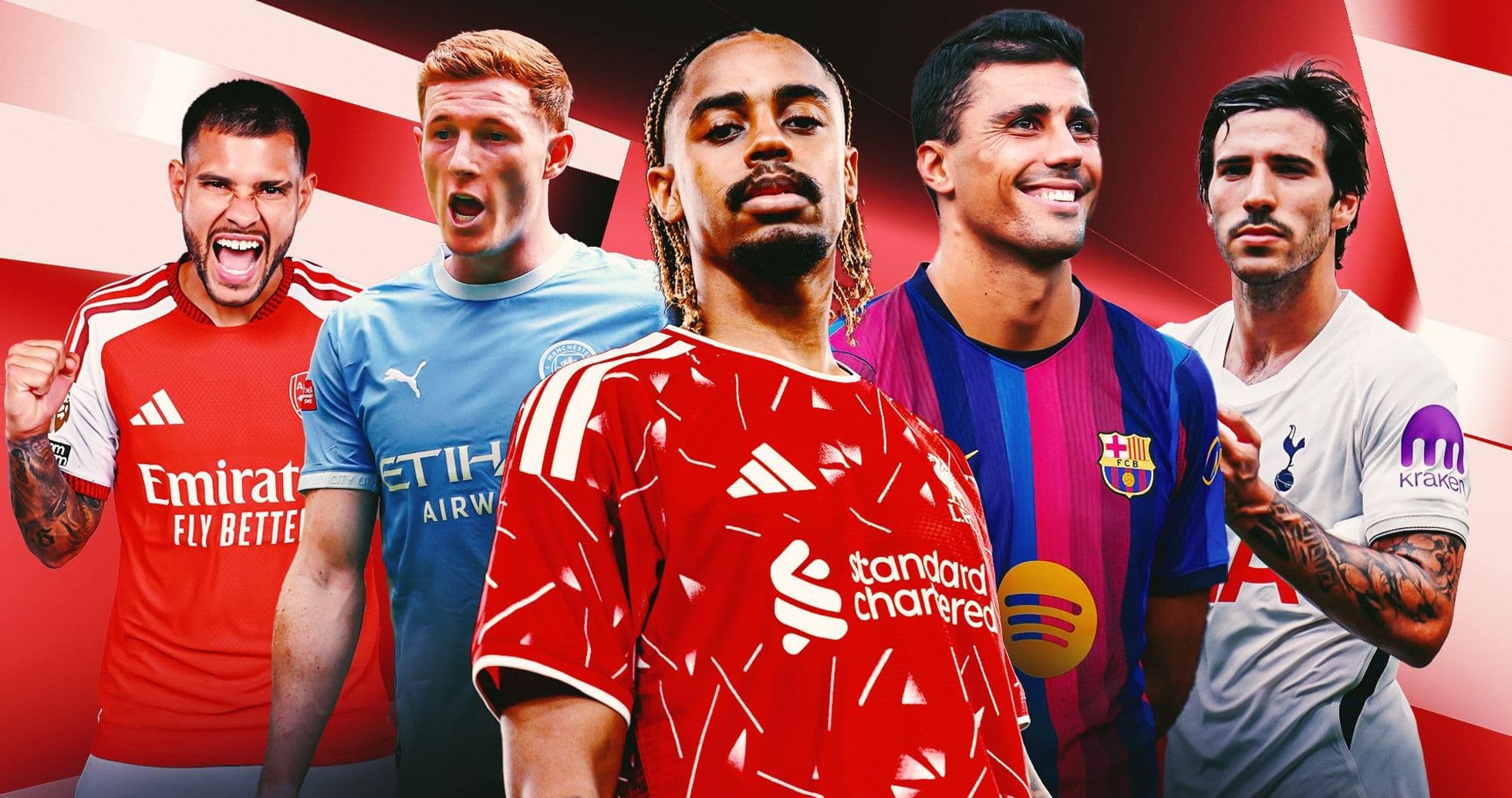
They refused to chase Elliot Anderson’s price up to the £116m Nottingham Forest eventually accepted from Manchester City. They stood aside as Mateus Fernandes went from West Ham to Tottenham for £85m. The message is clear: no more being dragged into inflated auctions, no more paying over the odds just to say a deal is done.
Inside Carrington, director Michael Sansoni and his data team are driving that shift. United believe their expanded analytics operation can unearth better value, better fits, and avoid the traps that have littered the post-Sir Alex Ferguson era.
That discipline cuts both ways. United need sellers to stick to their own valuations when they buy. They also need buyers willing to pay for the players they no longer want.
Rashford sits awkwardly between those two worlds. He is not in the bomb-squad wilderness of last summer. Nor is he an obvious cornerstone of the next United side. He is a high-earning, high-profile forward whose market has shrunk.
There are only a handful of clubs on the planet who can meet his current salary. Even then, the equation is not simple: they have to want him, and he has to want them.
From exile to olive branch
Twelve months ago, the relationship between Rashford and his manager had snapped.
Ruben Amorim arrived from Sporting Lisbon and clashed with the forward within weeks. The fallout escalated quickly. Rashford was exiled, then packed off on loan to Aston Villa. When pre-season rolled around last summer, Amorim went further still, dropping Rashford into a “bomb squad” alongside Alejandro Garnacho, Antony, Tyrell Malacia and Jadon Sancho.
Those four have all gone. Rashford is the one left hovering in the doorway, neither fully out nor fully back in.
The mood music has changed with Amorim’s departure. Michael Carrick, his replacement, is not just another manager; he is a former team-mate, a former coach, and briefly a former caretaker boss in the post-Ole Gunnar Solskjaer limbo of 2021.
The two are said to have a good relationship. Carrick’s only public comment on Rashford towards the end of last season was calm, conciliatory, very much in keeping with his understated personality. No ultimatums. No public shaming.
He has not yet been pressed on how he sees Rashford fitting back into the squad. That question will not wait much longer.
Unless plans change, Rashford will report back to United just as they head for a six-day training camp in the Republic of Ireland, built around a historic meeting with Leeds at Croke Park on 12 August. The expectation around him is one of quiet acceptance. No stand-off, no sulk, just a player prepared to walk back into the building and see what happens next.
England, pride and limits
Any move Rashford makes will be filtered through one lens: England.
His social media reflections after the World Cup hinted at a man who understands how fragile an international career can be. He will not gamble with his place under the national-team manager. The wrong club, the wrong league, the wrong environment could cost him tournament football. That matters.
BBC Sport has been told there are certain Premier League clubs he simply would not join. The idea of him pulling on some domestic rivals’ shirts is a non-starter. That narrows the field even further.
So what is left?
Right now, the most likely answer to the simplest question – where will Marcus Rashford be on 1 September? – is Manchester United. By some distance.
Beyond that, the possibilities become vague. Any Spanish club. Any Turkish club. Any German club. That is the level of detail on the table, and the lack of specifics says everything about the current market for a forward with Rashford’s profile, pedigree and pay packet.
A talent too good to waste?
Outside the club, opinions harden more quickly.
Plenty, including former United captain Gary Neville, believe the time for a clean break has come. No reconciliation, no second or third act at Old Trafford. Just a line drawn under a career that has veered from electric to exasperating.
Inside Rashford’s circle, the tone is very different.
“A fit and focused Marcus Rashford has the ability to be one of the best players,” said Wrexham forward Sam Smith, a close friend who scored the winner against Carrick’s United in Helsinki in pre-season, speaking on the United We Stand podcast.
“He has everything.
“He has had a difficult time at United and getting away from it all was a good thing.
“I don't know what is going to happen but as his friend, I hope he comes back and proves how good a player he was, how good he can be and starts scoring goals again.”
That hope may yet align with cold financial reality. United may find no buyer willing to pay the fee and match the wages. Rashford may find no project that satisfies his ambitions, his England prospects and his personal lines in the sand.
If that happens, the club and the player will be pushed back towards each other, not by sentiment but by necessity.
And then the question will no longer be where Marcus Rashford plays next season, but whether Manchester United can still unlock the player he insists he can become “a better version” of – or whether one of the club’s great modern talents drifts through his prime years wondering what might have been.