Monza vs Napoli: Tactical Analysis of Serie A Showdown
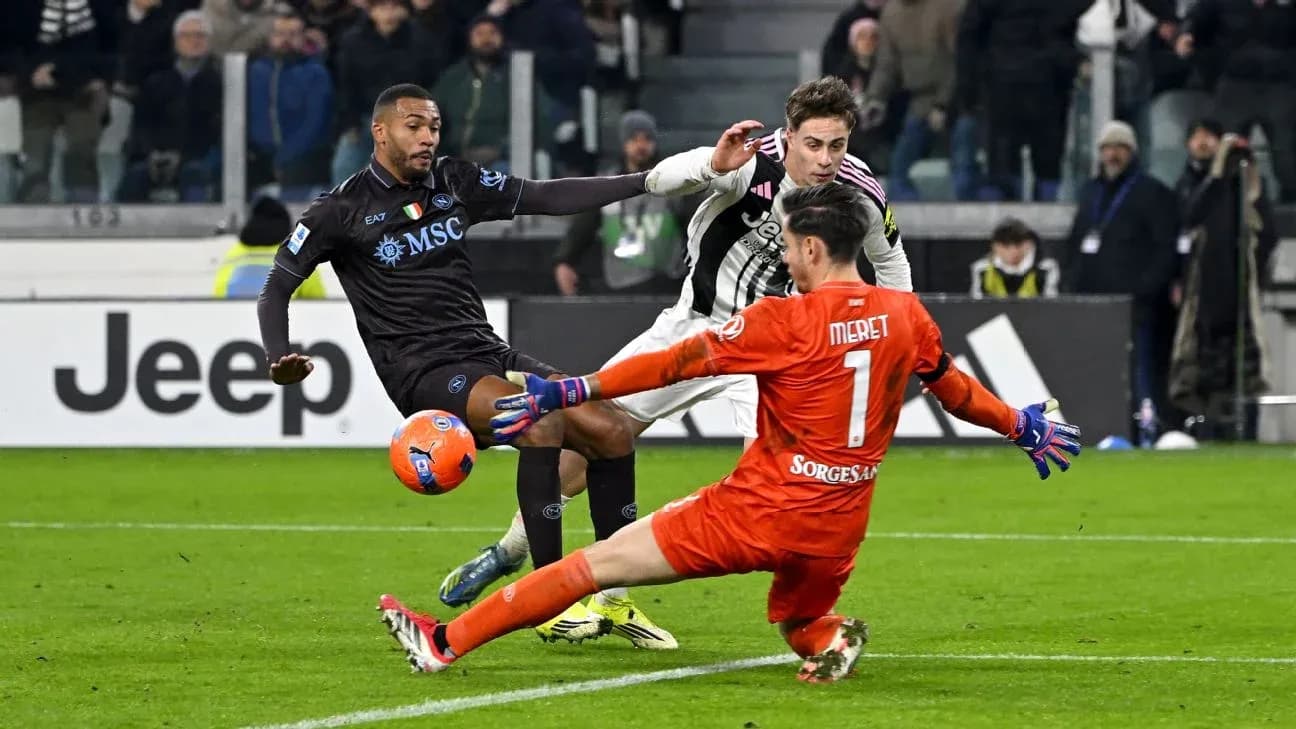
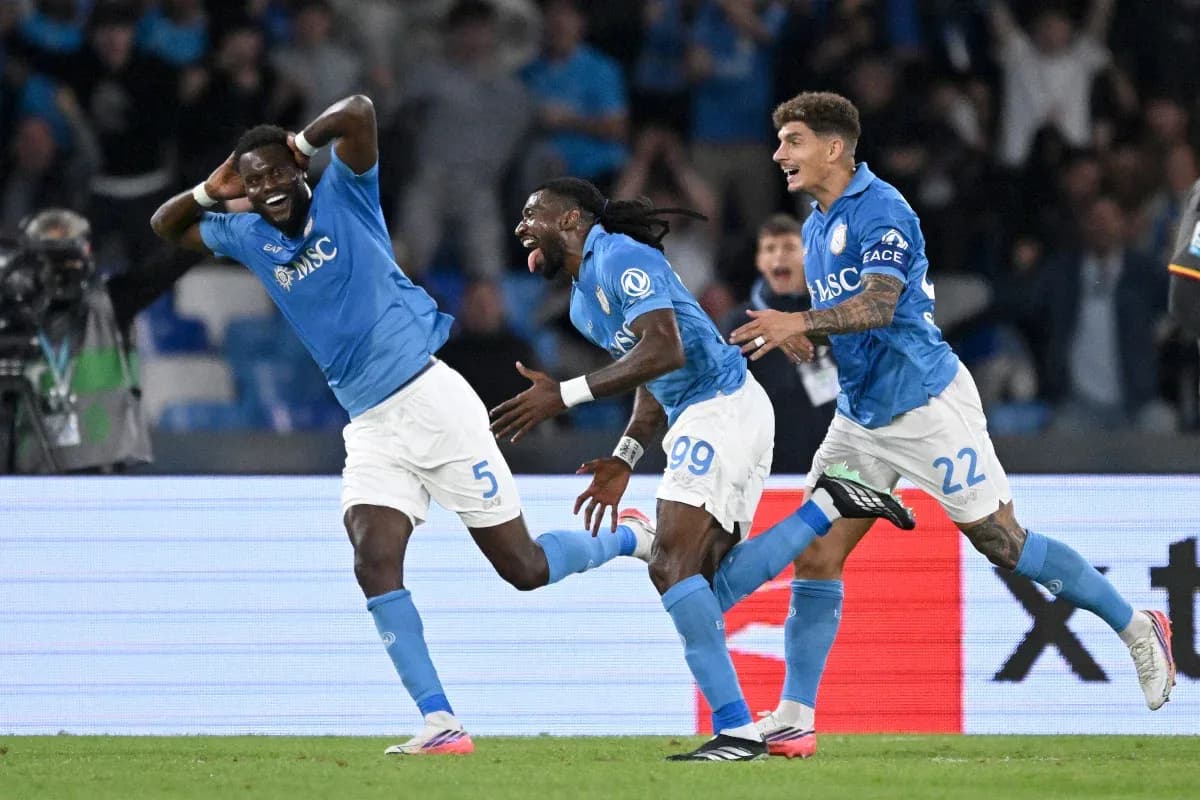
Stadio Brianteo felt like a crossroads for both clubs. In Serie A’s Regular Season - 9, 16th-placed Monza welcomed 7th-placed Napoli, a meeting between a side fighting to steady themselves and a contender trying to reconnect with its elite habits. By full time, the scoreboard read 1-4 to Napoli, a brutal reflection of the gap in efficiency and structure between Ivan Juric’s 3-4-2-1 and Massimiliano Allegri’s 4-3-3.
I. The Big Picture – Identities in Contrast
Heading into this game, Monza’s season had a split personality. Overall they had taken 7 points from 9 matches, with a goal difference of -6 (16 scored, 22 conceded). At home they were far more dangerous: 2 wins from 4, 9 goals for and 8 against, averaging 2.3 goals for and 2.0 against at Stadio Brianteo. Juric’s side do not fail to score – they had found the net in every league match so far – but their openness without the ball was always going to be tested.
Napoli arrived with the profile of a side still forming under Allegri but already structurally sound. Overall they had 14 points from 9 games and a goal difference of +6 (17 for, 11 against). Away from home they had won 2, drawn 1 and lost 2 from 5, scoring 9 and conceding 6, with an away average of 1.8 goals for and 1.2 against. Their defensive baseline, particularly compared to Monza’s total average of 2.4 goals conceded per match, hinted at a tactical arm-wrestle Napoli were more likely to control over 90 minutes.
Juric leaned into his season-long template: a 3-4-2-1 with N. Törnqvist behind a back three of S. Birindelli, S. Goglichidze and L. Lucchesi. The wing roles fell to A. Bakoune and Ricardo Mangas, with M. Ondoa and L. Colombo central, and the half-spaces occupied by C. Ngonge and Jay Robinson behind focal point Gustavo Varela.
Allegri’s Napoli were orthodox on paper but fluid in practice. V. Milinković-Savić started in goal behind a back four of G. Di Lorenzo, Amir Rrahmani, Rafa Marín and M. Olivera. The midfield trio of A. Zambo Anguissa, S. Lobotka and S. McTominay provided power, circulation and late runs, while the front three of M. Politano, R. Højlund and N. Lang stretched the pitch horizontally and vertically.
II. Tactical Voids – Absences and Discipline
Both benches were shaped by significant absences. Monza were without M. Folorunsho (coach’s decision) and three injured options: Y. Maye (muscle injury), M. Pessina (knee injury) and J. Ziolkowski (foot injury). The loss of Pessina in particular stripped Juric of a natural midfield leader, forcing more responsibility onto Ondoa and Colombo in build-up and defensive transitions.
Napoli’s missing list was longer but better absorbed: Alisson Santos (muscle injury), B. Badiashile (injury), A. Buongiorno (knee injury), David Neres (thigh injury), C. Favasuli (thigh injury) and L. Spinazzola (thigh injury) all sat out. On another day this might have weakened their rotations in both penalty areas, but Allegri’s starting XI remained high-calibre, especially with K. De Bruyne and B. Gilmour available from the bench.
From a disciplinary perspective, Monza carried a season-long warning sign. Their yellow cards peak late, with 26.67% arriving between 76-90 minutes, and they had already seen a red card in the 31-45 minute window. That volatility, combined with a high-risk 3-4-2-1, meant that any chase scenario against Napoli’s counter-attacking threat could quickly turn chaotic. Napoli, by contrast, tend to collect cards in the final quarter too – 42.86% of their yellows and their only red card this season had come between 76-90 minutes – but their overall defensive structure usually prevents those moments from turning into collapse.
III. Key Matchups – Hunter vs Shield, Engine Room Battles
The headline duel was always going to be Gustavo Varela against Napoli’s centre-backs. Heading into this match, Varela was one of Serie A’s most ruthless finishers: 8 total league goals in 8 appearances, from 18 shots with 11 on target, plus 1 assist. His movement across the front line, supported by Ngonge and Robinson in the half-spaces, is the spearhead of a Monza attack that had produced 16 goals overall and 9 at home.
Waiting for him were Amir Rrahmani and Rafa Marín, protected by Lobotka’s positioning and Anguissa’s range. Napoli’s defensive record – 11 goals conceded in total, just 6 on their travels – underlined the scale of Varela’s task. Allegri’s plan clearly revolved around compressing central zones, forcing Varela to receive with his back to goal and denying Monza the quick, vertical combinations that usually feed his finishing.
In midfield, the engine-room confrontation was equally decisive. For Monza, Ondoa and Colombo had to cover for the absence of Pessina, recycling possession while shielding a back three that already had conceded 22 overall. Opposite them, Lobotka dictated tempo, Anguissa patrolled second balls, and McTominay attacked the box late, often creating a de facto 4-2-4 when Napoli broke forward.
On the flanks, Bakoune and Ricardo Mangas faced a constant dilemma: push high to pin Politano and Lang, or sit deeper to protect Birindelli and Lucchesi from 1v1 isolation. With Napoli’s full-backs Di Lorenzo and Olivera eager to overlap, any mistimed Monza press risked leaving the back three exposed to wide overloads and cut-backs.
IV. Statistical Prognosis – Why the Scoreline Tilted
From a numbers perspective, this fixture always leaned Napoli’s way once they survived Monza’s early home surge. Monza’s total averages – 1.8 goals scored and 2.4 conceded per match – describe a team that plays open games and often loses control of the defensive box. Their biggest home win so far was a 4-0, but their heaviest home defeat was already 1-4, a pattern ominously repeated here. Clean sheets are rare: only 1 overall, and none away, reflecting systemic defensive fragility rather than isolated errors.
Napoli’s profile is the opposite: 1.9 goals scored and just 1.2 conceded overall, underpinned by three clean sheets and a compact 4-3-3 that Allegri can morph into a 4-5-1 without the ball. Their away record – 9 goals scored, 6 conceded – suggests they can absorb pressure and still outscore opponents on their travels.
The “Hunter vs Shield” duel tilted Napoli’s way because their shield is multi-layered. Even if Varela found moments – his season numbers justify that expectation – Napoli’s structure, plus Milinković-Savić’s presence in goal, limited Monza’s capacity to turn territory into a barrage of high-quality chances.
The “Engine Room” belonged to Napoli as well. Lobotka’s calm distribution and Anguissa’s physical coverage gave Allegri the platform to unleash Politano and Lang between the lines, while the option of introducing K. De Bruyne from the bench added another creative gear. De Bruyne’s season record – 4 goals and 1 assist in 9 appearances, with 20 key passes and 1 penalty scored but also 1 missed – underlines both his influence and the fact that Napoli are not perfect from the spot, but they create enough open-play threat to compensate.
Overlaying all this, the late-card tendencies of both sides meant the final quarter was always likely to be stretched and emotional. In that chaos, Napoli’s superior defensive baseline and counter-attacking precision were decisive. The 1-4 final score at Stadio Brianteo was not just a bad day for Monza; it was a statistical and tactical confirmation of where these squads currently stand in Serie A’s hierarchy.