Netherlands vs Japan: 2-2 Draw Keeps Group F Balanced
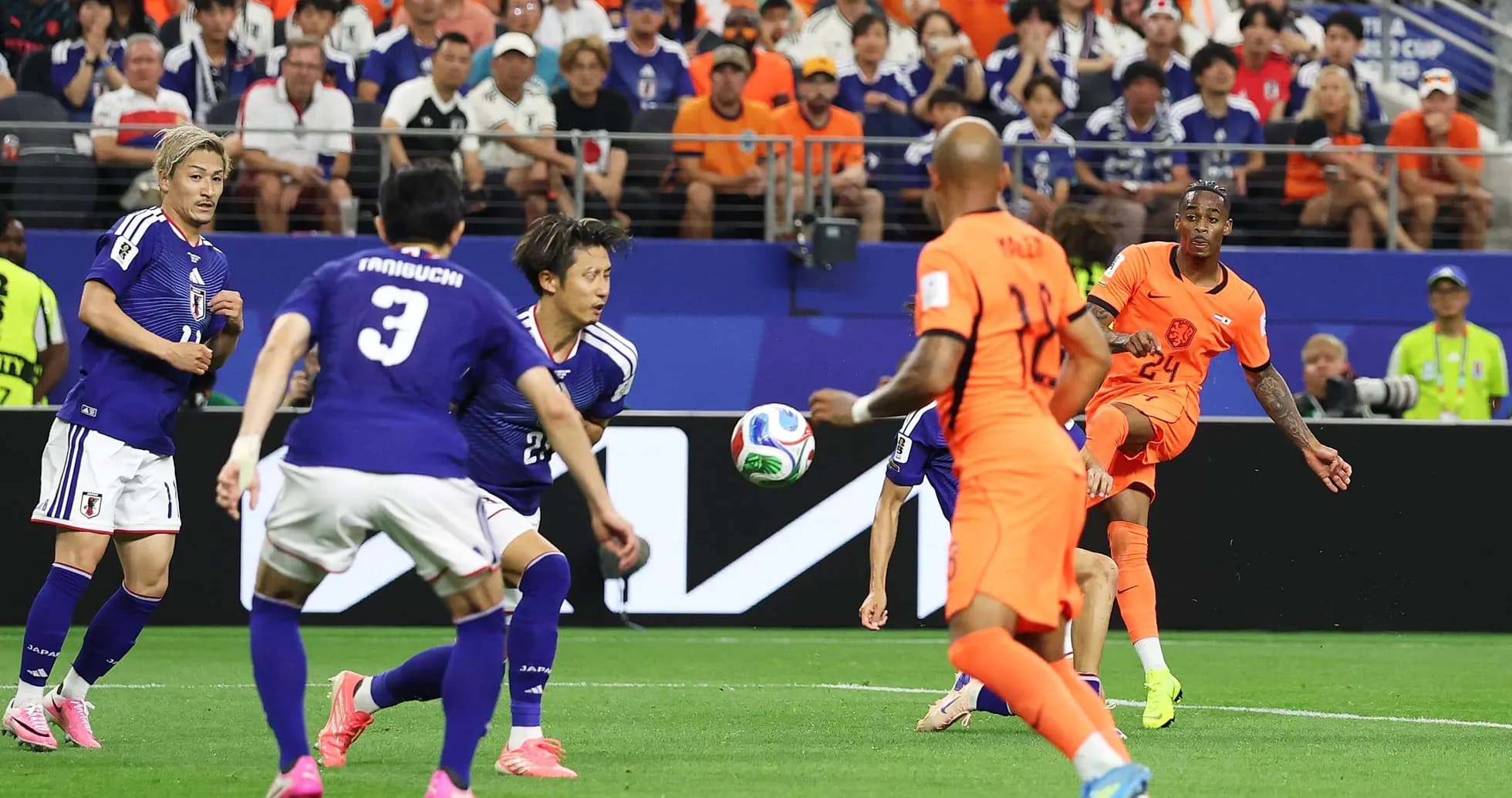
Netherlands 2-2 Japan at AT&T Stadium leaves Group F finely balanced, with both sides moving to 2 points from two matches and maintaining their Round of 32 positions. Netherlands stay second on goal difference (GF 4, GA 4, GD 0), while Japan remain top (GF 4, GA 4, GD 0), the late equaliser denying Ronald Koeman’s team a result that would have put them in control of the group.
Match Report
The game opened cautiously, with neither side able to convert first-half territory into clear chances and the interval arriving goalless.
51' Netherlands goal — V. van Dijk (assisted by R. Gravenberch). A set-piece routine finally broke the deadlock, Van Dijk rising to meet Gravenberch’s delivery and giving the Dutch a 1-0 lead.
57' Japan goal — K. Nakamura (assisted by T. Kubo). Japan responded quickly, Kubo slipping a clever pass into Nakamura, who finished to level at 1-1.
61' C. Summerville (Netherlands) — yellow card (Tripping). The winger went into the book after a late challenge as Netherlands tried to disrupt a Japanese transition.
64' Netherlands goal — C. Summerville (assisted by R. Gravenberch). Summerville atoned almost immediately, cutting inside to finish after another incisive pass from Gravenberch, restoring the Dutch advantage at 2-1.
66' J. Ito replaced D. Maeda (Japan). Hajime Moriyasu introduced fresh pace in the front line, with Ito offering more direct running on the right.
70' M. Depay replaced D. Malen (Netherlands). Koeman turned to Depay to add control and link play at centre-forward.
70' T. Koopmeiners replaced C. Summerville (Netherlands). With the lead to protect, Netherlands added an extra midfield profile in Koopmeiners.
70' Q. Timber replaced T. Reijnders (Netherlands). Timber’s introduction further solidified the Dutch midfield structure.
75' T. Tomiyasu replaced T. Watanabe (Japan). Japan adjusted their back line, adding Tomiyasu’s distribution and aerial presence.
75' K. Ogawa replaced T. Kubo (Japan). Ogawa came on to offer a more penalty-box-focused threat.
75' Y. Sugawara replaced R. Doan (Japan). Sugawara’s entry shifted the balance of Japan’s right flank, providing more width from deeper areas.
81' N. Ake replaced R. Gravenberch (Netherlands). With Gravenberch having provided both assists, Koeman opted for defensive reinforcement on the left side through Aké.
83' M. Depay (Netherlands) — yellow card (Roughing). Depay was booked for a physical challenge as the contest grew increasingly scrappy.
84' K. Shiogai replaced A. Ueda (Japan). Japan refreshed their central attacking option, with Shiogai offering new movement against a tiring Dutch defence.
85' B. Brobbey replaced C. Gakpo (Netherlands). Brobbey entered to provide an outlet for direct balls and to press from the front.
88' Japan goal — D. Kamada (assisted by K. Ogawa). Japan’s pressure told late on, Kamada arriving to finish after Ogawa created the opening, making it 2-2 and punishing Netherlands for dropping deeper.
90+1' M. van de Ven (Netherlands) — yellow card (Holding). Van de Ven’s late booking underlined the Dutch defensive strain as Japan chased a winner.
Fixture Statistics & Tactical Audit
- xG: Netherlands 0.79 vs Japan 0.54
- Possession: Netherlands 60% vs Japan 40%
- Shots on Target: Netherlands 6 vs Japan 3
- Goalkeeper Saves: Netherlands 1 vs Japan 4
- Blocked Shots: Netherlands 1 vs Japan 1
On the numbers, Netherlands were marginally superior, generating higher xG (0.79 vs 0.54) and more shots on target (6 vs 3) while controlling possession (60%). Their two goals came from relatively limited shot volume, reflecting a reasonably efficient attack rather than overwhelming pressure. Japan’s three efforts on target yielded two goals, underlining their finishing efficiency and the quality of their late attacking phases. The save count (Japan 4 saves against 6 Dutch shots on target) shows that Zion Suzuki was busier than Bart Verbruggen, but the overall xG balance suggests a draw was broadly fair: Netherlands had slightly better chances, yet Japan’s sharper execution in the final third justified their late equaliser.
Standings Update & Seasonal Impact
For Netherlands, this 2-2 draw adds a second point of the group campaign, moving them to 2 points, 4 goals scored and 4 conceded (goal difference 0). They remain second in Group F’s Round of 32 qualification positions, still well placed but ruing the missed opportunity to move to 4 points and take a commanding grip on progression.
Japan also climb to 2 points, with identical figures of 4 goals scored and 4 conceded (goal difference 0), and stay top of Group F thanks to tie-break criteria beyond basic goal difference. The late Kamada equaliser preserves their unbeaten record and keeps them in a Round of 32 qualifying berth, ensuring their fate remains firmly in their own hands going into the final group match.
Lineups & Personnel
Netherlands Starting XI
- GK: Bart Verbruggen
- DF: Denzel Dumfries, Jan Paul van Hecke, Virgil van Dijk, Micky van de Ven
- MF: Ryan Gravenberch, Frenkie de Jong, Tijjani Reijnders
- FW: Crysencio Summerville, Donyell Malen, Cody Gakpo
Japan Starting XI
- GK: Zion Suzuki
- DF: Tsuyoshi Watanabe, Shogo Taniguchi, Hiroki Itō
- MF: Ritsu Doan, Kaishu Sano, Daichi Kamada, Keito Nakamura
- FW: Takefusa Kubo, Daizen Maeda, Ayase Ueda
Post-Match Verdict
Netherlands produced a controlled but not dominant performance (60% possession, xG 0.79), building effectively through midfield and maximising the creativity of Ryan Gravenberch, whose two assists underpinned both goals. However, their inability to turn territorial control into a higher volume of quality chances (10 total shots, only 1 blocked) left them vulnerable to variance and late pressure.
Japan were compact and disciplined, and their attacking play was notably efficient (2 goals from 3 shots on target, xG 0.54). Moriyasu’s substitutions, particularly the introductions of Koki Ogawa and Takehiro Tomiyasu, shifted the game’s momentum in the final quarter, allowing Japan to push higher and exploit spaces as Netherlands dropped deeper after defensive changes. The late equaliser was the product of that tactical adjustment and persistence.
In tactical terms, this was less a defensive collapse from Netherlands than a conservative game-state management that invited pressure, and a clinically executed late surge from Japan (matching Netherlands’ total shots at 10 apiece). The draw reflects a finely balanced contest in which Netherlands’ structure and Japan’s efficiency cancelled each other out, leaving Group F delicately poised.