Netherlands vs Japan: World Cup 2026 Group F Opener
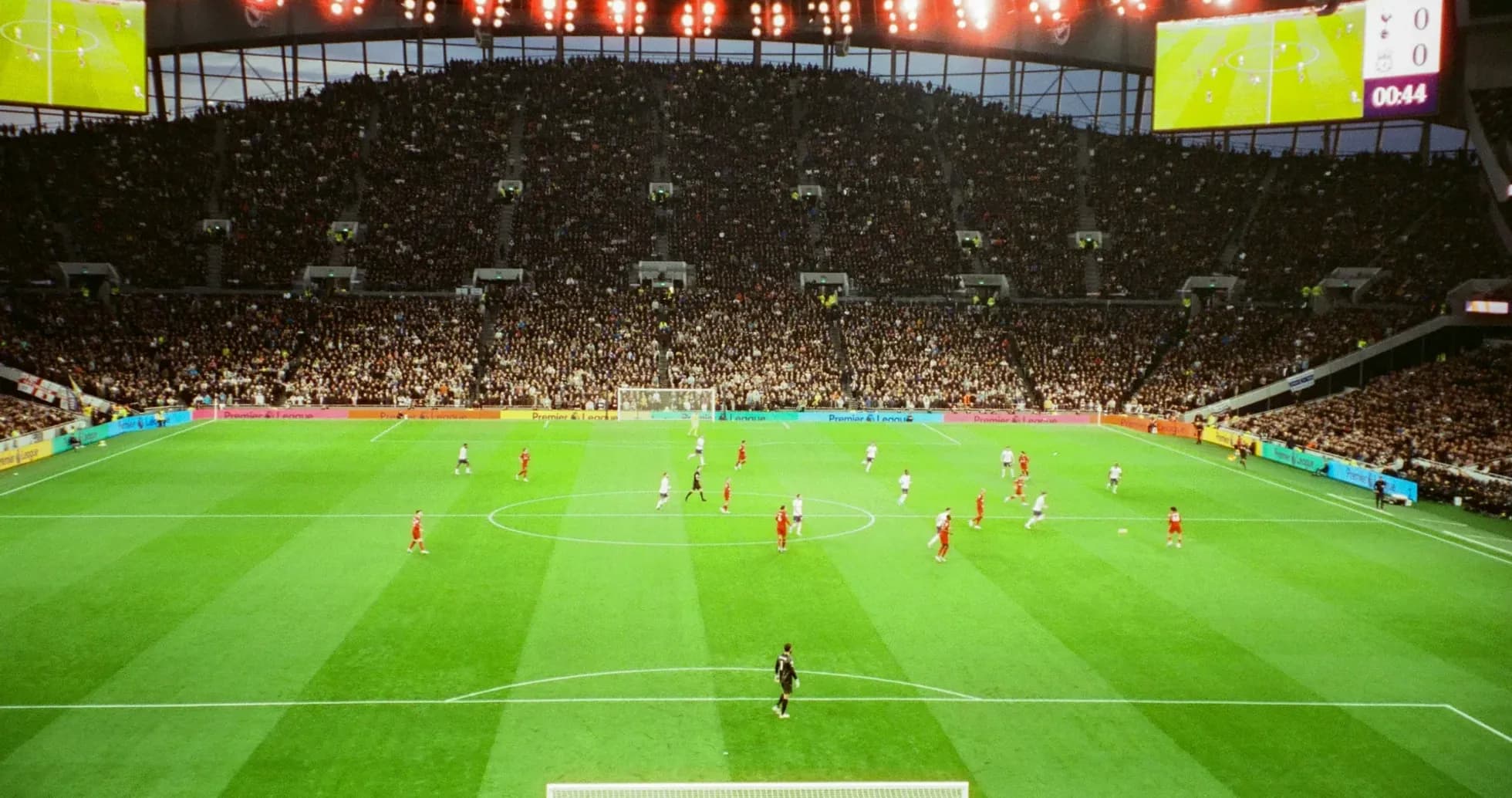
Under the vast roof of AT&T Stadium in Dallas, Netherlands and Japan step into the bright lights on 14 June 2026 with a World Cup journey still unwritten, the group table blank and the pressure already real in Group F.
Season Context
For Netherlands, this opener in the World Cup group stage begins from a clean slate: they sit ranked 1st in Group F with 0 points, 0 goals scored and 0 conceded from 0 matches played (goal difference 0). The description of their position as “Playoffs” underlines that the expectation is clear – progress from the group is the baseline, and every point in Dallas will shape that path.
Japan arrive officially listed 2nd in Group F, also on 0 points with 0 goals for and 0 against from 0 matches (goal difference 0). They too are tagged in the “Playoffs” zone, meaning that, structurally, advancement is just as attainable, but the margin for error is minimal when the group starts with such a high-profile opponent.
Form & Momentum
Neither side brings a measurable run of competitive form into this match: the standings show no completed fixtures yet for Netherlands or Japan, and there is no form string recorded for either team. With 0 games played, 0 goals scored and 0 conceded for both, any talk of momentum is theoretical rather than statistical – this is a contest where narrative, reputation and tactical preparation must substitute for recent numbers.
Head-to-Head Patterns
The most relevant historical marker between these two comes from another World Cup group stage. On 19 June 2010, Netherlands defeated Japan 1-0 in the World Cup (season 2010, June 2010) at Moses Mabhida Stadium in Durban, a tight contest settled in regular time. That is the only competitive head-to-head provided in the data, and it shows Netherlands edging a low-scoring encounter on neutral soil. With no other non-friendly matches listed, the historical pattern we can verify is of a narrow Dutch success in a controlled, cagey game.
Tactical Preview
With no World Cup 2026 fixtures played yet, the tactical picture must be drawn from the squads and the structural data rather than on-field statistics. Netherlands bring a squad rich in technical defenders and ball-playing midfielders, suggesting a strong emphasis on building from the back and controlling possession, even if the season statistics so far list 0 matches, 0 goals scored and 0 conceded. In defence, names like V. van Dijk, N. Aké, D. Dumfries, J. Timber, M. van de Ven and J. Hato offer a blend of aerial strength and mobility, ideal for holding a high line and compressing the pitch in a proactive setup.
In midfield, Netherlands can construct a passing carousel through F. de Jong, T. Koopmeiners, T. Reijnders and R. Gravenberch, with M. de Roon providing a more destructive, screening presence. That profile points towards a structure built to dominate the ball and circulate through central areas, even if the statistical record in the standings remains at 0 matches and 0 goals. Higher up, attackers such as M. Depay, C. Gakpo, N. Lang, D. Malen, B. Brobbey, J. Kluivert, C. Summerville and W. Weghorst give Netherlands multiple ways to attack – from wide one‑v‑one threats to a classic penalty‑box target. The lack of recorded goals so far (0 goals for, 0 against) simply reflects that this is their first outing, not a lack of firepower.
Japan counter with a squad built on energy, tactical discipline and technical quality across the lines. At the back, T. Tomiyasu, K. Itakura, H. Ito, Y. Sugawara and veteran Y. Nagatomo form a defensive unit capable of mixing compact low blocks with more aggressive pressing phases, even though the official record shows 0 matches played and 0 goals conceded so far. Their ability to defend space against Dutch movement between the lines will be central to Japan’s game plan.
In midfield, W. Endo, R. Doan, D. Kamada, A. Tanaka, K. Sano and Keito Nakamura give Japan a core that can both disrupt and create, allowing them to alternate between structured pressing and quick transitions. In attack, J. Ito, T. Kubo, D. Maeda, K. Goto, Koki Ogawa and A. Ueda provide pace and vertical threat, ideal for counter‑attacking when Netherlands push numbers forward. Like their opponents, Japan’s official World Cup 2026 line in the standings reads 0 games, 0 goals for, 0 against, but the squad composition points toward a flexible, transition‑oriented approach in Dallas.
Statistical Snapshot
- Competition: World Cup, season 2026 — 14 June 2026.
- Venue: AT&T Stadium, Dallas.
- Prediction: Win or draw — Double chance : Netherlands or draw.
- Win Probabilities: Home 50% / Draw 50% / Away 0%.
- Model: Netherlands 0% — Japan 0%.
Betting Verdict
With the prediction model leaning towards “Win or draw” for Netherlands and a double‑chance recommendation, the market prices on the home side around 2.00 with several bookmakers look broadly aligned with the analytical edge suggested. The historical World Cup meeting, a 1-0 Netherlands win in June 2010, supports the idea of the Dutch holding a slight upper hand in tight tournament games against Japan. Given that both teams start from identical statistical baselines in 2026 (0 matches, 0 goals for and against), siding with Netherlands on the double chance covers the draw while respecting Japan’s capacity to keep the game competitive. For bettors, Netherlands or draw at roughly even‑money home odds appears the more prudent angle than chasing a bigger price on a Japan upset.