Neymar's Road to Recovery: Brazil vs. Japan Showdown
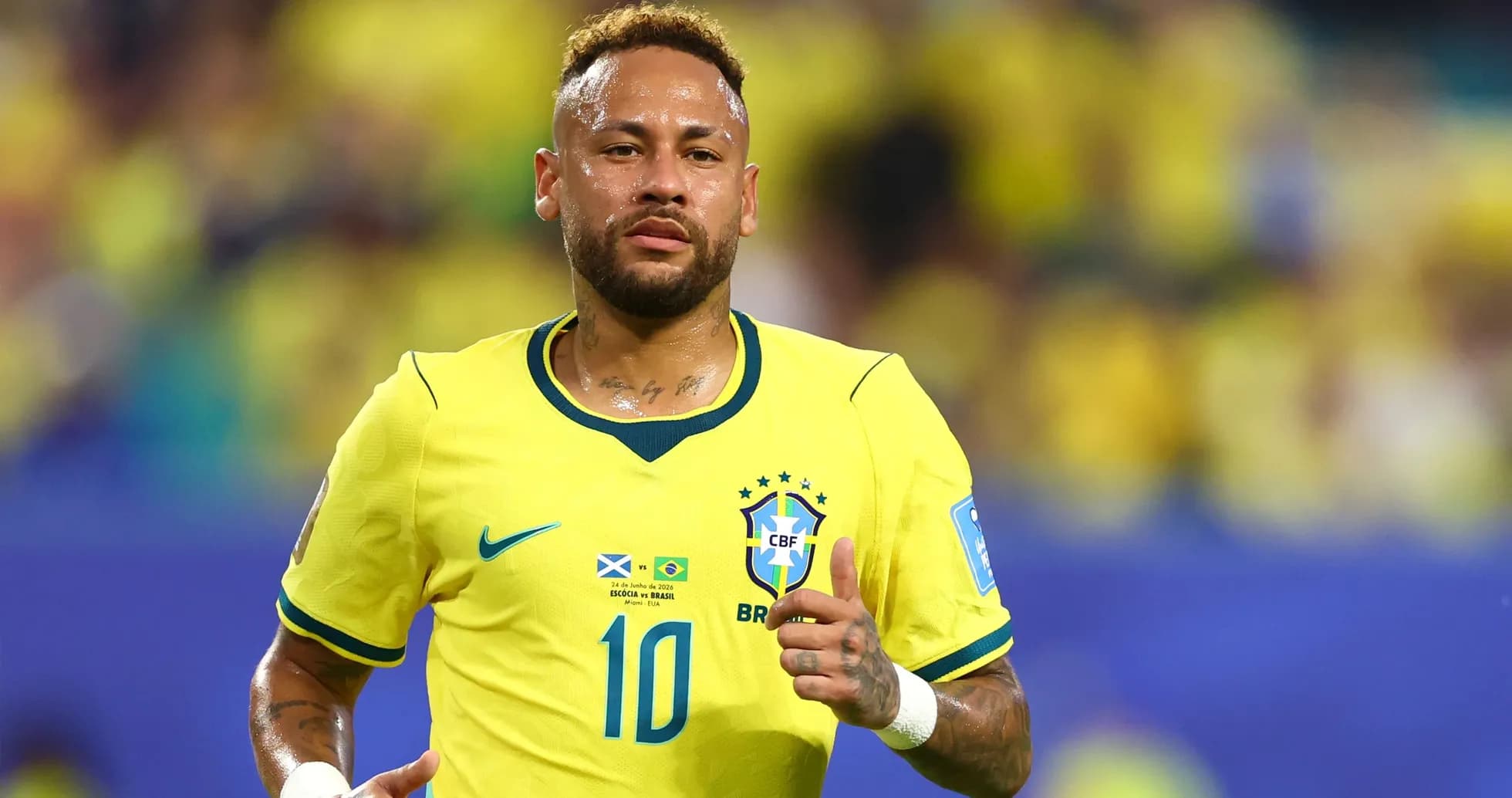
Neymar’s long road back to the World Cup spotlight has been anything but smooth. A serious knee injury in October 2023, a calf problem that wiped him out of Brazil’s opening games against Morocco and Haiti, and a three-year exile from the national team had turned him into more of a memory than a menace.
Then came Scotland.
His late cameo in Brazil’s final group-stage win didn’t change the result, but it changed the mood. One touch, one sprint, one familiar swagger was enough. For the first time in years, Brazil fans could picture Neymar not in rehab or on an exercise bike, but back where he belongs: on the pitch, deciding knockout ties.
Now the round of 32 looms, and the obvious question follows: is he ready to start?
Ancelotti pulls the handbrake
Carlo Ancelotti isn’t biting. Not yet.
The Brazil coach knows exactly what Neymar represents to the squad, to the country, to the opposition. He also knows what a rush back from injury can cost. So as the noise around the 34-year-old grows, Ancelotti is keeping his voice measured and his decisions cold.
“Neymar has progressed very well. I think he improved a lot last week,” he told reporters on the eve of Monday’s clash. “It’s a shame he couldn’t train the whole time he was with us. He can play more than 15 minutes. He’s in good shape. But it depends a lot on the game context and how things develop.”
That’s the key line. Context. Not sentiment, not nostalgia, not marketing. Ancelotti is making it clear: Neymar is a weapon, not a guarantee. The game will decide how much Brazil get to use him.
For a fanbase desperate to see their idol from the first whistle, it’s a reality check. For Ancelotti, it’s simply good management.
Japan’s quiet rise, and a sharp jab
Across the halfway line waits a Japan side that no longer bows to reputations.
The Samurai Blue arrive on a 10-game unbeaten run, a streak that carries more weight than the number suggests. It includes a 3-2 win over Brazil in Tokyo, a statement result that shook the hierarchy, and a victory over England at Wembley that underlined Japan’s growing authority on the global stage.
This is not a plucky outsider. This is a team that has already bloodied the giants.
Kento Shiogai, a 21-year-old forward from Wolfsburg, added a little more spice to the build-up. He hinted that Brazil might be a declining force, a comment that would normally set off days of back-and-forth across press rooms and social media. Shiogai has played just six minutes at this tournament, but his words have travelled far further than his boots so far.
Ancelotti refused to be dragged into the noise.
“I won’t repeat what others say. We’re focused on the match, on the opponent’s qualities, on preparing well to avoid problems,” he said. Then, with a hint of dry humour, he cut off any attempt to frame this as a psychological duel. “That’s what match preparation is about. We’re not doing what they call in England ‘mind games.’ How do you say it in Portuguese? Mind games. We’re not going there.”
The message was blunt: let Japan talk. Brazil will play.
A memory that still stings
Ancelotti doesn’t need Shiogai’s words to take Japan seriously. He has October in Tokyo etched into his mind.
That day, Brazil led at half-time and looked comfortable. Then the game flipped. Japan adjusted, raised their intensity, and turned the friendly into a warning. They came from behind to win 3-2, exposing defensive lapses and punishing Brazil’s complacency.
Since then, Japan have only hardened their edge. They emerged from Group F after a 2-2 draw with the Netherlands, a ruthless 4-0 dismantling of Tunisia, and a 1-1 draw with Sweden. Different opponents, same pattern: organised, brave, and relentless.
Brazil, on paper, are favourites. On the pitch, they know there is no room for cruise control.
Brazil’s balancing act
So Ancelotti walks a tightrope.
On one side, the temptation to unleash Neymar from the start, to ride the emotion and try to crush Japan early. On the other, the cold logic of minutes, muscles, and risk. A player who has just re-emerged from a long injury nightmare cannot be thrown into 90 high-intensity minutes without a plan.
His brief appearance against Scotland showed the legs are there. The sharpness is returning. But knockout football is unforgiving. One wrong step, one overextension, and the World Cup could lose one of its great protagonists all over again.
That is why Ancelotti keeps returning to that word: context. If Brazil are chasing the game, Neymar becomes a lifeline. If they are in control, he can be managed, eased in, protected. The match will dictate the minutes, not the other way around.
Japan, with their form, their fearlessness, and that recent win over Brazil, guarantee one thing: there will be no easy context.
Neymar is back. The world is watching. Now we find out whether this World Cup marks the final chapter of a great career on the biggest stage, or the start of one last, defiant run at immortality.