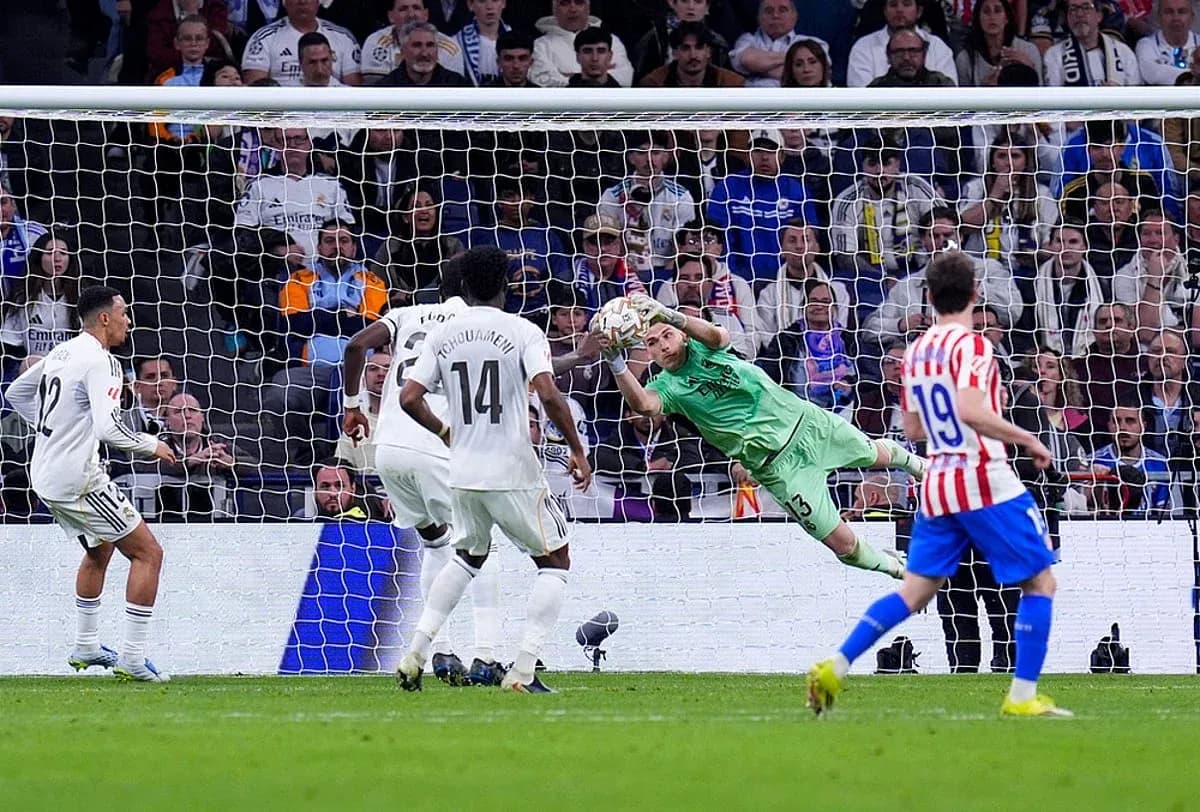
Osasuna vs Espanyol: Mid-Table Clash at Estadio El Sadar
Osasuna host Espanyol at Estadio El Sadar in a late-season La Liga fixture in 2026 that is more about securing mid-table stability than fighting for titles or survival. Both sides arrive level on 42 points in the league phase, with Osasuna 12th and Espanyol 14th, so this Round 37 match is primarily about locking in a safer, higher final position and avoiding any last-week tension.
Head-to-Head Tactical Summary
The recent head-to-head pattern is finely balanced with a slight home-venue bias. On 31 August 2025 at RCDE Stadium, Espanyol beat Osasuna 1-0 in La Liga (0-0 at HT), underlining Espanyol’s ability to edge tight home games. A few months earlier, on 18 May 2025 at Estadio El Sadar, Osasuna won 2-0 (1-0 at HT), showing how strong they can be in Pamplona when they get in front.
In 2024, Espanyol and Osasuna drew 0-0 on 14 December at RCDE Stadium (0-0 at HT), a compact, low-margin contest. Going further back, on 4 February 2023 at RCDE Stadium they drew 1-1 (Espanyol 0-1 Osasuna at HT), with Osasuna initially on top before being pegged back. On 20 October 2022 at Estadio El Sadar, Osasuna beat Espanyol 1-0 (0-0 at HT), another narrow home win. Overall, El Sadar has consistently tilted tight games Osasuna’s way, while RCDE Stadium has allowed Espanyol to control tempo and keep margins small.
Global Season Picture
- League Phase Performance:
Osasuna sit 12th in the league phase with 42 points from 36 matches, scoring 43 and conceding 47 (goal difference -4). Their home record is clearly their foundation: 9 wins, 5 draws, 4 losses at El Sadar with 30 goals for and 22 against.
Espanyol are 14th in the league phase, also on 42 points from 36 games, but with a weaker goal balance: 40 scored and 53 conceded (goal difference -13). Away from home they have 4 wins, 5 draws, 9 defeats, with 20 goals for and 30 against, pointing to a more fragile defensive structure on the road. - Season Metrics:
Scope detection shows team statistics and standings both at 36 games, so these numbers are also in the league phase.
Osasuna average 1.2 goals scored and 1.3 conceded per game, reflecting a slightly negative but competitive profile. Their 11 wins and 9 draws from 36 underline a mid-table side that is solid at home but inconsistent away. Disciplinary-wise, they accumulate a spread of yellow cards across all phases of the match, with a noticeable concentration from 61–90 minutes (34.63% of yellows combined in the 61–75 and 76–90 ranges), which hints at late-game physicality and pressure. Red cards cluster in the 31–45, 76–90 and 91–105 ranges, suggesting occasional loss of control in high-intensity periods.
Espanyol average 1.1 goals scored and 1.5 conceded per game, a profile of an attack that is modest but functional and a defense that is more vulnerable, especially away. They have 10 clean sheets and have failed to score 9 times, underlining volatility in their attacking output. Their yellow cards spike late (29.55% in minutes 76–90), and reds are concentrated between 46–60 and 76–90, indicating that high-pressure second halves often lead to risky challenges and numerical disadvantages. - Form Trajectory:
Osasuna’s recent form string in the league phase is "LLLWL", meaning three consecutive defeats followed by a win and then another loss. That run has dragged them towards the lower mid-table pack and removed any outside chance of pushing higher, increasing the importance of this game to stop the slide and close the year with stability.
Espanyol’s form reads "WLLDL": a win, then two losses, a draw, and another loss. This pattern points to a team that recently peaked earlier in the calendar (their longer form shows a five-game winning streak at one point) but has since regressed, especially defensively. Both teams therefore enter this fixture in downward or choppy form, making this match a potential pivot to reset momentum before the final round.
Tactical Efficiency
With no explicit Attack/Defense Index values provided in the comparison block, the efficiency picture must be inferred from the in the league phase statistics. Osasuna’s output of 43 goals for and 47 against over 36 games (1.2 scored, 1.3 conceded per match) indicates a slightly negative efficiency: they create and convert enough to be competitive, especially at home (30 goals in 18 home games), but their defensive unit concedes at a rate that prevents them from climbing beyond mid-table. The frequent use of a 4-2-3-1 (21 matches) suggests a balanced structure that can protect the back line while still committing numbers forward, but the card profile hints at late-game stress and potential structural breakdowns when chasing or protecting results.
Espanyol’s 40 goals scored and 53 conceded (1.1 scored, 1.5 conceded per game) underline a less efficient balance. Their attack is marginally weaker than Osasuna’s in raw output and averages, while their defense is clearly more porous (53 conceded vs Osasuna’s 47). The fact they can post 10 clean sheets shows that when their block is compact and the first line of pressure is synchronized, they can be difficult to break down; however, the away record (30 conceded in 18 games) reveals that their defensive intensity and spacing drop significantly on the road. Their primary formations (4-2-3-1 and 4-4-2) are designed to offer stability, but the high concession rate, especially away, points to either individual errors or structural issues in transitions.
In efficiency terms, Osasuna look marginally superior, particularly at El Sadar, where their goals-for and goals-against balance (30–22) is that of a solid mid-table home side. Espanyol, by contrast, bring an attack that travels reasonably (20 away goals) but is offset by a defense that leaks too often. Without quantified xG or a formal Attack/Defense Index, the pattern still suggests Osasuna’s home attack versus Espanyol’s away defense is the key tactical mismatch, while Espanyol’s chance lies in exploiting Osasuna’s tendency to concede regularly (47 goals against) and their late-game disciplinary lapses.
The Verdict: Seasonal Impact
From a seasonal perspective, this is a placement and momentum match rather than a direct title, European, or relegation decider. With both teams on 42 points in the league phase, the outcome will primarily shape:
- Top-half vs lower-mid-table finish: A win for Osasuna would likely position them to attack the final round with a realistic shot at finishing in the top half or, at minimum, clearly above the congested lower pack. Given their strong home record, failing to win would feel like a missed opportunity to capitalize on El Sadar.
- Psychological buffer from the relegation zone: While neither side is mathematically in a title or European race, and the standings suggest they are not in immediate relegation danger, three points here would create a psychological and numerical cushion going into the last matchday. For Espanyol, whose goal difference is significantly worse (-13), a defeat could drag them closer to any late-surging teams below, forcing them into a nervier final round.
- Trend-setting for 2027 planning: For Osasuna, a strong home performance would reinforce the current tactical base (4-2-3-1 and home dominance) as a viable platform to build on for 2027, with the main off-season task being to improve away robustness. For Espanyol, the result will inform whether the current defensive structure—especially away from home—is sustainable, or whether more radical adjustments are needed to reduce the concession rate and improve their away resilience.
In summary, this match is a high-leverage mid-table contest: not decisive for titles or Europe, but crucial for final ranking, financial positioning, and the narrative each club carries into the final round and into 2027. Osasuna’s superior home metrics make this a chance to consolidate a stable, upward-looking finish, while Espanyol need a result to halt a defensive slide and avoid ending the year anchored in the lower reaches of the table with a worrying goal difference profile.