Pochettino's Arrival at Manchester United: Winners and Losers
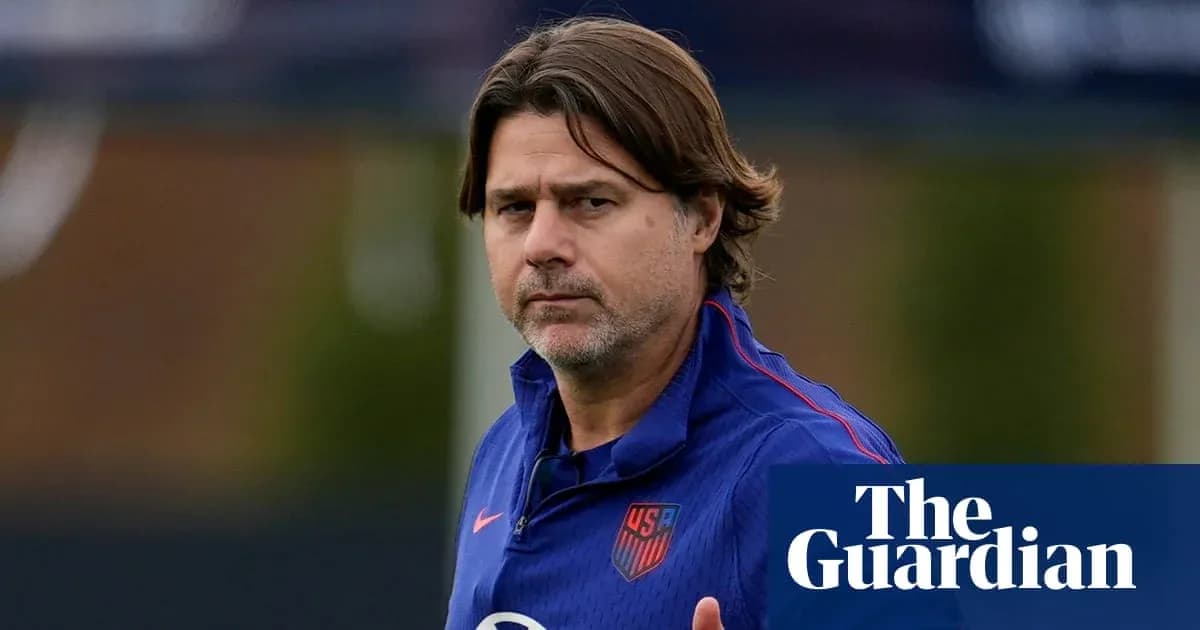
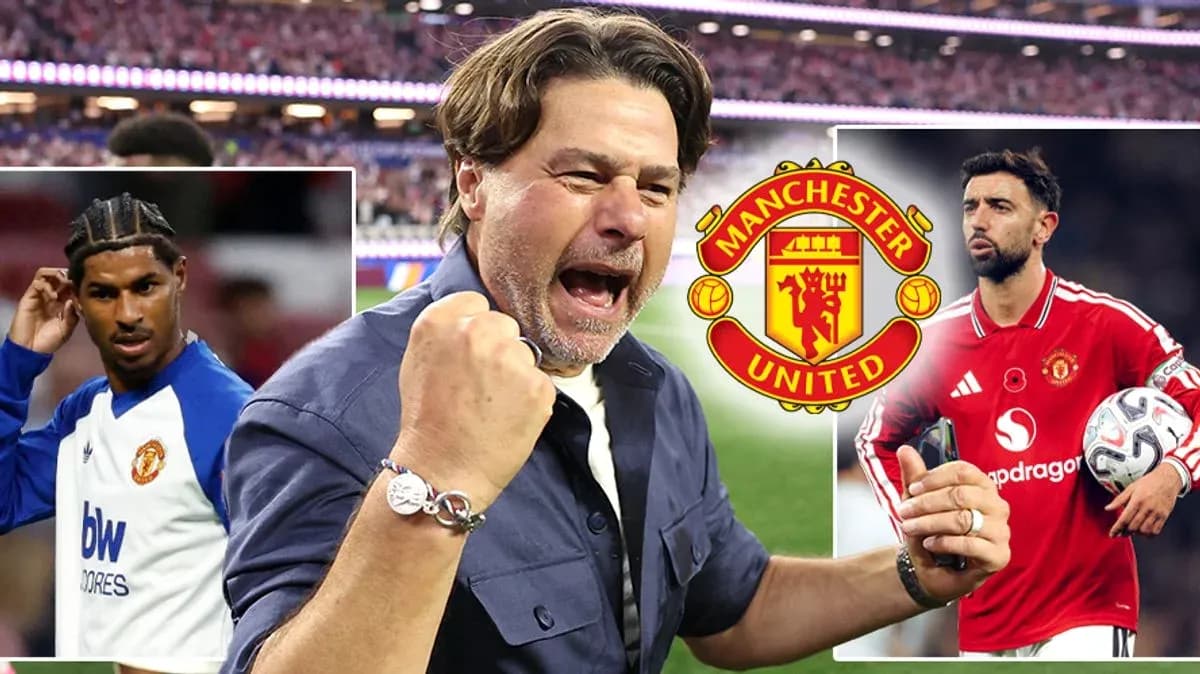
Mauricio Pochettino has finally walked through the door at Old Trafford – this time as Manchester United’s manager, not the nearly man watching someone else get the job.
Twice the club turned to others, first Jose Mourinho, then Erik ten Hag. This time, with Michael Carrick gone and United marooned in the relegation zone after one win in 10 Premier League games, the hierarchy has gambled on the Argentine to arrest a slide that has started to feel structural rather than temporary.
He inherits a bruised dressing room, a fanbase running low on patience and a club where power lines behind the scenes are already being redrawn. Some will thrive under him. Others will not.
Winners
Marcus Rashford
Few players needed this reset more than Marcus Rashford.
Reintroduced by Carrick in the summer, the 28-year-old’s return has never really caught fire. A hip injury has kept him out in recent weeks, but the numbers before that told their own story: eight games, no goals, no rhythm.
Pochettino changes the equation. He comes in having already marked Rashford down as his kind of forward. Reports have suggested he “will love” working with him, that he’s ready to put an arm around a player who has looked short of belief and spark.
His comments during the 2022 World Cup still echo loudly now. “I’ve always liked him, I knew of his process because I was in England, but I think he’s a great player. He just needs the confidence and for himself to believe, to put him at the top level. The quality is there for him.”
That is not a throwaway line. It is a manager spelling out a blueprint.
Pochettino has built reputations on nurturing attacking talent, on turning potential into production. If he can tap into Rashford’s pace, movement and finishing again, United suddenly have a focal point who fits his front-foot football. If he can’t, Rashford will be running out of excuses. But right now, he looks like the clearest winner.
Luke Shaw
Luke Shaw’s story at United has always felt like a tug-of-war between promise and frustration. Pochettino knows that better than most.
More than a decade ago at Southampton, Shaw was the buccaneering teenager who convinced Pochettino he could be one of Europe’s standout full-backs. The admiration was genuine then, and that shared history now gives Shaw a lifeline at a stage of his career when others might have been quietly moved on.
He is no longer that explosive runner down the left. Injuries have taken a toll. At 31, in the final year of his contract, he sits at a crossroads that under a different manager might have led straight out of Old Trafford.
Pochettino, though, knows his game. He knows what Shaw can and can’t do, where he can still be trusted and where he needs protection. That familiarity buys the defender something precious: opportunity.
If he can stay fit, Shaw should at least get the chance to prove he can still play a role in this rebuild, whether that is as a starting left-back, a rotation option or even a more conservative defensive presence in big games. Under another appointment, that door might already have been closed.
Losers
Omar Berrada and Jason Wilcox
Michael Carrick paid the immediate price for United’s wretched start, but the spotlight has not moved far from the boardroom.
Omar Berrada and Jason Wilcox, previously viewed as central architects of the club’s new structure, suddenly look less powerful. Pochettino’s appointment underlines that shift.
The Glazers, not the football department, are understood to have driven the move for the Argentine. Eddie Howe, recently of Newcastle, was said to be Wilcox’s preferred choice. He did not get his man.
Reports have gone even further, suggesting Pochettino will “not answer” to Berrada and Wilcox in the same way Carrick did, or indeed previous managers appointed under the Ineos-influenced model. That is a significant change in the internal balance of power.
So where does that leave them? Marginalised, at least for now. If Pochettino succeeds, the credit will not flow in their direction. If he fails, they may still share in the blame for a project that looks confused in its hierarchy.
For two executives who arrived with reputations for clarity and control, this is an uncomfortable moment.
Bruno Fernandes
On paper, Bruno Fernandes and Mauricio Pochettino should work.
The Argentine admired him enough to try to sign him for Tottenham before his eventual move to Old Trafford. Fernandes’ energy, creativity and relentlessness seem tailor-made for a coach who demands intensity and bravery in possession.
But timing matters. And right now, Fernandes’ position at United is not what it was.
Talks over a new contract have stalled without agreement. On the pitch, the 32-year-old has not hit the dizzying levels of last season, when he dragged United through games almost on willpower alone. Suddenly, the captain feels a little less untouchable.
Pochettino could decide he wants to build around him, give him licence at the heart of a new attacking structure and challenge him to lead this revival. That is one possible path.
There is another. With the squad crying out for defensive reinforcements and funds not limitless, Fernandes is one of the few players who could command a serious fee even as his contract ticks down. A coach with more clout in the hierarchy could, if he chooses, sanction a sale to reshape the team in his image.
His recent public criticism of United’s tactics under Carrick did not land well. That kind of outburst will not travel any better with Pochettino, who has little time for internal dissent dressed up as honesty. If, as suggested, he has more authority than his predecessors, he will have the power to make a brutal call.
Even on a player as influential as his captain.
Pochettino arrives at a club that has forgotten what stability looks like. The job is vast, the problems deep, the expectations unforgiving. Some careers will be revived, others reshaped or cut short.
The only certainty now is that the era of drift is over. Under Pochettino, United’s passengers will not stay passengers for long.