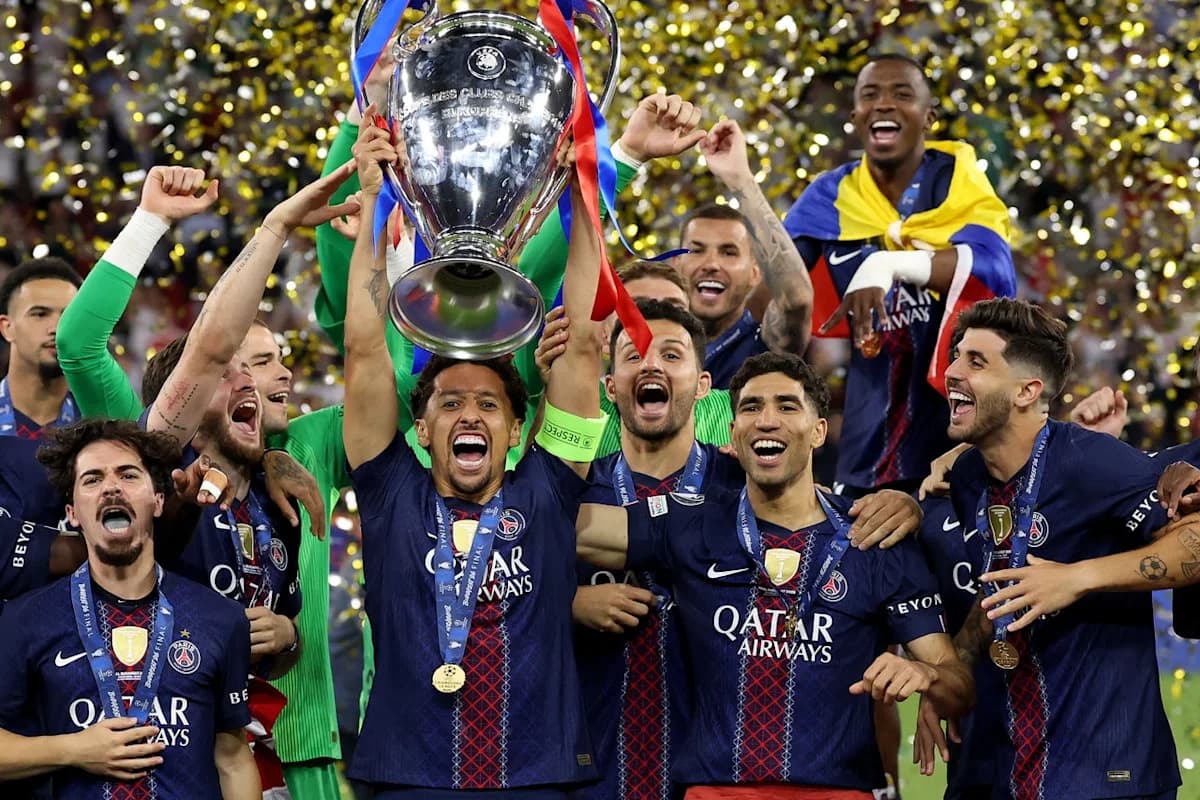
PSG’s Champions League Edge: A Blessing and a Curse
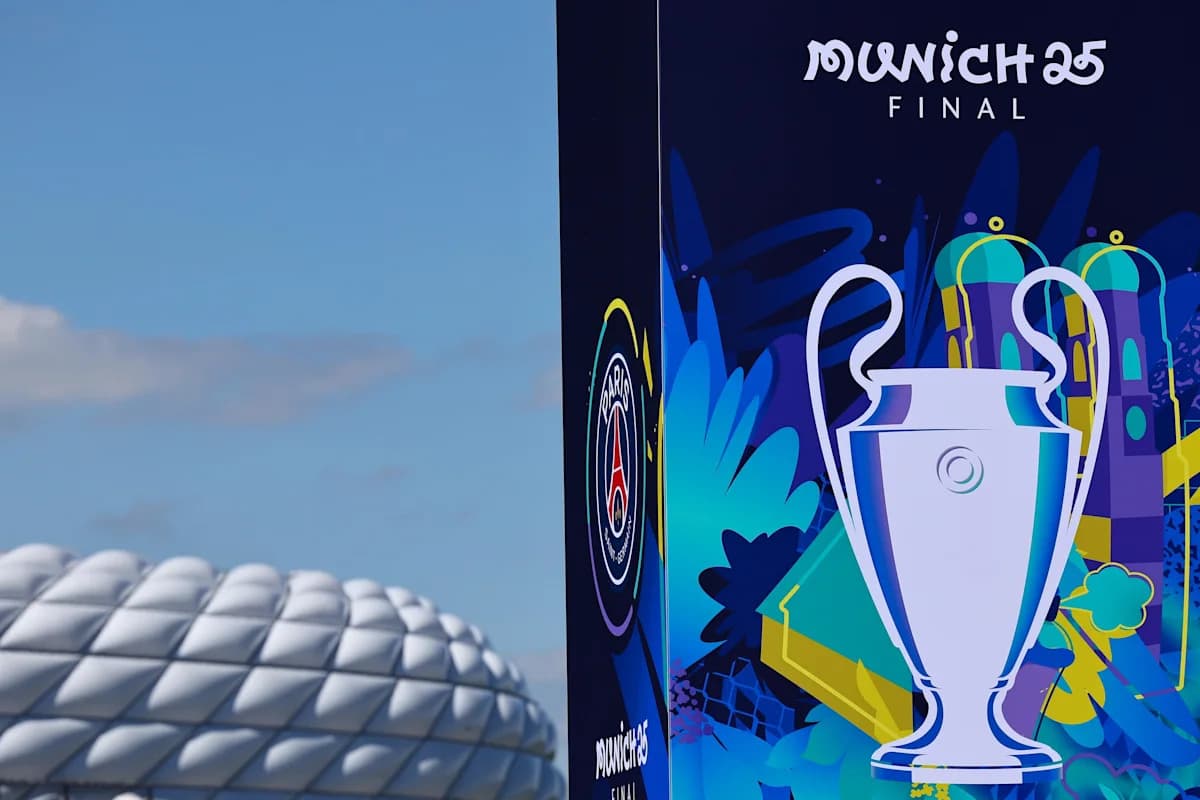
Right after the 2026 Champions League final, Mikel Arteta was consumed by one question that nearly overshadowed Arsenal’s Premier League triumph: how to overcome Paris Saint-Germain. With PSG chasing a third straight Champions League crown, this question feels especially urgent as the competition enters its third season since expanding to 36 teams.
The real issue might not be whether PSG are the undisputed best—they probably are—but if the current format unintentionally favors superclubs from single-team leagues like Ligue 1 or the Bundesliga. This debate touches on broader concerns about the balance of power in European football and how English financial dominance fits into the latter stages of the tournament. Yet, the early rounds seem to render those questions less relevant for now.
PSG’s Approach to the Group Stage
In their two recent Champions League wins, PSG finished 15th and 11th respectively in the opening league phase, forcing them into the play-off round. They rarely take the early stage seriously but know how to elevate their game when it truly counts in February and beyond. Their ability to peak at the knockout rounds is a skill many others struggle to master.
This isn’t just criticism of the group stage, which has lost much of its former magic and become financially skewed toward elite clubs. The lack of surprise outsiders nowadays is largely due to the huge prize money that has entrenched a tiered system. Still, the group stage offers moments of drama and discovery, introducing new clubs like Como, LASK, Viking, and Sabah to the big stage.
English Clubs and Competition Fatigue
For teams like Manchester United, returning to Old Trafford brings a reminder of the tournament’s allure, while managers like Jose Mourinho aim to add another title to their legacy. The departure of Pep Guardiola from Manchester City might free the club to push further this season, and Liverpool’s Andoni Iraola faces the challenge of adapting his team to the Champions League’s demanding schedule.
The competition’s format almost turns it into a domestic league, with regular fixtures creating what some describe as "wallpaper football"—always present but somewhat background noise until the knockout rounds begin. The group phase mainly shapes the bracket, without drastically affecting how the competition will finish.
Strategic Rest and English League Depth
This season marks the second year UEFA uses a tennis-style fixed route for progression, but rich clubs increasingly treat the eight-match league phase as a warm-up, saving their best players for tougher matches later on. This approach reflects a growing sense among top clubs that preserving fitness is more valuable than securing a favorable position in the initial phase.
The Premier League’s competitive balance adds complexity to English teams' campaigns. Unlike other leagues, it features a narrow gap between top and bottom clubs, making survival battles intense. This contrast explains why Tottenham, despite a poor Champions League run last year, still finished fourth in the group stage, only to be outclassed by Atlético Madrid in the knockout phase, a team battling relegation domestically.
New Champions League Dynamics and Power Struggles
The expanded group stage serves as a subtle counterbalance to the Premier League’s dominance, part of a broader football landscape where major clubs push back against English influence. The Super League was one attempt; the expanded Champions League is another, matching the Premier League’s broadcast revenues and competing for player attention.
This intensification also highlights a weakness in the Premier League: star quality. Clubs like Real Madrid, Barcelona, and PSG boast higher revenues and wages, helping them keep top players longer. For example, Rodri's move to Barcelona signals a potential resurgence, as he provides immediate defensive stability, something the Catalan giants have lacked since 2019.
Looking Ahead: The Battle Against PSG
Rodri’s arrival could shape this season’s Champions League significantly, especially as Arsenal failed to secure a similar attacking talent. While Barcelona regains respectability under Hansi Flick, the tactical demands remain high. If PSG don’t claim the title, other contenders must figure out how to break through their formidable defense and experience. This reality explains why Arteta emphasizes raising his squad’s level; PSG may stumble early in the season, but they alone know how to close the deal when it matters most.