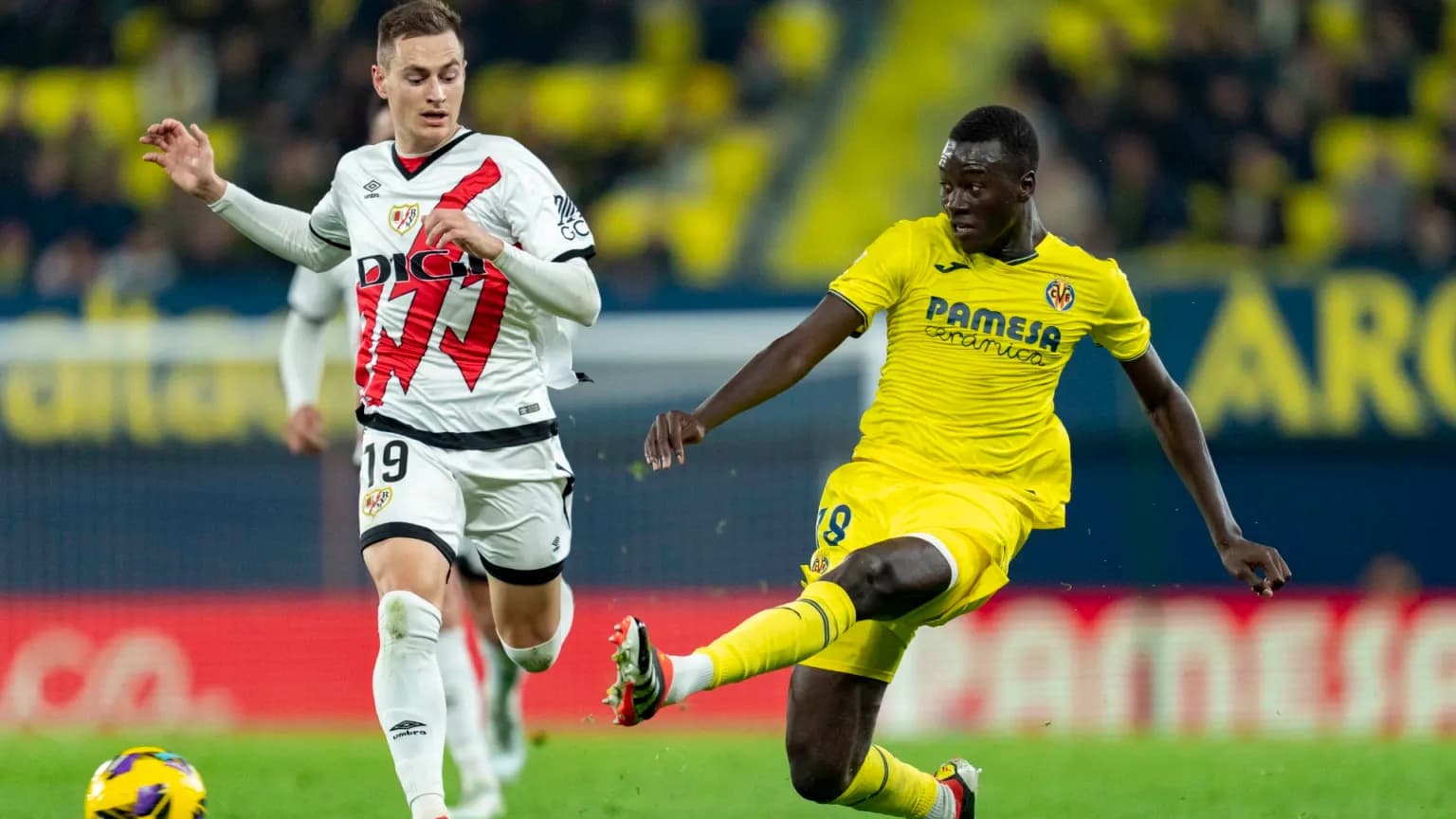
Rayo Vallecano vs Villarreal: La Liga Clash on May 17, 2026
Campo de Futbol de Vallecas stages a high‑stakes clash on 17 May 2026 as mid‑table Rayo Vallecano host Champions League‑chasing Villarreal in La Liga’s Regular Season – 37. With Rayo sitting 10th on 44 points and Villarreal 3rd on 69, the visitors are defending their place in Europe’s elite while the hosts look to cap a solid campaign with a statement home result.
Context and stakes
In the league, Rayo have carved out a secure mid‑table niche: 10 wins, 14 draws, 12 defeats, and a goal difference of -6 (37 scored, 43 conceded). Their home record is notably stubborn – just 2 defeats in 18, with 6 wins and 10 draws, and a tight 22-15 goal balance. They are difficult to beat in Vallecas, even if they rarely blow teams away.
Villarreal, by contrast, arrive as one of the division’s form attacking sides. Third place is underpinned by 21 wins from 36, 67 goals scored and a +24 goal difference. Their away numbers are good but not dominant – 7 wins, 5 draws, 6 defeats, with 24 scored and 25 conceded – suggesting they can be got at on their travels, even as they often find a way to score.
Form momentum slightly favours Villarreal. Across all phases, their recent pattern “WWDLWWWLDWWWWWWLWWLLDWLWWLWDWLWDWWDL” speaks to long winning streaks punctuated by the odd setback. Rayo’s sequence “WLDLDLLWWWLDDDLDLDWLLLWDDWDDLWLWDWDD” is more erratic, but with an important detail: they have proven capable of putting together three‑game winning runs and of grinding out draws when not at their best.
Tactical outlook: Rayo’s structure vs Villarreal’s firepower
Rayo’s season statistics paint a clear identity. At home they average 1.2 goals for and just 0.8 against, underpinned by 7 clean sheets and only 3 games without scoring in Vallecas. Their defensive platform is built on compactness rather than aggression: while they do collect yellow and red cards, the spread of cautions across all phases suggests a side that defends intensely for 90 minutes rather than only in late desperation.
Coach data points to a strong preference for a 4‑2‑3‑1 (22 uses), with occasional switches to 4‑4‑2 and 4‑3‑3. That base shape gives them a double pivot to screen the back four and allows wide attackers to support the lone striker on transitions. Given Villarreal’s attacking numbers, Rayo are likely to keep that double pivot intact, prioritising central protection and quick counters into the channels.
In the final third, the standout figure is Jorge de Frutos. With 10 league goals and 1 assist from 33 appearances, he is Rayo’s primary goal threat. His 47 shots (26 on target) and 27 key passes underline a dual role: finisher and secondary creator. De Frutos’ 53 dribble attempts (26 successful) and 36 fouls drawn suggest he will be central to Rayo’s plan to carry the ball upfield, win set pieces, and relieve pressure.
A notable subplot is penalties. Across all phases, Rayo have scored all 3 of their spot‑kicks this season, and De Frutos himself has won 3 penalties, scoring 1 and missing none. Against a Villarreal defence that can be stretched away from home, his direct running could again force decisive moments in the box.
Villarreal, meanwhile, are built around a very different profile: a high‑output attack layered onto a solid but not impregnable defence. In the league they average 1.9 goals per game (2.4 at home, 1.3 away), with 67 scored and 43 conceded. They have kept 8 clean sheets but have also failed to score only 5 times all season – a strong indicator that they almost always carry a threat.
The Yellow Submarine are tactically stable: a 4‑4‑2 in 35 of 36 games, with just one outing in 4‑3‑3. That consistency helps them generate fluid wide combinations and central overloads. The two headline performers are Georges Mikautadze and Alberto Moleiro.
Mikautadze has 12 league goals and 6 assists from 31 appearances, with 51 shots (29 on target) and 26 key passes. He is not just a penalty‑box poacher; his 65 dribble attempts (32 successful) and 45 fouls drawn show a forward who drops in, runs at defenders, and links play. Moleiro, from midfield, adds 10 goals and 5 assists, with 36 key passes and 61 dribble attempts (31 successful). Between them they account for 22 league goals and 11 assists, a substantial share of Villarreal’s total.
Interestingly, Villarreal’s team penalty record is perfect this season (6 scored, 0 missed), yet neither Mikautadze nor Moleiro has scored from the spot in the league, despite Moleiro having won one penalty. That hints at other designated takers but, more importantly, reinforces that Villarreal are efficient when opportunities arise in the area.
Head‑to‑head: Villarreal’s edge
The last five competitive meetings, all in La Liga, underline Villarreal’s recent superiority:
- 1 November 2025: Villarreal 4-0 Rayo Vallecano at Estadio de la Ceramica – Villarreal win.
- 22 February 2025: Rayo Vallecano 0-1 Villarreal at Estadio de Vallecas – Villarreal win.
- 18 December 2024: Villarreal 1-1 Rayo Vallecano at Estadio de la Cerámica – draw.
- 28 April 2024: Villarreal 3-0 Rayo Vallecano at Estadio de la Cerámica – Villarreal win.
- 24 September 2023: Rayo Vallecano 1-1 Villarreal at Estadio de Vallecas – draw.
Across these five league games: Villarreal have 3 wins, Rayo 0, with 2 draws. Rayo have not beaten Villarreal in this run and have failed to score in the last two encounters, including the 4-0 defeat in November 2025.
Key battles
- Rayo’s defensive block vs Mikautadze/Moleiro: Rayo’s home record (15 conceded in 18) will be severely tested by a duo that combines 22 goals, 11 assists and high dribbling volume. How well Rayo’s double pivot track Moleiro’s movements between the lines could decide whether Villarreal can dictate.
- Jorge de Frutos vs Villarreal’s full‑backs: De Frutos’ dribbling and penalty‑winning record make him Rayo’s best route to unsettling Villarreal’s back line. If he isolates his marker in transition, Villarreal’s away defensive average (1.4 goals conceded per game) could be exposed.
- Set pieces and discipline: Both sides accumulate cards, especially in the second half. Villarreal’s yellow card peak between 61-90 minutes, and Rayo’s reds are clustered after the break. In a tight game, a late dismissal or a well‑delivered free‑kick could swing the outcome.
The verdict
Data points in two directions. Rayo are extremely resilient at home, losing just twice in 18 and conceding under a goal per game in Vallecas. Villarreal, however, bring one of La Liga’s most potent attacks, a consistent 4‑4‑2 structure, and a clear historical edge in this fixture, with 3 wins and 2 draws in the last five league meetings.
Given Villarreal’s need to protect a Champions League position and their habit of finding the net away from home, they look marginal favourites. Yet Rayo’s home resilience and De Frutos’ form suggest they are capable of taking something, especially if they score first or earn set‑piece opportunities.
The most logical expectation is a competitive, tactically balanced match in which Villarreal’s superior firepower narrowly outweighs Rayo’s home solidity. A Villarreal win or a high‑level draw, with both teams on the scoresheet, aligns best with the available data.