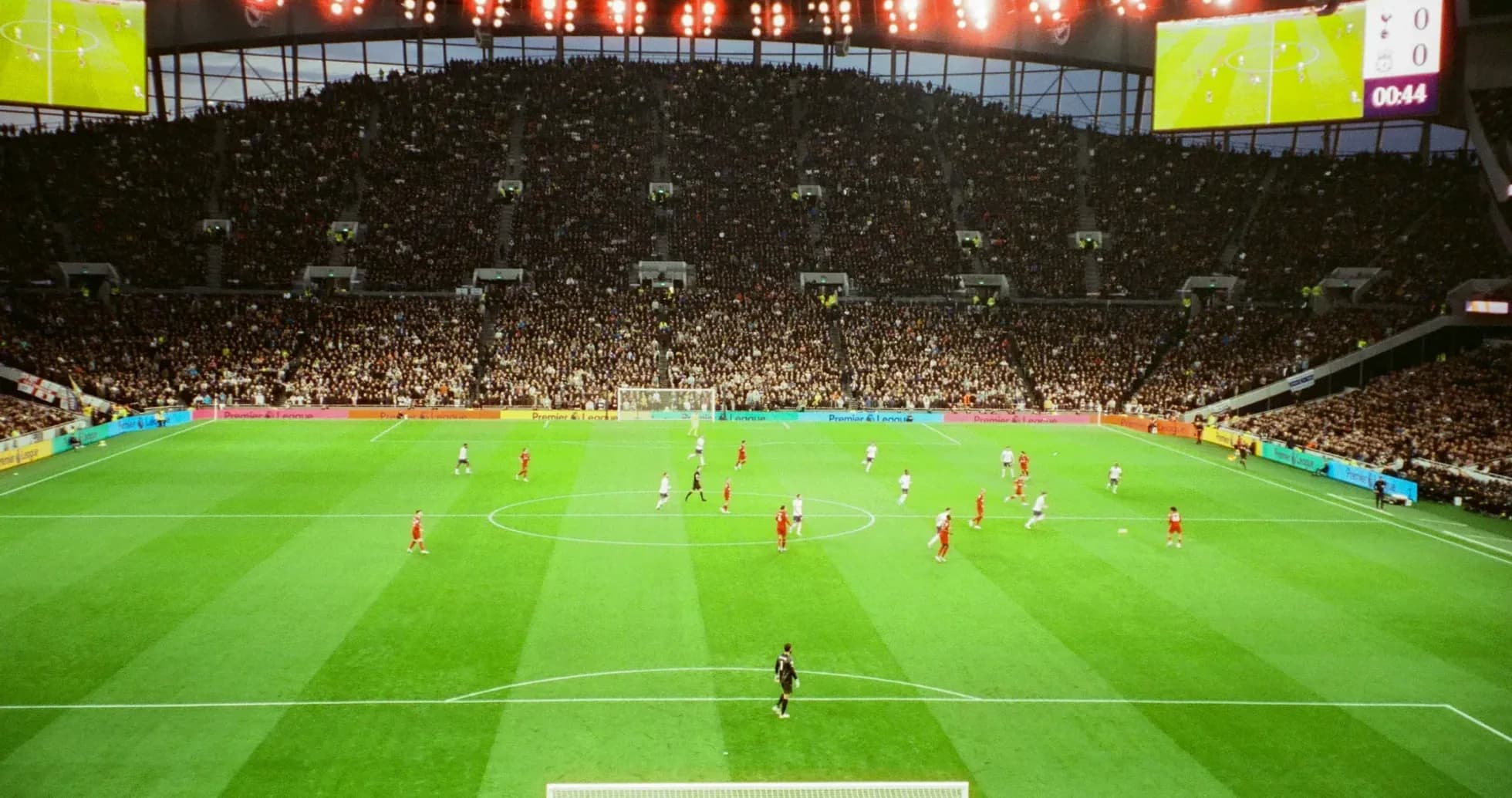
Real Betis vs Feyenoord: Champions League Tactical Showdown
Under the Seville lights at Estadio de la Cartuja, this was billed as a crossroads night in the UEFA Champions League League Stage – 3: an in‑form Real Betis, perfect in the group, against a wounded yet dangerous Feyenoord still searching for an away foothold. The 1–0 full‑time scoreline only hints at the deeper tactical story: Betis tightening their grip on qualification, Feyenoord discovering the limits of their expansive idea on hostile ground.
Heading into this game, the standings already framed the narrative. Real Betis sat 5th overall in the league table with 9 points from 3 matches, a perfect record built on 7 goals scored and 4 conceded, giving them a goal difference of +3. At home, they had been ruthless: 2 wins from 2, 4 goals for and 2 against, averaging 2.0 goals scored and 1.0 conceded per home match. Feyenoord, by contrast, arrived in 26th place with 3 points from 3 games, their goal difference at -4 (4 for, 8 against). On their travels, the numbers were stark: 2 away games, 2 defeats, 1 goal scored and 6 conceded, an away average of just 0.5 goals for and 3.0 against.
I. The Big Picture – Structures and Intent
Manuel Pellegrini doubled down on Real Betis’s emerging European identity, rolling out the familiar 4‑2‑3‑1 that has underpinned all three of their Champions League outings. ÁLvaro Vallés anchored the side in goal, shielded by a back four of Héctor Bellerín, Marc Bartra, Natan and Fran García. Ahead of them, Marc Roca and Pablo Fornals formed the double pivot, with a fluid band of three – Antony on the right, Isco central, A. Ezzalzouli on the left – operating behind lone forward T. Parrott.
The structure spoke of control and layered risk. Betis have yet to fail to score in this European campaign, and overall they average 2.3 goals per match while conceding 1.3. The 4‑2‑3‑1 is not just a shape; it is a promise of numerical superiority between the lines and stability behind the ball. Their biggest wins in the competition – 3‑2 at home and 2‑3 away – underline a willingness to trade punches, but the clean sheet total (1 overall, coming at home) hinted that a more controlled, mature European Betis was emerging.
Feyenoord, under Giovanni van Bronckhorst, matched that ambition with a 4‑3‑3. T. Ernst started in goal, behind a back line of G. Read, J. St. Juste, Mika Màrmol and Javi López. In midfield, G. Zechiél, C. Vanhoutte and O. Targhalline formed a three tasked with both screening and springing transitions, while the front line of A. Hadj‑Moussa, Nacho Ferri and L. Valente aimed to stretch Betis horizontally and vertically.
Yet the Dutch side’s season profile warned of structural fragility. Overall they concede 2.7 goals per match, and away from home that climbs to 3.0. They had not kept a single clean sheet in the competition, and had already failed to score once. The 5‑1 away defeat that stands as their heaviest loss was the spectre hanging over every Betis surge forward.
II. Tactical Voids – Absences and Discipline
Both squads arrived carrying wounds. Real Betis were without J. Firpo (groin injury), C. Hernandez (calf injury) and I. Losada (inactive). While none featured in the matchday squad, their absence subtly narrowed Pellegrini’s full‑back and rotation options, placing a heavier load on Fran García and Bellerín to provide width and endurance.
Feyenoord’s list was longer and more structurally significant: T. Beelen (broken leg), J. Bos (knee injury), J. Moder (knee injury), R. Nelson (muscle injury), B. Nieuwkoop (knee injury), G. Smal (ankle injury) and S. van Persie (knock) were all ruled out. That cluster of defenders and wide players forced van Bronckhorst into a back four that, while technically capable, lacked continuity and Champions League rhythm. It also limited his ability to adjust between a back four and a back three mid‑match.
Disciplinary trends shaped the risk map. Betis’s yellow cards this season are heavily concentrated after the break: 37.50% between 46–60 minutes, 25.00% between 61–75, and another 25.00% from 76–90, with a final 12.50% in added time. They are a side that grows more combative as the game stretches. Feyenoord’s bookings are more evenly spread but still peak at 40.00% between 46–60 minutes, with 20.00% in each of 0–15, 16–30 and 76–90. The second half, especially the first quarter‑hour, was always likely to become a pressure cooker.
III. Key Matchups – Hunter vs Shield, Engine Room Battles
The “Hunter vs Shield” duel unfolded on the Betis attacking line against a vulnerable Feyenoord rearguard. Overall, Betis average 2.0 goals at home, while Feyenoord concede 3.0 away. T. Parrott’s role was less about sheer volume of shots and more about occupation: pinning J. St. Juste and Mika Màrmol, opening corridors for Antony and A. Ezzalzouli to knife inside from the flanks. Every time Betis tilted their 4‑2‑3‑1 into a 2‑3‑5 in possession, Feyenoord’s back four were dragged into uncomfortable, wide‑open channels.
In the “Engine Room”, Marc Roca and Pablo Fornals were pitted against C. Vanhoutte and O. Targhalline. With Betis’s overall goals against average at 1.3, their double pivot has quietly become a defensive hinge. Roca’s positioning allowed Bellerín to advance aggressively, while Fornals knitted short combinations with Isco between Feyenoord’s lines. On the other side, Vanhoutte was tasked with both screening Isco and initiating Feyenoord’s build‑up; each turnover he suffered immediately turned into a Betis wave.
Isco, floating as the central creator, was the match’s metronome. His pockets of space between Feyenoord’s midfield and defence forced G. Zechiél and Vanhoutte into awkward decisions: step out and risk leaving lanes for Parrott and Antony, or hold the line and allow Isco to dictate tempo. In that hesitation, Betis found their superiority.
Out wide, Antony against Javi López and A. Ezzalzouli against G. Read were duels that tilted the pitch. With Feyenoord’s away record showing 6 goals conceded and no clean sheets, every one‑v‑one carried the threat of collapse. The Dutch side’s lack of a natural, experienced defensive wide player from their missing list meant both full‑backs were often isolated when Feyenoord’s own wingers, Nacho Ferri and L. Valente, stayed high.
IV. Statistical Prognosis and Tactical Verdict
Following this result, Betis’s perfect Champions League run extends: 3 wins from 3, 7 goals scored and now just 4 conceded, maintaining their +3 goal difference. At home, they remain flawless with 2 wins from 2, 4 goals for and 2 against, reinforcing Estadio de la Cartuja as a fortress. Their penalty record in the competition – 2 taken, 2 scored, 100.00% conversion with no misses – underlines a clinical edge when the margins tighten, even if spot‑kicks were not required on this particular night.
Feyenoord’s story darkens. Overall, they stay on 1 win and 2 defeats, 4 goals scored and 8 conceded, their goal difference locked at -4. Away from home, the pattern hardens: 2 games, 2 defeats, 1 goal scored and 6 conceded. The absence of any clean sheet in the competition is not an accident; it is the consequence of a high‑risk 4‑3‑3 built on an injury‑hit defensive unit.
Tactically, this match confirmed the trend lines suggested by the numbers. Betis’s 4‑2‑3‑1, used in all three Champions League fixtures, is giving them a stable platform: enough attacking pieces to maintain their 2.3 goals per game overall, but with a growing defensive maturity that has now delivered a second home match with only 1 goal conceded or fewer. Their yellow‑card surge in the second half speaks to a side willing to suffer and disrupt when protecting a lead.
Feyenoord, meanwhile, remain a side of split identities: vibrant and occasionally explosive at home, but brittle on their travels. With their away goals for average stuck at 0.5 and goals against at 3.0, any tactical preview of their future away nights must start from the same uncomfortable truth: until the defensive line is reinforced and the injury list shortens, their 4‑3‑3 will continue to feel like a glass cannon in Europe.
On this night in Seville, the numbers and the narrative converged. Real Betis played like a team heading for the Champions League 1/8‑finals; Feyenoord played like one still searching for a way to survive the journey.