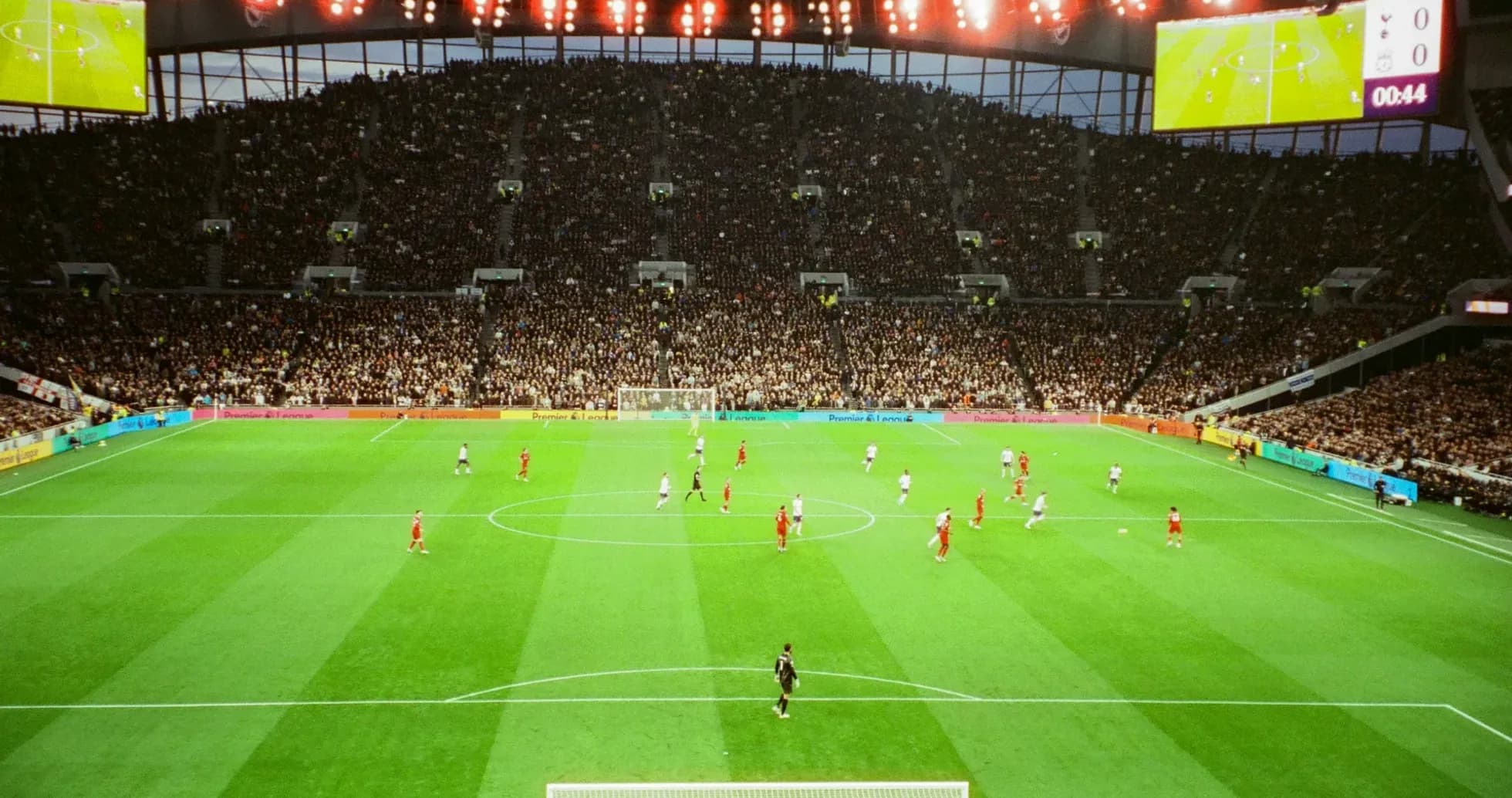
UEFA Champions League Semi-Final Preview: Paris Saint Germain vs Bayern München
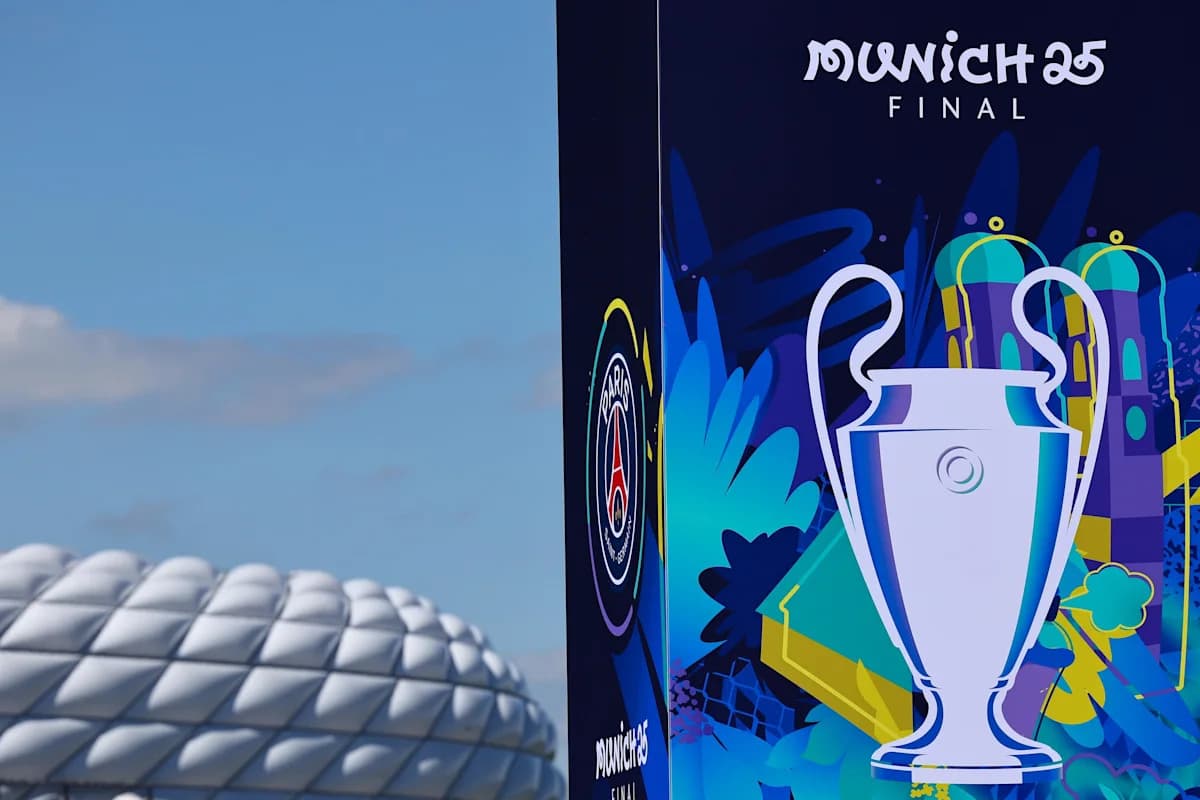
Under the lights of Parc des Princes in Paris on 28 April 2026, Paris Saint Germain and Bayern München walk out knowing that a place in the UEFA Champions League final is within touching distance and that this tie could define their year. For Paris Saint Germain, this is about finally turning continental promise into ultimate validation after a campaign where they have scored freely but still carry scars from past eliminations. For Bayern München, ranked near the top of Europe’s elite in this competition, it is the continuation of a ruthless march through the calendar, with the expectation in Germany that anything short of lifting the trophy will feel like underachievement.
Season Context
Paris Saint Germain arrive as a dangerous but imperfect contender in this Champions League campaign. In their group and knockout path they have taken 14 points from 8 matches, scoring 21 goals and conceding 11, a profile that underlines their attacking flair (21 goals) but also a defence that can be opened up (11 goals conceded). Their goal difference of +10 shows they usually outgun opponents, yet their rank of 11 suggests they have not always controlled ties as comfortably as their firepower implies.
Bayern München’s context is one of near-total control in Europe. With 21 points from 8 matches, they have been relentlessly efficient, winning almost every time they step onto the Champions League stage (7 wins, 1 loss). They have scored 22 goals and conceded only 8, giving them a goal difference of +14 that reflects both a prolific attack and a largely secure back line. Ranked 2 in the competition standings, they come into this semi-final as one of the benchmark sides of the year.
Form & Momentum
Paris Saint Germain’s recent European form reads “DLDWL”, a run that speaks of inconsistency (only 2 wins in their last 5, with 2 defeats and 1 draw) but also of a team that rarely goes quietly. The draws and losses in that sequence underline why they cannot be described as fully convincing (they have dropped points in 3 of their last 5), yet their overall attacking numbers in the Champions League keep them relevant in any high-stakes tie.
Bayern München’s form line of “WWWLW” is the mark of a side travelling with real momentum (4 wins in their last 5). One defeat in that stretch shows they are not untouchable, but the sequence is still overwhelmingly positive, especially when framed against their 22 goals scored and just 8 conceded in this Champions League run. They arrive in Paris looking like a team that expects to impose itself rather than react.
Head-to-Head Patterns
The recent history between these clubs has been defined by razor-thin margins and heavyweight punches landed in both directions, but with Bayern München often finding a way to edge the biggest nights. In the most recent meeting, Bayern München won 2–1 at Parc des Princes (UEFA Champions League, November 2025), a result that reinforced their ability to come to Paris and control key moments. Earlier that year, Paris Saint Germain had struck back on neutral soil with a 2–0 victory at Mercedes-Benz Stadium in Atlanta, Georgia (FIFA Club World Cup, July 2025), showing they can outplay Bayern over 90 minutes when their attacking structure clicks. Go back a little further and Bayern’s 1–0 home win at Allianz Arena (UEFA Champions League, November 2024) underlines a recurring pattern: in tight Champions League contests, Bayern often manage to keep Paris to zero or one goal and edge the scoreline.
Across these clashes, the tendency is clear: Bayern München have repeatedly found ways to suffocate Paris Saint Germain’s attack in Champions League ties while still carrying enough threat to nick the decisive goals. Yet Paris’ clean 2–0 win in the Club World Cup shows that if they control transitions and find rhythm between their wide forwards and midfield creators, they can flip the narrative in a one-off game.
Tactical Preview
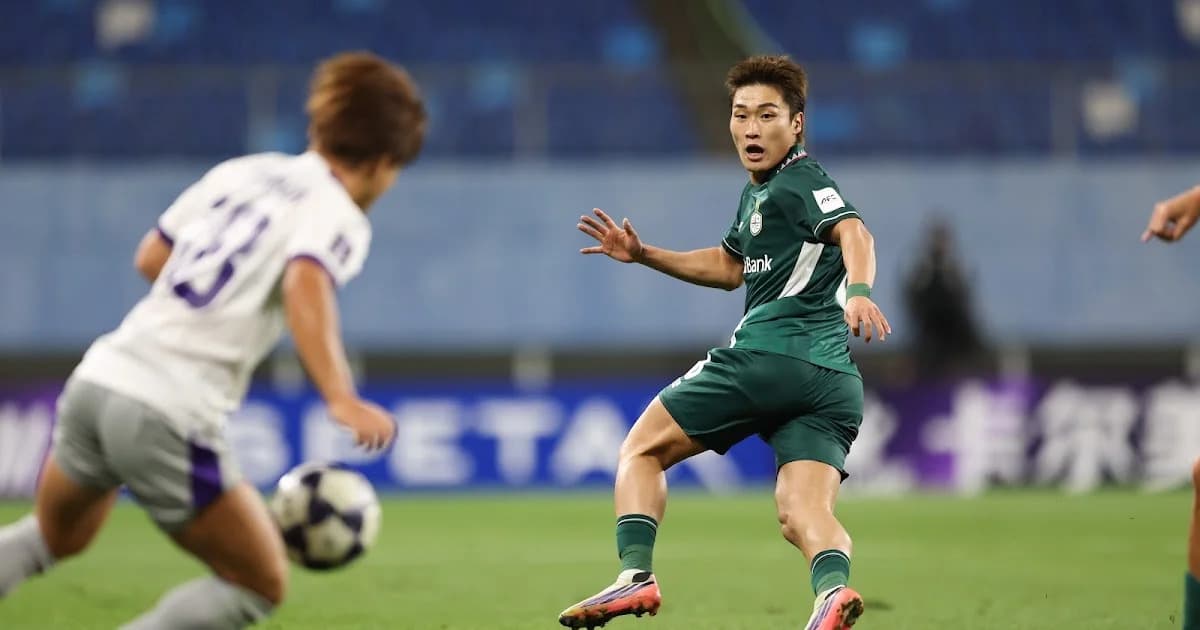
Paris Saint Germain’s European identity this year is built around a 4-3-3 base, as reflected in their most-used lineup structure (formation 4-3-3, played 14 times). That shape allows them to unleash an attack that has produced 38 Champions League goals across home and away matches (20 at home, 18 away), with an average of 2.7 goals per game. The front line is headlined by K. Kvaratskhelia, who has 8 goals and 5 assists in this competition, combining high-volume shooting (26 shots, 14 on target) with creativity between the lines (16 key passes, 88% pass accuracy). Around him, B. Barcola (2 goals, 4 assists, 25 key passes) and D. Doué (5 goals, 2 assists) give Paris Saint Germain the ability to rotate threats across the front, attacking both half-spaces and wide channels.
In midfield, Vitinha is the metronome and arguably the tactical hinge of the side. His 6 goals and 1 assist are impressive for a midfielder, but it is his 1,463 completed passes at 93% accuracy that define how Paris Saint Germain build from the back and sustain pressure. With 23 tackles and 14 interceptions, he also contributes to counter-pressing once possession is lost, which is crucial against Bayern’s transition threat. A. Hakimi, listed as a defender but functioning as a key outlet on the right, has 5 assists and 21 key passes, underlining how much Paris rely on full-back width to stretch blocks and create crossing and cutback opportunities.
Defensively, Paris Saint Germain’s Champions League numbers show some vulnerability: they have conceded 17 goals across 14 matches in the wider prediction dataset, with an average of 1.2 goals per game. The presence of players like I. Zabarnyi and L. Hernández, both appearing among the red-carded profiles, hints at an aggressive back line that can occasionally overstep, something Bayern’s movement can exploit.
Bayern München, by contrast, are structurally anchored in a 4-2-3-1 (their primary formation, used in 12 matches), a system that balances a devastating front four with a double pivot capable of both screening and initiating attacks. Their offensive output is elite: 38 goals in this Champions League run (20 at home, 18 away) at an average of 3.2 per game. H. Kane is the focal point, with 12 goals and 1 assist from 11 appearances, supported by 32 shots (21 on target) and 13 key passes; his presence means Bayern can play into feet, into space, or rely on him to finish low-percentage chances.
Behind and around Kane, M. Olise has become the creative engine with 6 assists and 4 goals, plus 31 key passes and 56 dribble attempts (34 successful), numbers that indicate a constant one‑v‑one threat on the flanks or in the half-spaces. L. Díaz adds a direct vertical runner from midfield with 6 goals and 3 assists, while S. Gnabry contributes 5 assists and 2 goals, giving Bayern München multiple lines of penetration. In midfield, J. Kimmich and L. Goretzka provide control and ball progression, and K. Laimer’s 22 tackles and 4 yellow cards show the more combative edge in the engine room.
At the back, Bayern’s 14 goals conceded across 12 matches (1.2 per game) suggest they are not impenetrable but are generally solid, especially considering their attacking ambition. The presence of full-backs like A. Davies and Raphaël Guerreiro allows them to push high and pin Paris Saint Germain’s wingers, potentially limiting transitions for K. Kvaratskhelia and B. Barcola. However, Bayern’s card profile, including red cards for L. Díaz and a notable yellow count for K. Laimer, hints at a physical approach that could be punished if Paris draw fouls in dangerous areas.
Statistical Snapshot
- Competition: UEFA Champions League — 28 April 2026.
- Venue: Parc des Princes, Paris.
- Home Attack Peak: Peak: 61-75 (9 goals, 23.68%).
- Away Attack Peak: Peak: 46-60 (8 goals, 21.05%).
- Prediction: Win or draw — Combo Double chance : draw or Bayern München and +1.5 goals.
- Poisson Edge: 40.8% vs 59.2% (Poisson win probability).
Betting Verdict
The models lean towards Bayern München avoiding defeat, and the odds market broadly agrees, with home prices hovering around 2.20–2.35 and away prices roughly between 2.70 and 2.95, while the draw sits around 3.75–4.00. Bayern’s superior form line (“WWWLW”), their stronger overall Champions League record (21 points, 22 goals scored, 8 conceded), and their recent 2–1 win in Paris (UEFA Champions League, November 2025) all support the “draw or Bayern München and +1.5 goals” angle. Paris Saint Germain’s attacking talent, led by K. Kvaratskhelia and Vitinha, plus their 2–0 win in the FIFA Club World Cup in July 2025, means an upset is possible, but the balance of evidence points towards Bayern’s structure and efficiency having the edge over 90 minutes. From a betting perspective, following the prediction and siding with Bayern on the double chance combined with over 1.5 goals aligns with both the statistical profile and the recent head‑to‑head pattern.