Fred Vasseur's Firm Stance on Ferrari's Driver Dynamics
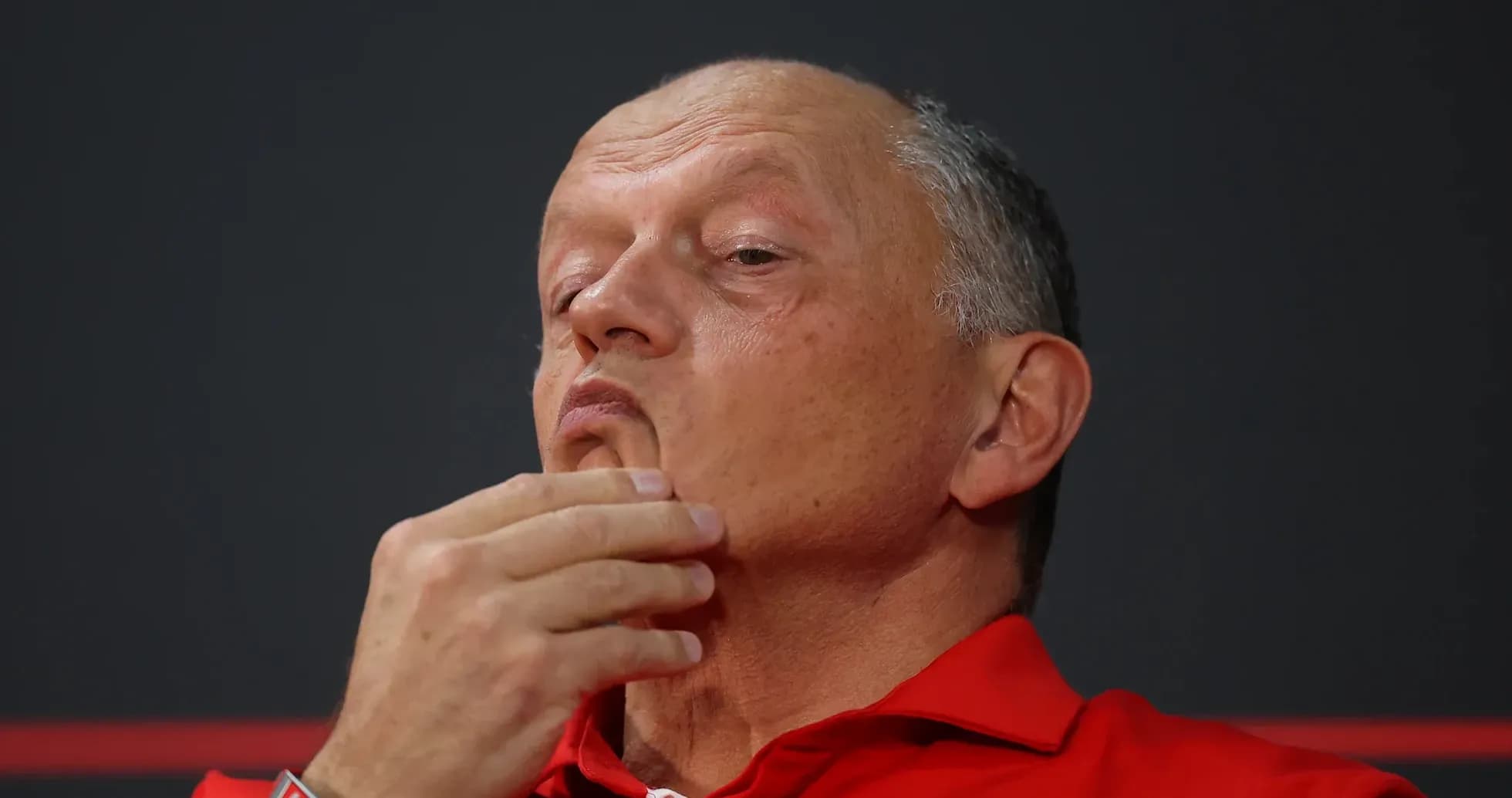
Fred Vasseur has no interest in running a harmony club at Ferrari. He just wants control.
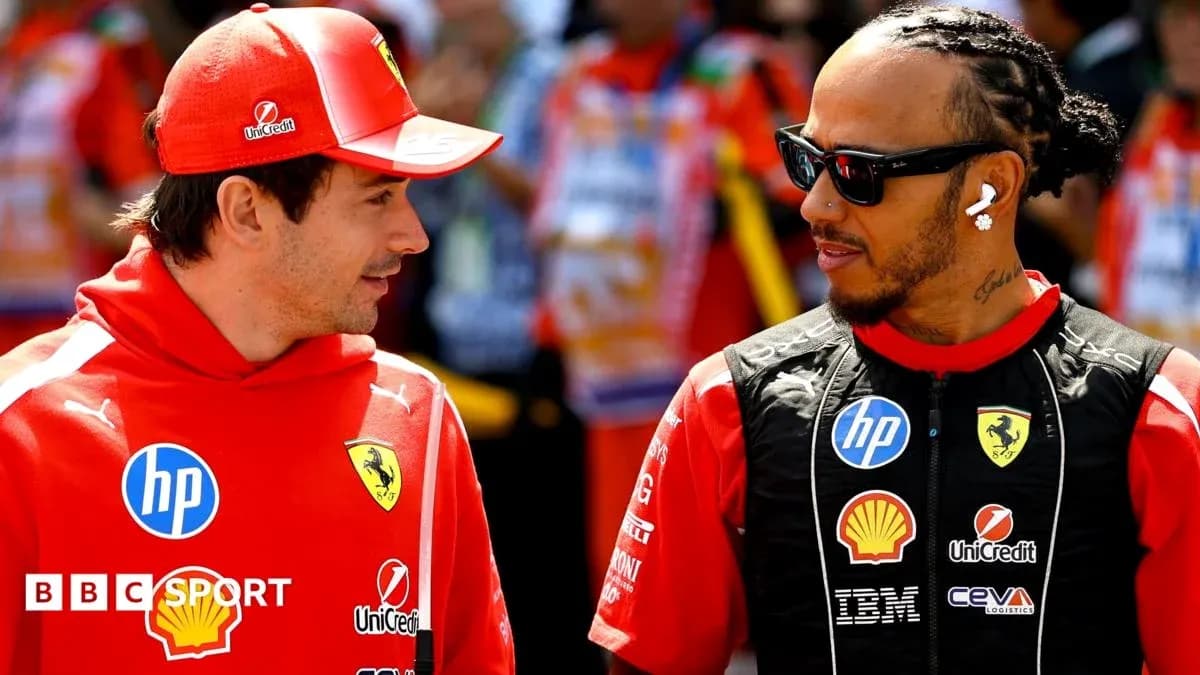
Days after Lewis Hamilton and Charles Leclerc clashed on the opening lap in Mexico City and threw away what looked like a golden one-two, the Ferrari team principal has sat them down, laid out the rules and drawn a hard line: respect the team, or there will be consequences.
Mexico flashpoint forces the issue
At the Autodromo Hermanos Rodriguez, Ferrari’s dream start disintegrated in seconds. Hamilton and Leclerc went wheel-to-wheel into Turn 1, the kind of high-risk, high-stakes duel that thrills fans and gives team bosses nightmares.
Leclerc picked up a five-second penalty for the clash with his team-mate. The one-two disappeared. So did a straightforward win.
“We failed collectively because we were one-two and didn't win the race in the end,” Vasseur admitted. For a team that has clawed its way back into contention in recent weeks, that stung.
Hamilton, never shy of confronting uncomfortable truths, immediately called for talks on the “rules of engagement” before the Sao Paulo weekend. Vasseur, speaking in Friday’s Team Representatives’ press conference, confirmed those talks had already happened the previous evening.
“We spoke yesterday evening because I had to fly back to Europe between the two races,” he said. “It went well. It was good to discuss things and clarify my position and their positions. Now we turn the page and focus on the next one.”
The page may be turned, but the message is not soft.
Respect, rivalry and the Ferrari badge
Vasseur knows exactly what he has on his hands: two elite drivers, both starting near the front, both convinced they should lead the team. Friction is inevitable.
“I think they've accumulated a bit of frustration because they're starting each weekend side by side, and you have an accumulation of incidents,” he said. “At the end of the day, the guidelines are always the same. They need to respect each other. They're two competitors with a fighting spirit, but they need to respect one another.”
Then came the real emphasis – not on the drivers, but on the badge on the nose.
“Mainly, and firstly, they need to respect the brand, the team, the people working at home and the people working at the track. We're putting a lot of effort into this, and the message was clear and will stay clear.”
Ferrari’s revival since Monza and Madrid has not happened by accident. The car is sharper, the strategy less chaotic, the points tally heavier. That, in Vasseur’s eyes, belongs to the workforce, not the egos in the cockpit.
“We're working for a brand, for sponsors, but mainly for the employees of the team,” he stressed. “We've had a good recovery in terms of performance. We came back after Madrid in much better shape, and that's due to the work of the people at home. As a team, we all have to keep this in mind. It's not due to the wind. It's due to the work of the employees of the company.”
Two alphas, one garage
Is managing Hamilton and Leclerc proving a particular challenge? Vasseur didn’t flinch.
“For sure, we have two experienced, competitive guys,” he said. “It's now four or five races in a row that we've been at the front, scoring the highest number of points after Monza and Madrid. You have an escalation because they both want to win races. I think that's probably the downside of the system. We have two competitive guys starting each weekend next to each other.”
That “downside” is the classic front-running dilemma. Put two heavyweights in equal machinery and sparks will fly. The upside is obvious – relentless performance.
“But we are P2 today, because we have two guys who are very close, and we have to manage it. It's a choice in the line-up, and has positives and negatives. But I will deal with the negatives.”
This is the trade-off Vasseur has willingly accepted: live with the tension, harvest the results.
Hamilton, Leclerc and the limits of harmony
Hamilton has already made it clear he will not be silenced in the wake of Mexico. Asked if that worried him, Vasseur shut the door on any public airing of their private conversations.
“I was clear with Lewis, and I'll keep that between Lewis and myself,” he replied.
He also dismissed the idea that there is a template for a “perfect” intra-team relationship. Carlos Sainz and Leclerc, Leclerc and Hamilton, Hamilton and Valtteri Bottas – all different dynamics, all shaped by personality and circumstance.
“You can't compare the relationship between Carlos and Charles, Charles and Lewis, or Lewis and Valtteri in the past. They have different personalities,” Vasseur said.
Then came perhaps his most telling line.
“I'm not asking them to be best friends. I think that would probably even be a bit negative. I'm just asking them to act and work as professionals, and that's it.”
No manufactured bromance. No PR gloss. Just two drivers expected to keep the fight within the boundaries of what Ferrari can accept.
Asked whether concrete consequences had been laid out for any repeat of Mexico, Vasseur stayed firm on one point: this is an internal matter.
“We had a discussion, and it has to stay private. It's a matter of respect for them and for the team,” he said.
Wolff’s déjà vu warning
From the other side of the paddock, Toto Wolff watched the situation unfold with a familiar sense of recognition. He has lived this before.
“It's like déjà vu because you asked me exactly the same questions for so many years, and then Nico called it a day,” the Mercedes boss said, referencing the combustible Hamilton–Nico Rosberg rivalry that once split his own garage.
“Sometimes, when you put two strong drivers in, the best ones have edges and they want to win. That's a situation that's always very difficult to cope with, particularly under the media spotlight when those cars are racing at the front. I can relate to what Fred is going through at the moment.”
The lesson from that Mercedes era was brutal but effective.
“Sometimes it needs a really tough incident to make a point,” Wolff admitted. “When I was there with Nico and Lewis, whenever there was an accident, it was understood that this was the limit and it wouldn't continue like that.”
The common thread with Vasseur’s stance is obvious.
“It's about respect for the team – the many thousands of people and the brand they work for. That's what they need to keep in their heads,” Wolff said.
Ferrari now stand in that same tightrope moment. Two world-class drivers, one resurgent car, and a team boss determined that Mexico becomes a warning, not a template.
The message from Maranello is clear enough: the red cars can fight, but Ferrari must win.