Vincent Kompany's First Season: A Breakthrough for Bayern's Youth
The smell of boiled sausages has become the unofficial soundtrack of Vincent Kompany’s first season in charge.
Down on Bayern’s campus, the canteen staff have been firing up the pots again and again. Since Lennart Karl stepped onto the pitch at the Club World Cup last summer, nine academy players have made their professional debuts. Nine debuts, nine Weißwurst breakfasts – at least by the rough count of those who work closest to the club’s youth conveyor belt.
Recently, they could barely keep up.
Youth boss Jochen Sauer walked into the kitchen not long ago with a wry smile. “Here we are again – sooner than expected,” he greeted the staff. The latest spread was meant to honour Maycon Cardoso’s first appearance in early March against Gladbach. Before the plates were cleared, Deniz Ofli, Filip Pavic and Erblin Osmani had followed him into the first team.
One debut after another, driven by a minor injury crisis and a head coach willing to trust teenagers. Wisdom Mike, David Santos Daiber, Cassiano Kiala and Felipe Chavez had already been rewarded earlier in the season. Kompany, the so‑called “master of ceremonies”, has turned Bayern’s bench into a graduation stage.
The numbers tell the rest of the story. “We’ve already achieved the most debuts per season from players from our own youth academy and clocked up the most total minutes played with the youngest average age of the players in question,” Sauer said, proud and unapologetic. He stressed that no other club in Europe’s top leagues can currently match that record.
The sausages, though, are getting a breather. To spare the canteen from another wave of emergency breakfasts, no further Weißwurst ceremonies are planned for now. The big thank you will come later: a summer barbecue “to celebrate our record-breaking season in style”.
From missed chances to a new creed
This record is more than a quirky ritual. It is a sharp break from a recent past that cost Bayern some of the best German players of their generation.
Angelo Stiller is the prime example. Once a local boy and academy hopeful in Munich, he now drives VfB Stuttgart’s midfield under Sebastian Hoeneß, the same coach who had nurtured him in Bayern’s youth ranks. His form has pushed him into the conversation for a place in the Germany squad for the upcoming World Cup.
His path away from Bayern started with what he later called a “slap in the face” – a decision that laid bare the club’s old reflexes in the transfer market.
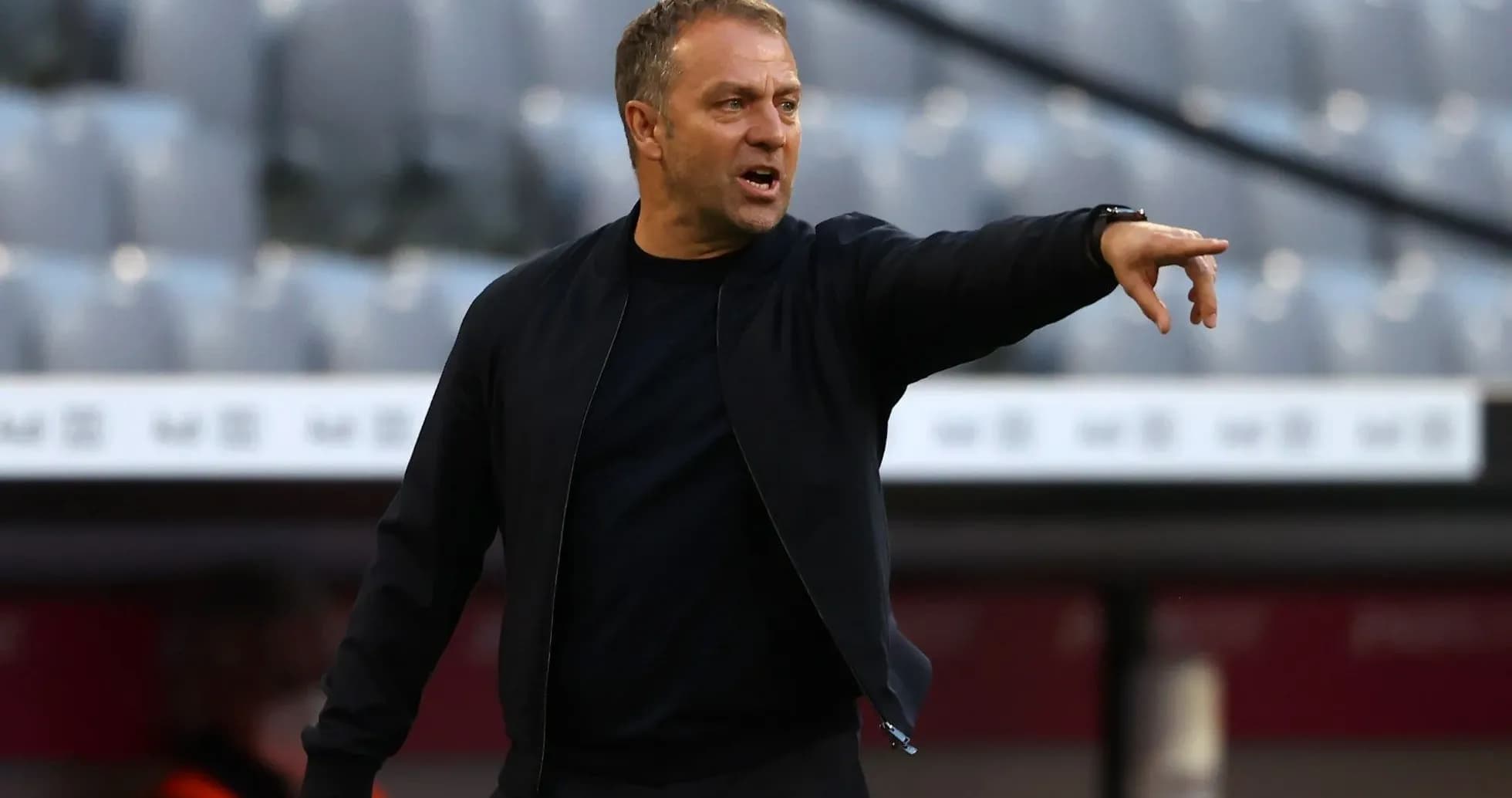
Wind the clock back to autumn 2020. Hansi Flick had just guided Bayern to the treble and was chasing the sextuple. Because of the pandemic, the transfer window stretched to 5 October, and Bayern dived into a frantic late spree.
Within 24 hours, five new faces arrived: Marc Roca (23, €9 million), Bouna Sarr (28, €8 million), Eric Maxim Choupo-Moting (31, free), Douglas Costa (30, loan) and Tiago Dantas (19, loan). The then sporting director Hasan Salihamidzic fronted the business.
Two years later, that rush looks like one of the most misguided bursts of activity in Bayern’s recent transfer history. Only Choupo-Moting provided lasting value. Sarr and Costa never truly helped the team. Roca and Dantas, meanwhile, occupied spots that could have gone to Stiller and fellow academy midfielder Adrian Fein, now at SSV Jahn Regensburg. It was expensive, and it was short-sighted.
Roca at least brought in a small profit when Leeds United paid a reported €12 million for him in 2022. Dantas, though, became the symbol of a deeper problem.
His loan from Benfica was largely driven by Flick, who had noticed the Portuguese youngster during his time as sporting director at the DFB. Rumours around Säbener Straße suggested he pushed the deal through against Salihamidzic’s wishes. “Brazzo” was said to have had other ideas for the midfield.
Tension followed quickly. Dantas trained regularly with the first team, and whispers grew louder: why was the loanee being favoured ahead of Stiller, a homegrown talent? The situation turned farcical when it emerged that Dantas was not even eligible to play for the first team until 1 January. The paperwork had arrived after the original deadline, delaying his registration and throwing fuel on the fire.
The reporting infuriated Flick. “That’s not true,” he snapped, accusing outsiders of trying to “drive a wedge between the first team and the academy”. He insisted he was in constant contact with the campus and that “if there’s an issue, we speak with one voice”.
Stiller’s later words suggested the wedge was very real.
Stiller walks away, and grows
By November 2021, Stiller, then 20, no longer hid his frustration. He described the signings of Roca and Dantas as a “slap in the face”. The following summer, he told SPOX that “ultimately, it was clear to me that my time at Bayern would be over after this season”.
He let his contract run down and left on a free transfer to TSG Hoffenheim, where he quickly became a regular under Hoeneß. When Hoeneß moved to Stuttgart for the 2023/24 season, Stiller followed and took another leap in his development.
Now 24, he is among the most complete midfielders in the Bundesliga. During the March training camp at the start of the World Cup year, he started twice for the DFB. Julian Nagelsmann had initially left him out, a decision that baffled plenty of observers. Injuries to Aleksandar Pavlovic – another Bayern academy product – and Felix Nmecha opened the door. Stiller walked straight into the line-up and can again quietly dream of a World Cup ticket.
His rise is a stark reminder of what Bayern risk when they block the path from campus to Allianz Arena.
Dantas, the late bloomer
And Dantas? His story unfolded very differently.
The technically gifted midfielder never managed to meet the towering expectations at Bayern. Flick himself soon recognised that the step was too big. Physically, Dantas struggled. In the Bundesliga he made only two appearances, a footnote in a season that had once been sold as his big chance.
When Flick departed in the summer after his public power struggle with Salihamidzic and then failed as Germany coach, Bayern quietly declined to trigger the €8 million option to buy Dantas permanently.
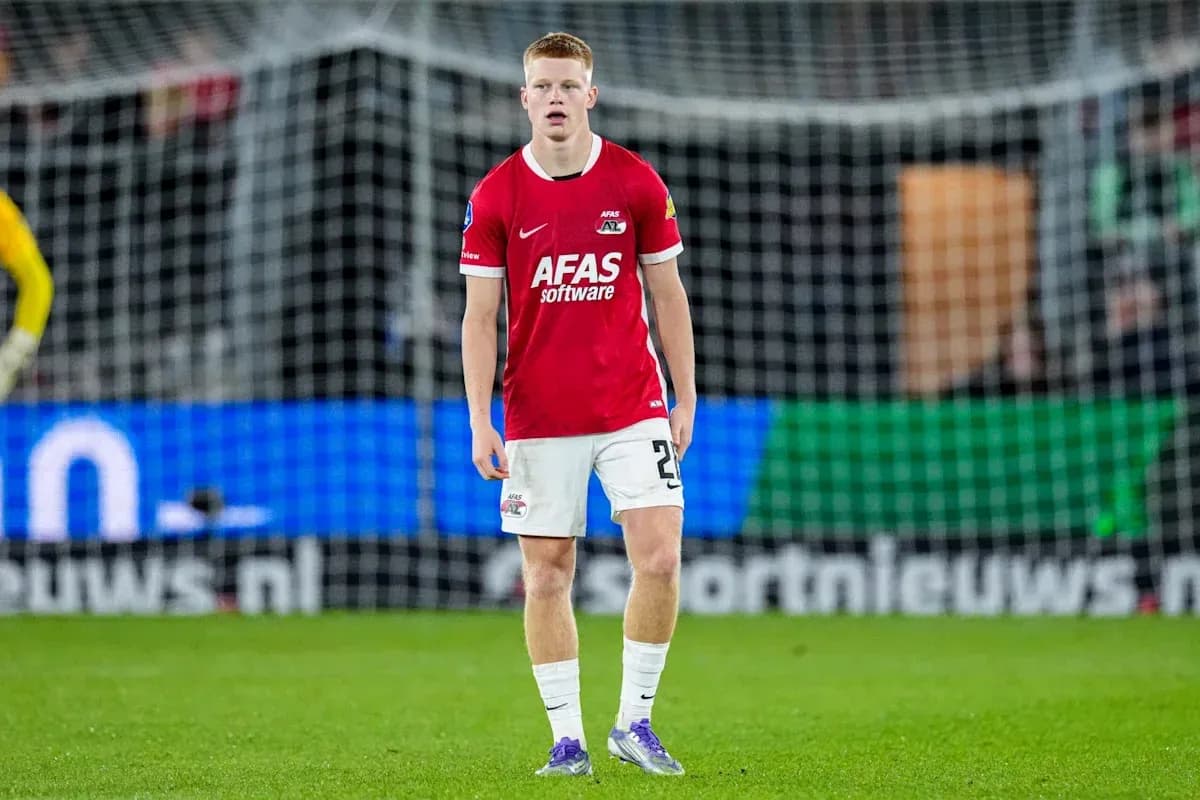
Back at Benfica, he found no real role either. Loans followed, one after another: CD Tondela in Portugal, PAOK Thessaloniki in Greece, AZ Alkmaar in the Netherlands. The 18-time Portugal U21 international became a footballing nomad, searching for a home and a team that would truly trust him.
He finally found that in Croatia.
In the summer of 2024, Dantas signed a one-year deal with NK Osijek and, for the first time in his senior career, nailed down a regular starting place. His weaknesses in one‑on‑one duels remained obvious, but his passing range and feel for tempo stood out.
That was enough to earn another move, this time to HNK Rijeka. At the 2017 champions and multiple cup winners, Dantas has become the hub of the midfield and, crucially, a goal threat. Across 44 competitive matches this season, he has scored eight times and set up ten more.
He almost had the chance to show Germany what he has become. Rijeka reached the Conference League round of 16 before falling to Racing Strasbourg. The French side now face Mainz 05, but Dantas will watch from afar.
Still, his season is far from over. Rijeka sit third in the league, well behind Dinamo Zagreb, yet the dream of a first major title as a central figure remains alive. His medals with Bayern – the league and the Club World Cup – came as a bit-part player. This would be different.
The Croatian Cup has turned into his stage. In a wild 3-2 quarter-final against Hajduk Split, all three goals came in stoppage time. Dantas kept his nerve from the spot to make it 1-1, setting up a chaotic, unforgettable finish.
Now comes the semi-final against his former club Osijek. For Bayern, he is a footnote in a cautionary tale about transfer panic and blocked pathways. For Dantas himself, one more win could mark the real beginning of a career that, for a long time, looked like it might never truly start.