Giannis Antetokounmpo's Future with the Milwaukee Bucks in Question
The Milwaukee Bucks didn’t just drift into the 2025-26 season. They walked straight into a storm.
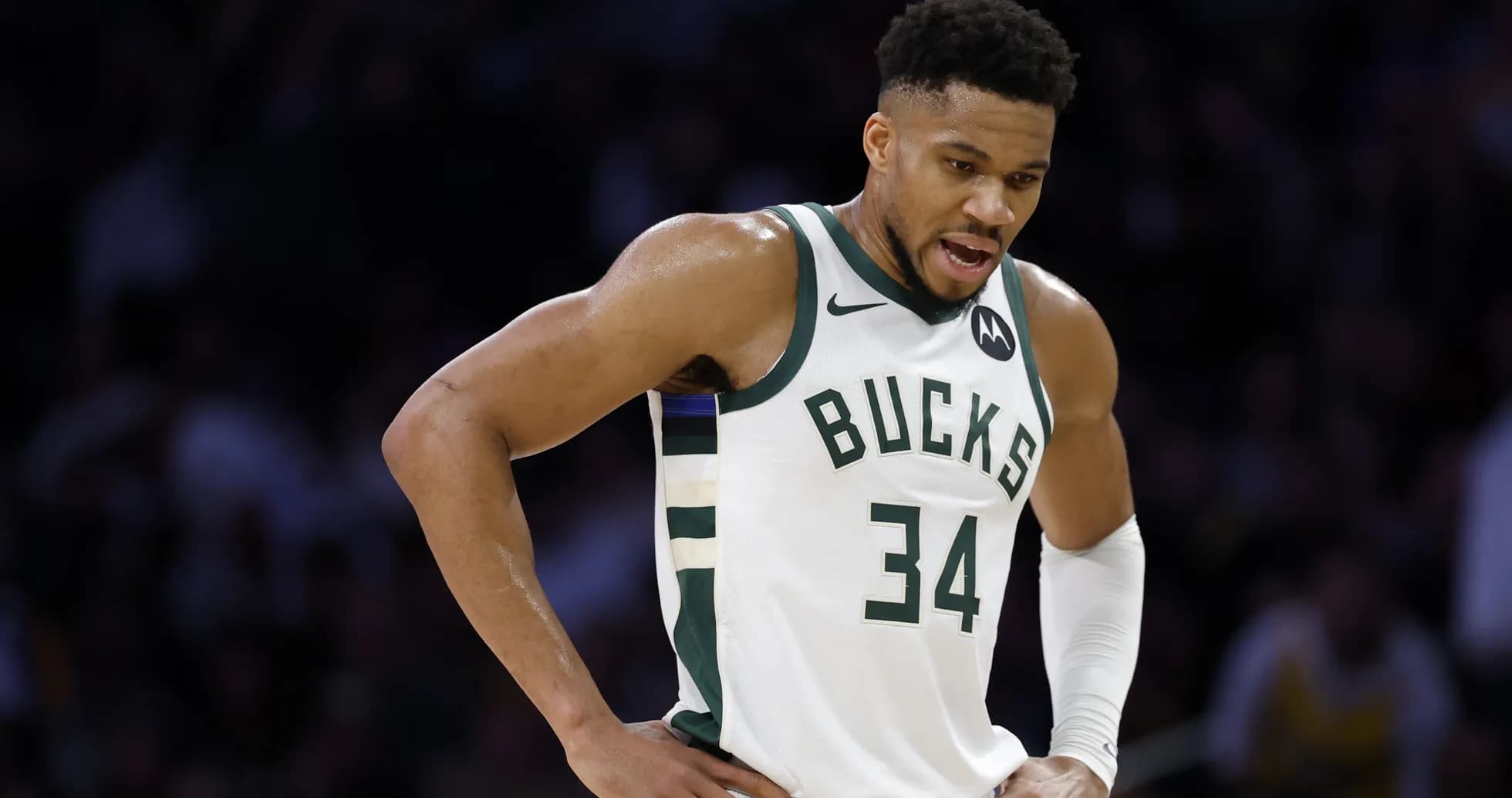
At the center of it all: Giannis Antetokounmpo, the two-time MVP who built Milwaukee into a champion and now openly questions whether the franchise can still match his ambition. Months before the February trade deadline, he had already voiced “serious doubts and concerns” about the roster, according to Shams Charania on ESPN. That wasn’t background noise. It was a warning.
Milwaukee had pushed all its chips in over the past few years. Jrue Holiday. Damian Lillard. Multiple first-round picks gone, flexibility burned in the name of contention. The payoff never came. Three straight first-round exits later, Antetokounmpo signaled privately that maybe the partnership had run its course.
One source told ESPN that Giannis tried to handle everything “professionally” and “up front with the team,” but the same voice acknowledged the darker possibility: what could have been a graceful transition might devolve into “a nasty breakup.”
Miami on the brink of a blockbuster
According to Charania, the Bucks “seriously considered” trading Antetokounmpo to the Miami Heat just before the February 5 deadline. Not a rumor. Not a hypothetical. Real talks. Real names. A deal that would have redrawn the NBA’s power map overnight.
The fuse was lit in late January, when Antetokounmpo and his representatives sat down with ownership, including Jimmy Haslam and Wes Edens. The conversation revisited a previous understanding: if things went sideways, the franchise and its superstar would work together on a trade.
As the deadline drew closer, the league circled. The Minnesota Timberwolves checked in. So did the Golden State Warriors. But the most serious, structured proposal came from South Beach.
Miami’s offer centered on Tyler Herro, rookie big man Kel’el Ware, additional players, and a package of draft picks and swaps. Team sources told ESPN the Bucks didn’t treat it as a courtesy call. They weighed it. Hard. Inside the front office, February 4 loomed as a day they might actually pull the trigger.
General manager Jon Horst had set the price sky-high: elite young talent plus significant draft capital. Across the league, Milwaukee asked for top prospects such as Evan Mobley and VJ Edgecombe in other conversations, a clear message that if they moved Giannis, it would be for a haul befitting a generational star.
The stance created friction. Some rival teams felt the Bucks dragged their feet. Others thought the price bordered on impossible. Yet the Heat talks pushed furthest toward the finish line.
Then came the pause.
On the morning of February 5, after days of internal debate, ownership informed Miami the deal was off. No trade. No reset. Antetokounmpo would stay in Milwaukee — at least for now.
Staying put, but not at peace
Keeping Giannis didn’t solve the problem. It only extended the timeline.
According to ESPN, the entire saga deepened the unease inside the organization. One team source distilled the mood into a single, stinging line: “The crux of the issue is feeling Giannis doesn’t want to be here on any given day.”
Around the deadline, Antetokounmpo missed 15 games with a calf injury. That absence could have been a convenient cover for a soft shutdown. Instead, once healthy, he aligned with Horst and head coach Doc Rivers on chasing wins, not draft position. The star stayed committed to playing. The losses kept coming anyway.
Milwaukee’s problems ran deeper than one injury or one deadline. The identity that once defined the Bucks — physical, connected, relentless — felt blurred. The direction of the franchise, once so clear, now looked murky.
The uncertainty stretched to the bench as well. Marc Stein reported there is “an anticipation” that Rivers and the franchise could move toward some form of separation or restructuring after a disappointing season. Rivers, newly named to the 2026 Basketball Hall of Fame class, inherited a volatile situation and tried to steady it. Questions now swirl about whether he will be the one to lead the next version of this team, whatever that looks like.
One ultimatum, one summer
Wes Edens has stripped away any ambiguity. The Bucks governor has made the stakes plain: Giannis Antetokounmpo will either sign an extension or be traded.
In October, Antetokounmpo becomes eligible for a four-year, $275 million extension. The number screams commitment. The reality is less certain. After the near-miss with Miami, every conversation, every quote, every glance at the standings will be read as a clue.
By turning down the Heat’s offer, Milwaukee chose patience over upheaval. It did not choose safety. Trade interest is expected to roar back in the offseason, and rival executives will line up again with new packages, new pitches, and the same question: what will it take?
For the Bucks, the answer will define an era. Either they convince one of the league’s most dominant forces to believe in their vision again, or they face the unthinkable — building a future without the player who changed their past.