Virgil van Dijk: A Model of Consistency and Leadership
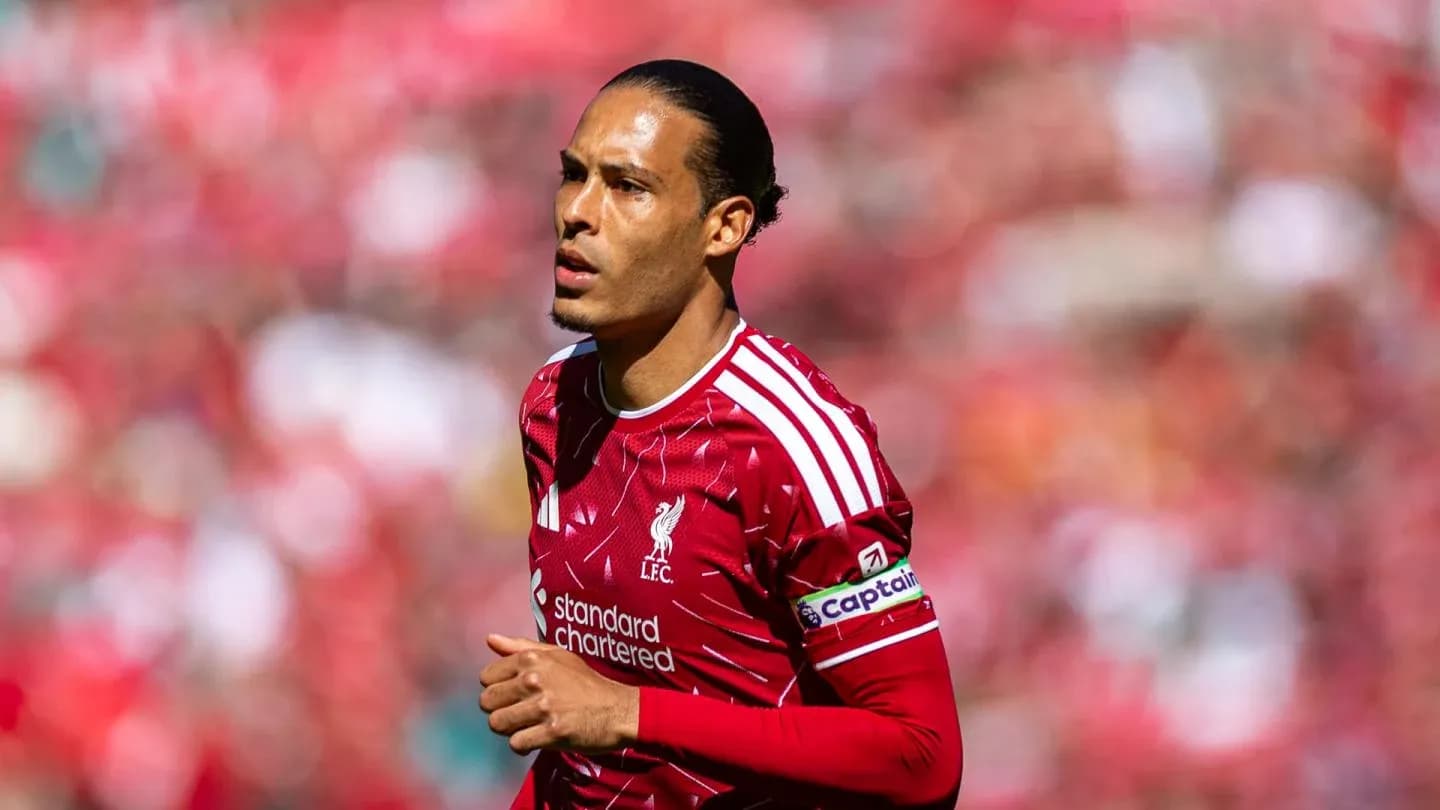
Virgil van Dijk has spent years making the extraordinary look routine. In 2025-26, he did it again.
At 34, Liverpool’s captain was the only outfield player in the Premier League to play every single minute of his team’s campaign. Not a second missed. Not a step spared. In an era of rotation, sports science and “managed minutes”, Van Dijk simply refused to come off the pitch.
This came in his eighth full season at Anfield, his third wearing the armband, with a body of work that already reads like a modern club legend: 374 appearances, two league titles, and a presence that has redefined Liverpool’s back line.
He turns 35 in July and is about to lead the Netherlands into a World Cup. The schedule is unforgiving, yet his standard barely flickers.
Asked how he keeps going, Van Dijk’s answer in Liverpool’s official eMagazine, WALK ON, is stripped of glamour and mystery. It comes down to three words, repeated: discipline, discipline and discipline.
For him, availability is not a bonus. It is a duty.
He speaks about feeling a responsibility to be there every time, to perform every time. That mindset explains why last season’s near miss – when he was benched for the final-day clash with Brighton in 2024-25 – still sticks with him. It broke his streak. He remembers it.
The work that sustains him happens away from the cameras. Recovery, nutrition, lifestyle, physical therapy. Yoga. Small habits, repeated relentlessly, forming the base that allows him to hit the same level, game after game, year after year. The specifics stay private, but the results are in plain sight.
There was one campaign at Liverpool when injury ripped the game away from him. The knee problem that once threatened to alter his career instead became a turning point. Remarkably, he points out that the season after that setback he played more matches than in any other year before this one. The response to adversity was not to manage decline; it was to raise his output.
He finds that statistic “quite interesting”. Others might call it something stronger.
For Van Dijk, though, the essence remains simple: the best thing in football is playing matches. He structures his life around that single obsession and has no intention of easing off while he can still operate at the highest level.
There is another layer now. Time has moved on. The dressing room has changed. Van Dijk looks around and sees he is the oldest player in the team. That status, he insists, does not alter his approach, but it does sharpen his sense of example.
He wants younger teammates to watch him closely – how he trains, how he prepares, how he lives – and understand what it takes to sustain this kind of consistency. He can open the door; they have to walk through it.
When he arrived at Anfield eight-and-a-half years ago, he did not take long to be trusted. Within six months he was named third captain. That early responsibility shaped him, hardened his leadership, and embedded him in the core of a group that would go on to lift major honours.
“It has been a privilege,” he says. The numbers, the minutes, the medals all back that up.
Now comes another summer on the biggest stage with the Netherlands, then a return to Liverpool and another charge at trophies. The miles on the clock keep rising. So does the standard he sets.